
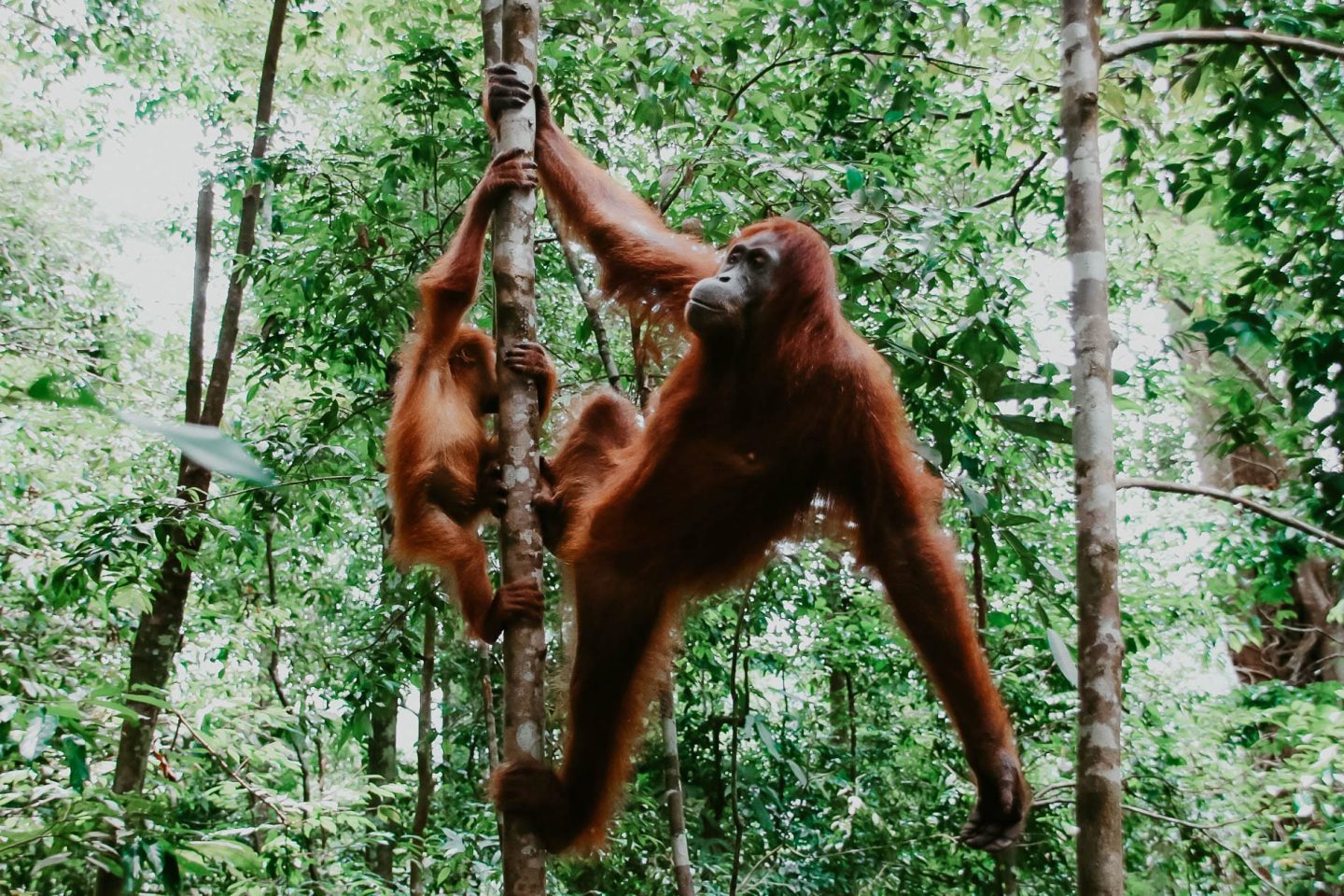
Have you always dreamed of seeing orangutans in the wild? Let us take you to Indonesia, on the island of Sumatra, for an unforgettable jungle adventure in Bukit Lawang, one of the last sanctuaries for wild orangutans on Earth.
TABLE OF CONTENTS :
| Where Can You See Orangutans in the Wild?
Orangutans, often called the “men of the forest”, can only be found in two places on the planet:
-
At the Sepilok Orangutan Rehabilitation Centre, located in Malaysian Borneo, a protected sanctuary where rescued orangutans are rehabilitated.
-
Or, like we did, deep in the Sumatran jungle at Bukit Lawang, in the heart of Gunung Leuser National Park, a UNESCO Biosphere Reserve.
| Why Visit Bukit Lawang to See Wild Orangutans?
Bukit Lawang is one of the best places in the world to observe wild orangutans in their natural habitat. This peaceful village, nestled at the edge of the tropical rainforest, is the perfect base to:
-
Go on a responsible jungle trek with a certified local guide
-
Sleep overnight in the jungle, surrounded by nature
-
Discover the region’s rich biodiversity
-
Support eco-tourism and sustainable travel in Indonesia
Unlike Sepilok, where orangutans are semi-wild, in Bukit Lawang the apes live completely free, in a protected and rehabilitated forest ecosystem.
| Bukit Lawang: Gateway to the Sumatra Jungle
Located about 4 hours from Medan, Bukit Lawang sits on the edge of Gunung Leuser National Park and offers the perfect setting for a 2-day / 1-night jungle trek to see orangutans in the wild. We recommend sharing a taxi (approx. 250,000 IDR per person) to keep transportation costs low.
The national park is a true natural gem, home to orangutans, Sumatran tigers, elephants, and thousands of endemic plant and animal species. Around 5,000 to 6,000 wild orangutans live here, scattered over nearly a million hectares of tropical rainforest.
→ ⚠️ Just like any wildlife safari, sightings are never guaranteed, but Mother Nature was kind to us. We had the privilege to live this once-in-a-lifetime experience!
| Preparing Your Jungle Trek in Bukit Lawang
Where to Stay in Bukit Lawang?
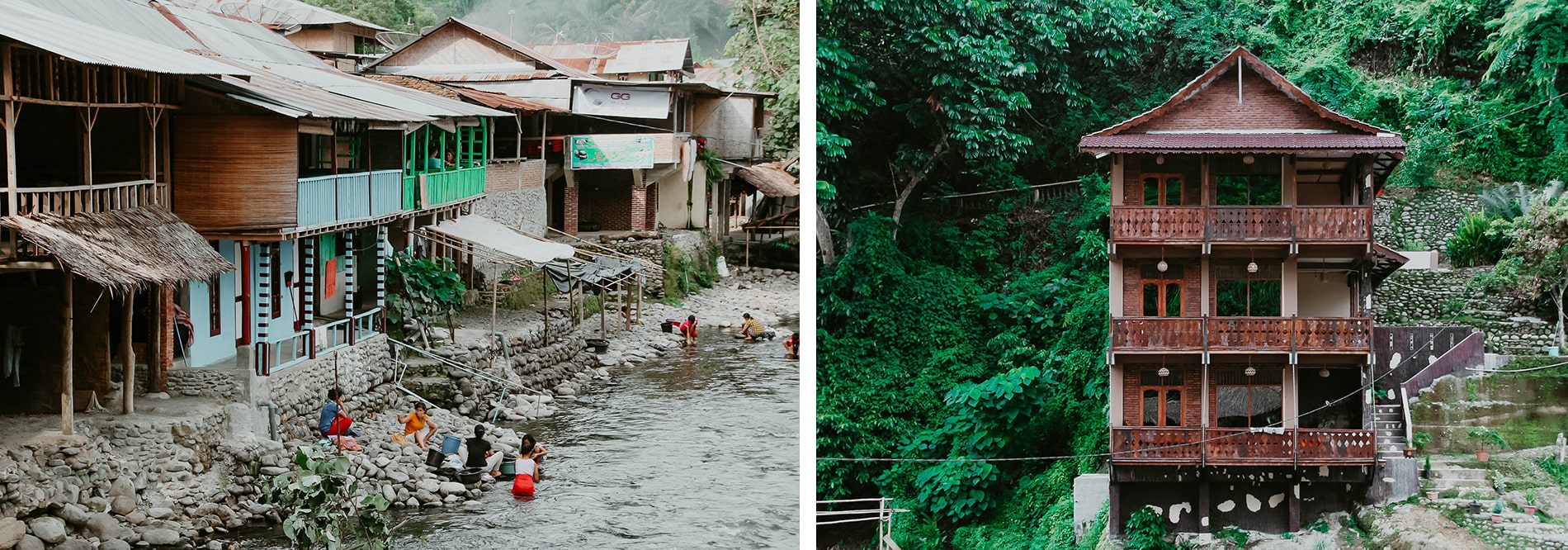
We stayed at Junia Guest House, a peaceful riverside spot surrounded by lush greenery.
→ Many guesthouses line the riverbank, booking in advance isn’t always necessary unless you’re eyeing a popular place like Garden Inn, which tends to fill up quickly.
Our room was simple and spacious with a balcony overlooking the river. As is common in Bukit Lawang, the bathroom had cold showers. The vibe was warm and welcoming, with a laid-back, youthful atmosphere. Their rustic wooden restaurant serves fresh juices and delicious local Indonesian dishes. Evenings were magical, with live guitar music by the river, an absolute favorite we highly recommend!
Other Recommended Accommodations:
-
Sam’s Bungalow: Riverside rooms with stunning views
-
Ecolodge Bukit Lawang: A more upscale option committed to environmental conservation
→ Travel tip: Book your accommodation in advance during high season (July–August) to avoid disappointment.
| Day 1 – The Start of Our Jungle Adventure in Sumatra
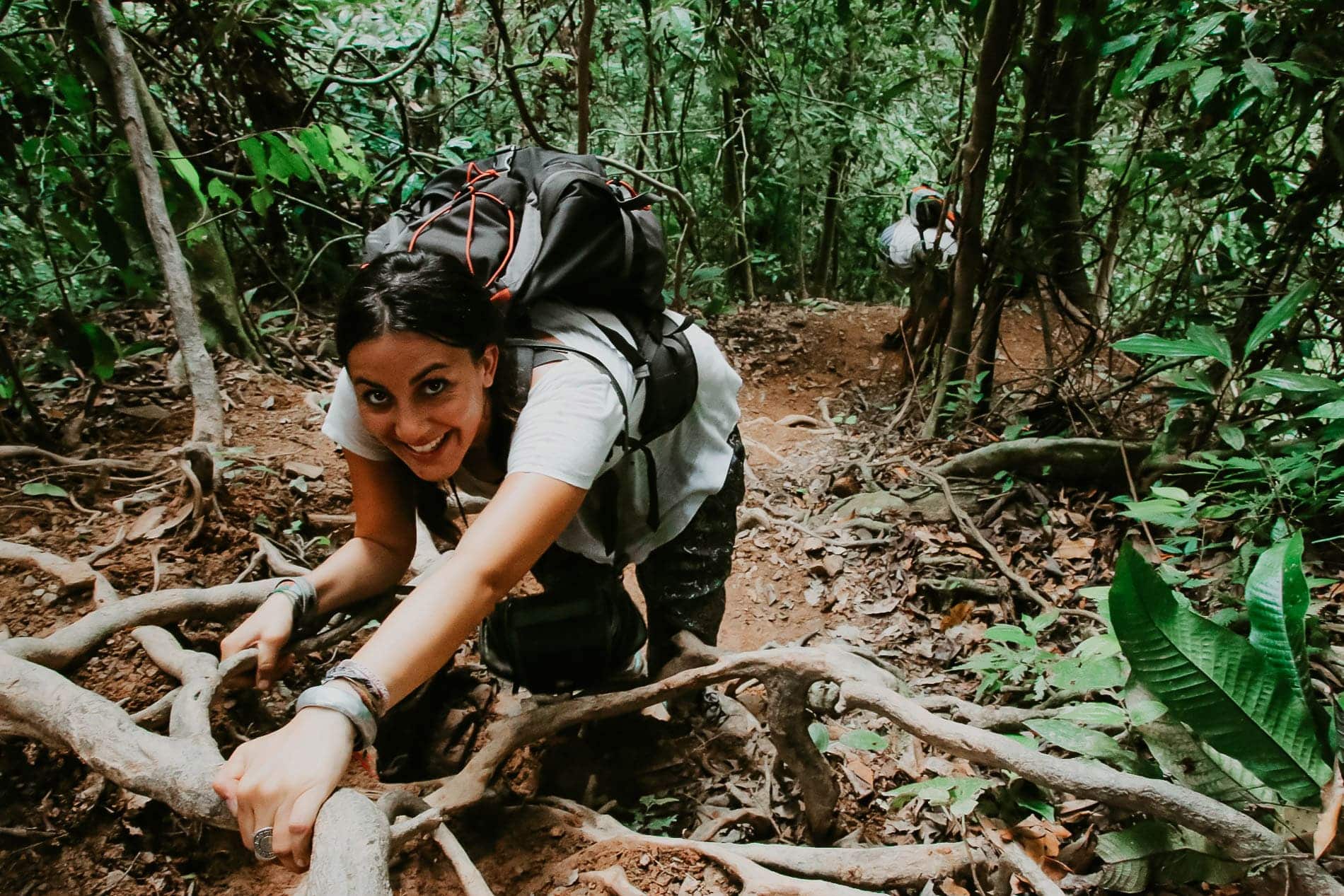
Accompanied by our local guide Sopian, we set off on a 6 to 8-hour jungle trek through the lush and humid rainforest of Sumatra.
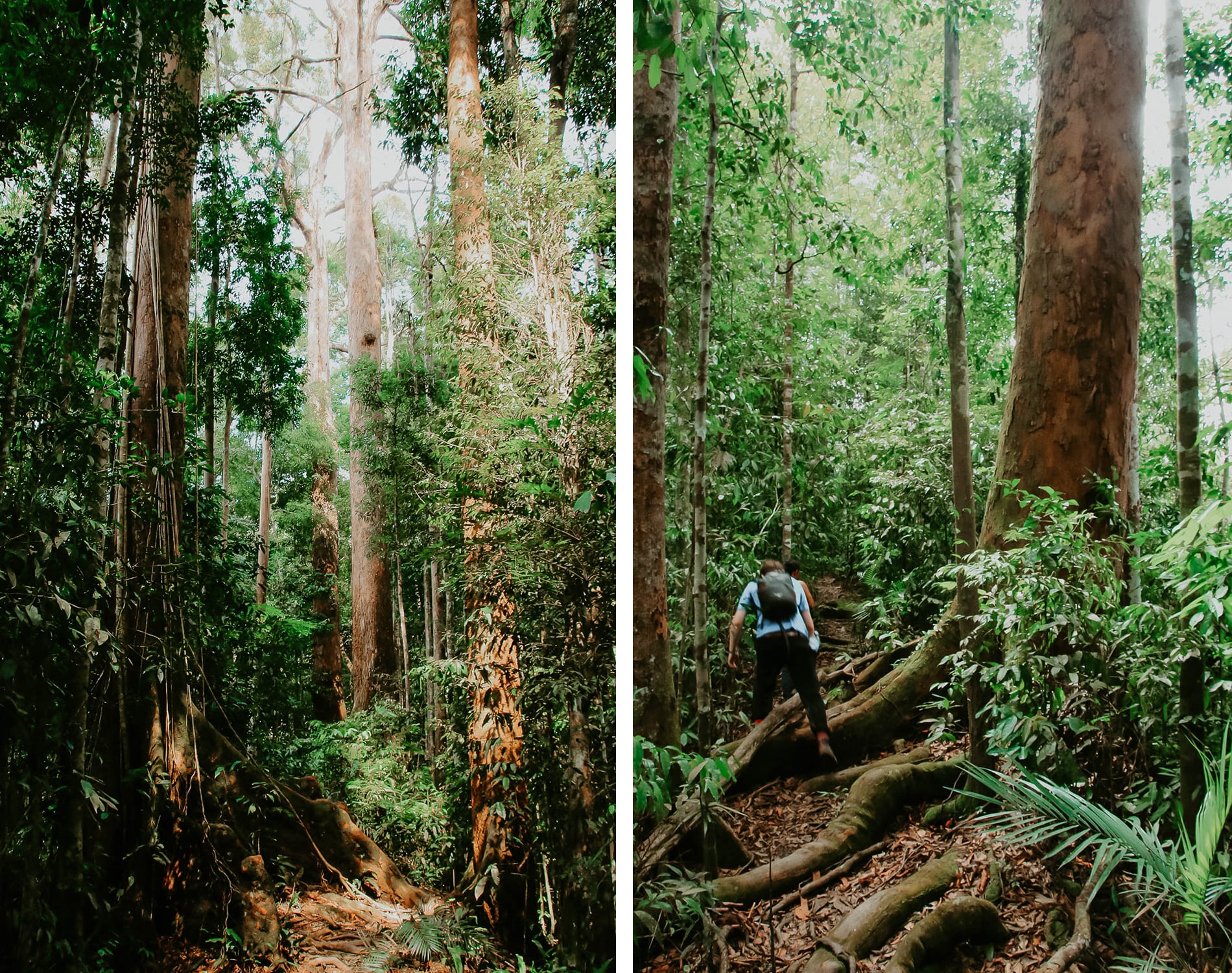
→ What to expect: The trek is challenging but doable. Steep climbs, slippery descents (especially after rain), tangled vines, and dense vegetation make this a true jungle experience. But trust us, every step is worth it!
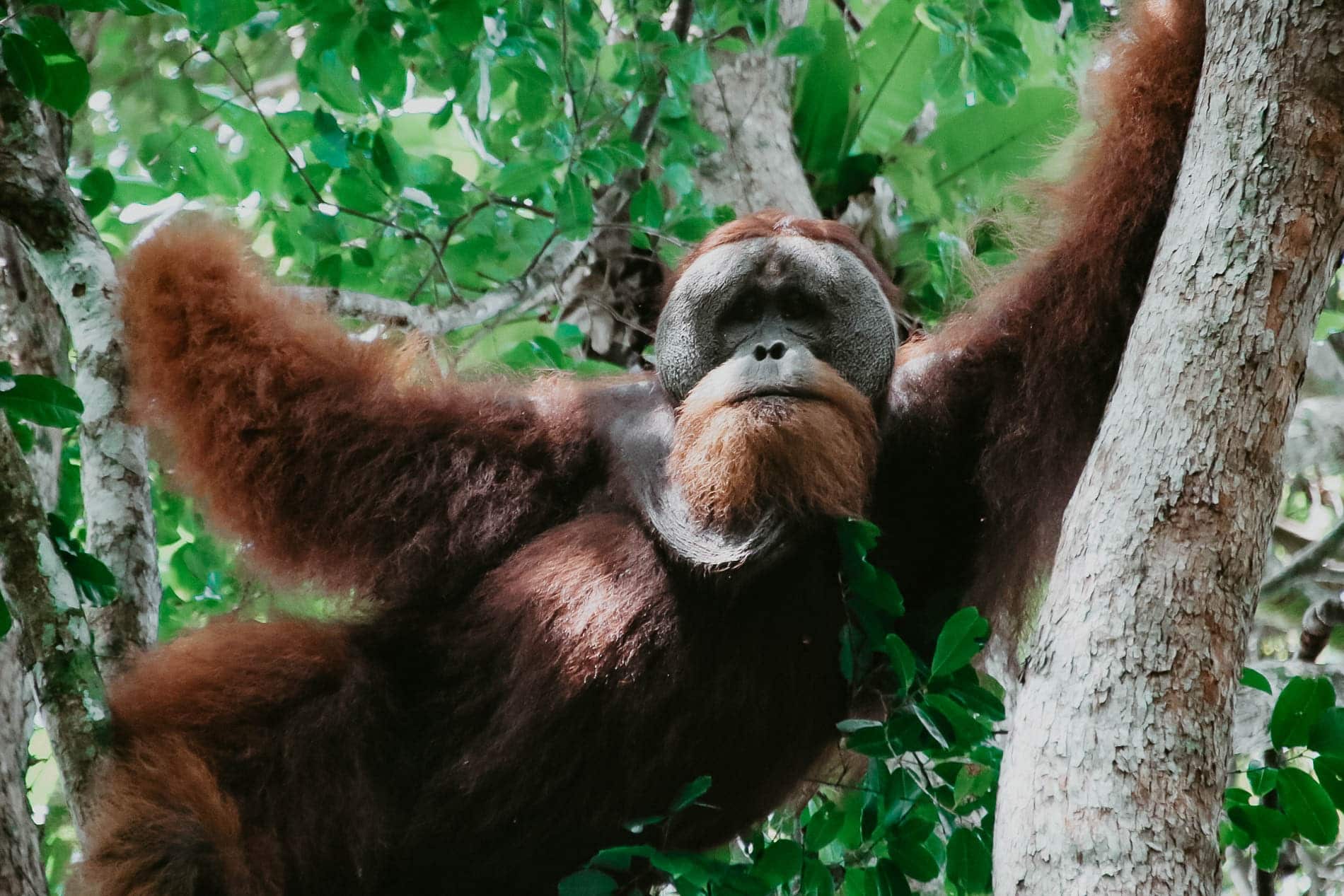
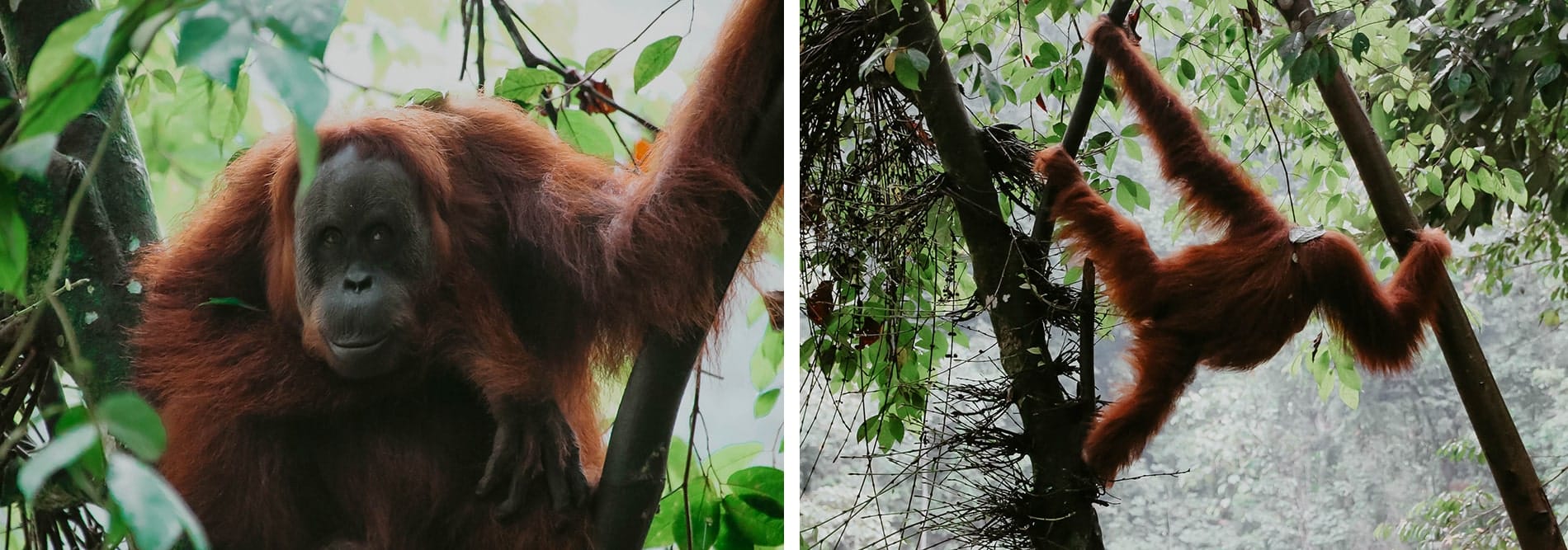
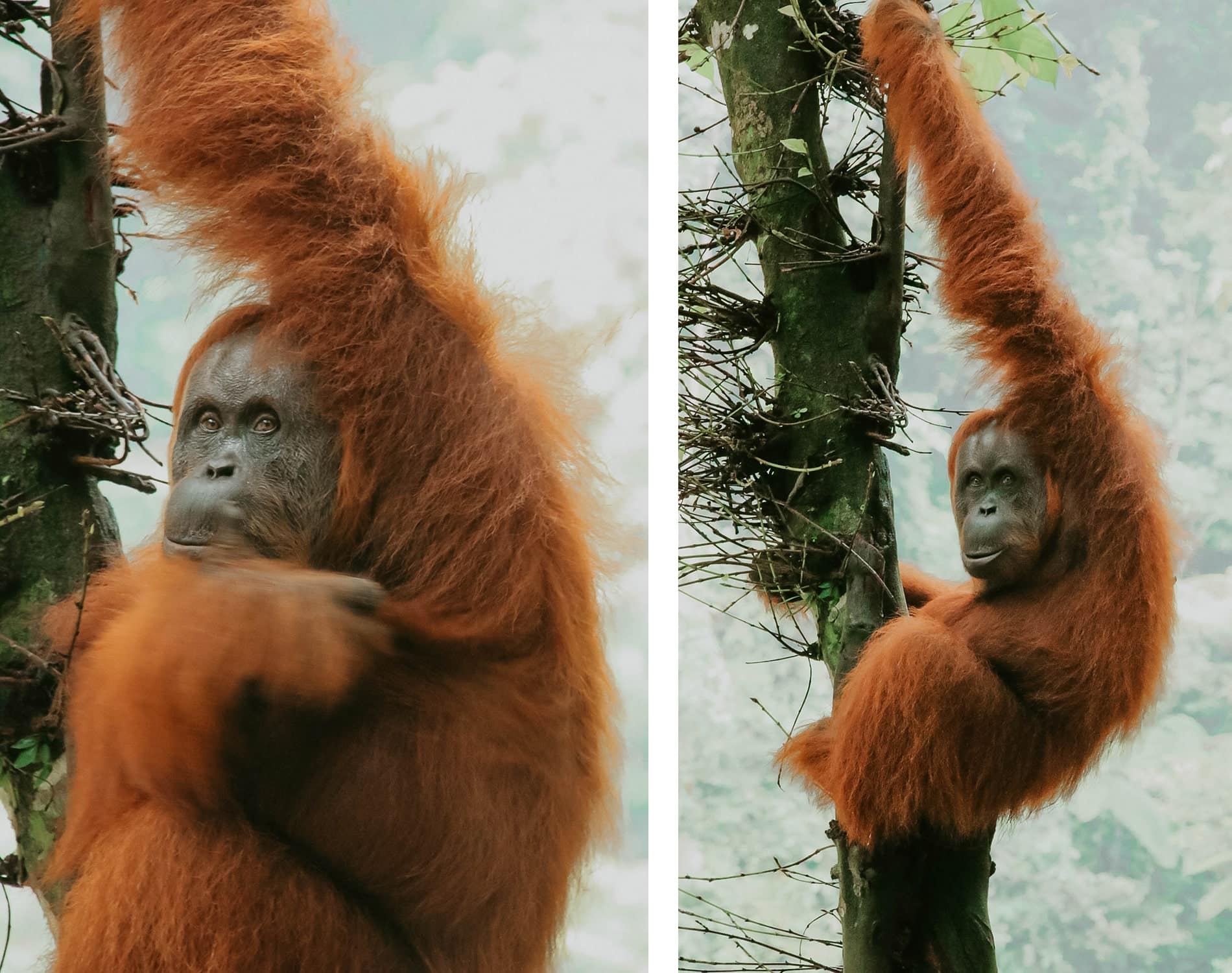
Just minutes after entering Gunung Leuser National Park, we spotted our first wild orangutan. A magnificent male, weighing nearly 100 kg, hung just a few meters above us. Suspended effortlessly from a branch, he was majestic, imposing almost human.
Remember, you’re on their territory. These orangutans are semi-wild, and some are fully wild, born and raised in the forest rather than in rehabilitation centers. We kept our distance, feeling a mix of curiosity, awe, and a little fear. That fear turned into adrenaline when our guide suddenly told us to run, the male had decided to come down from the tree and get a closer look at us!
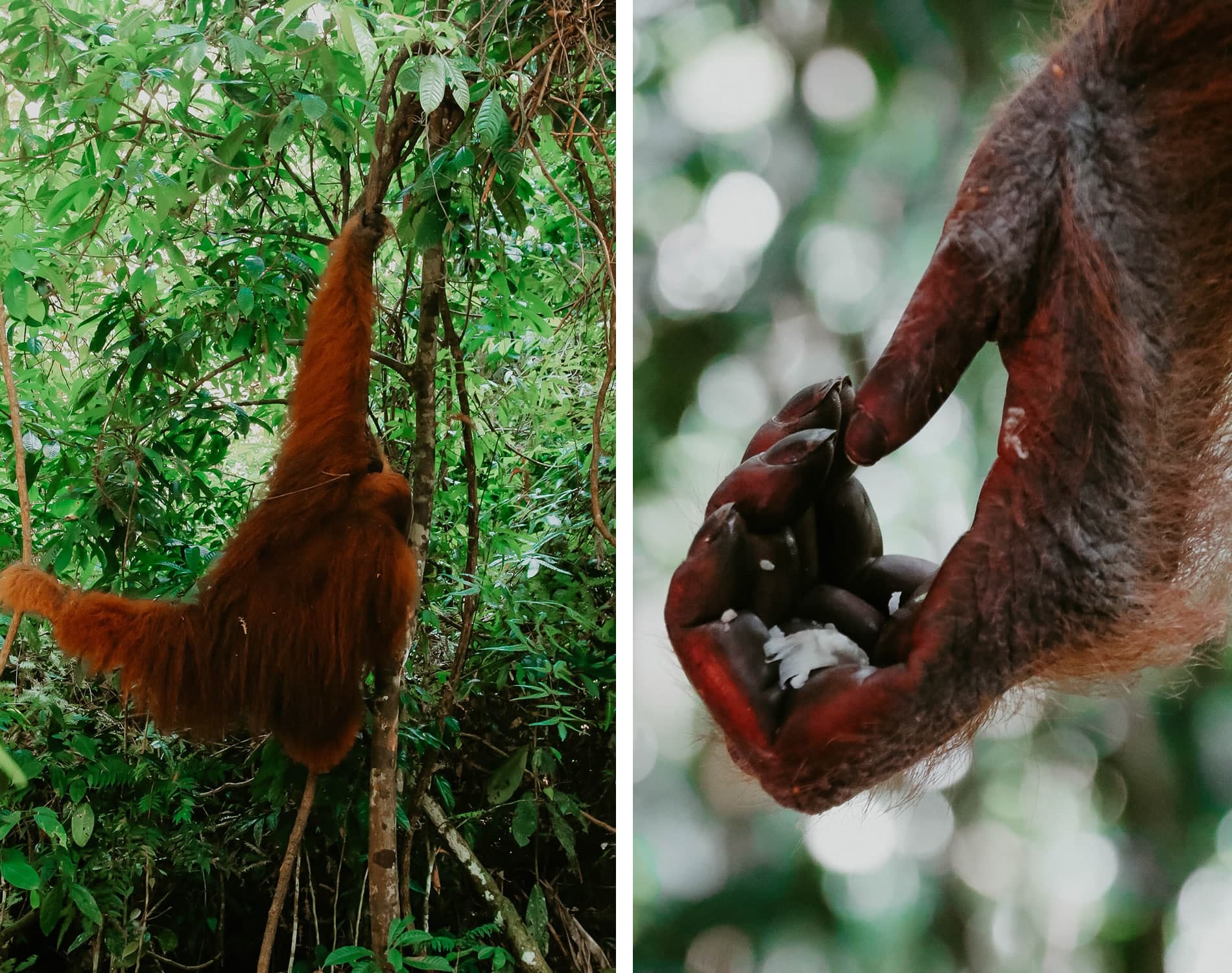
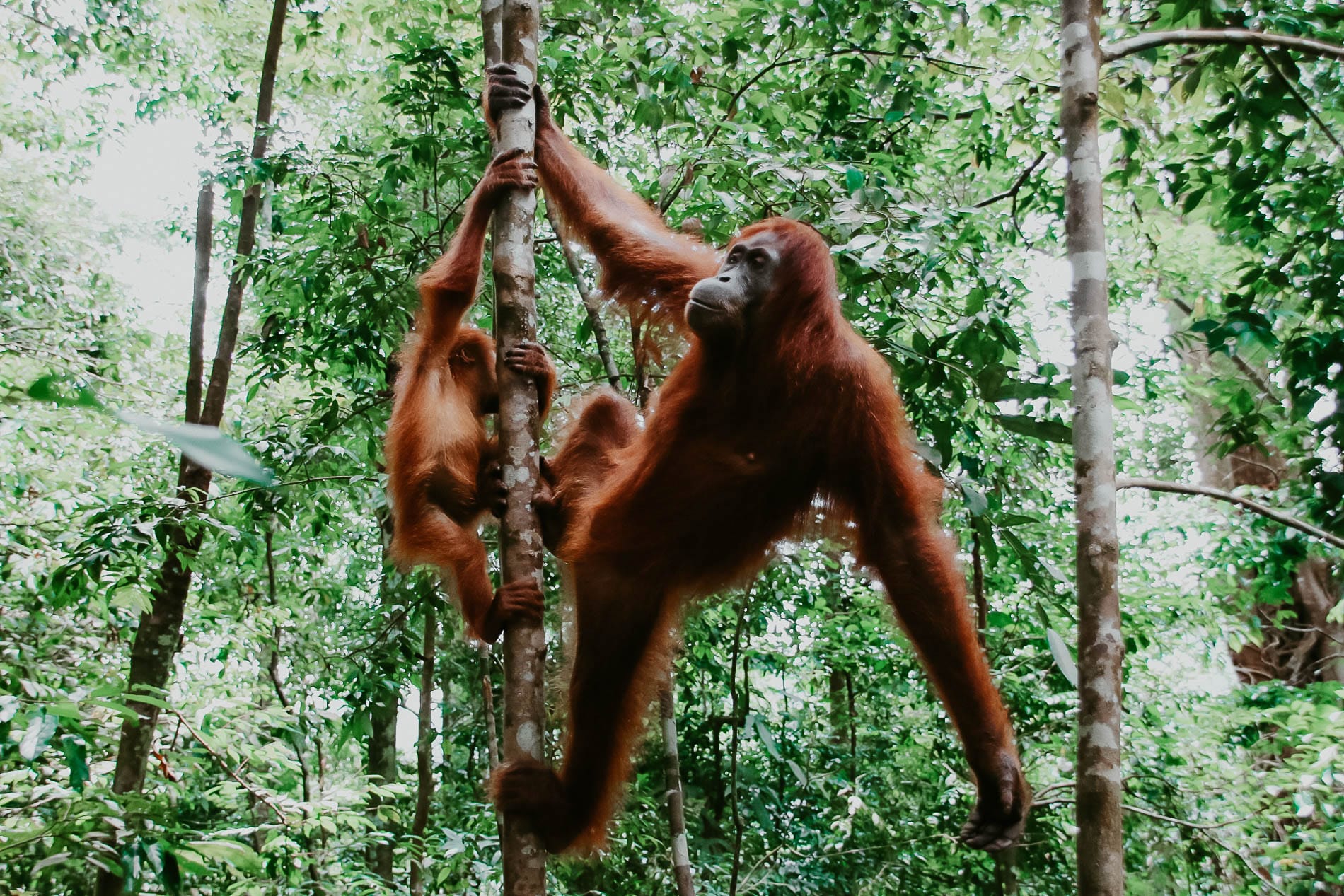
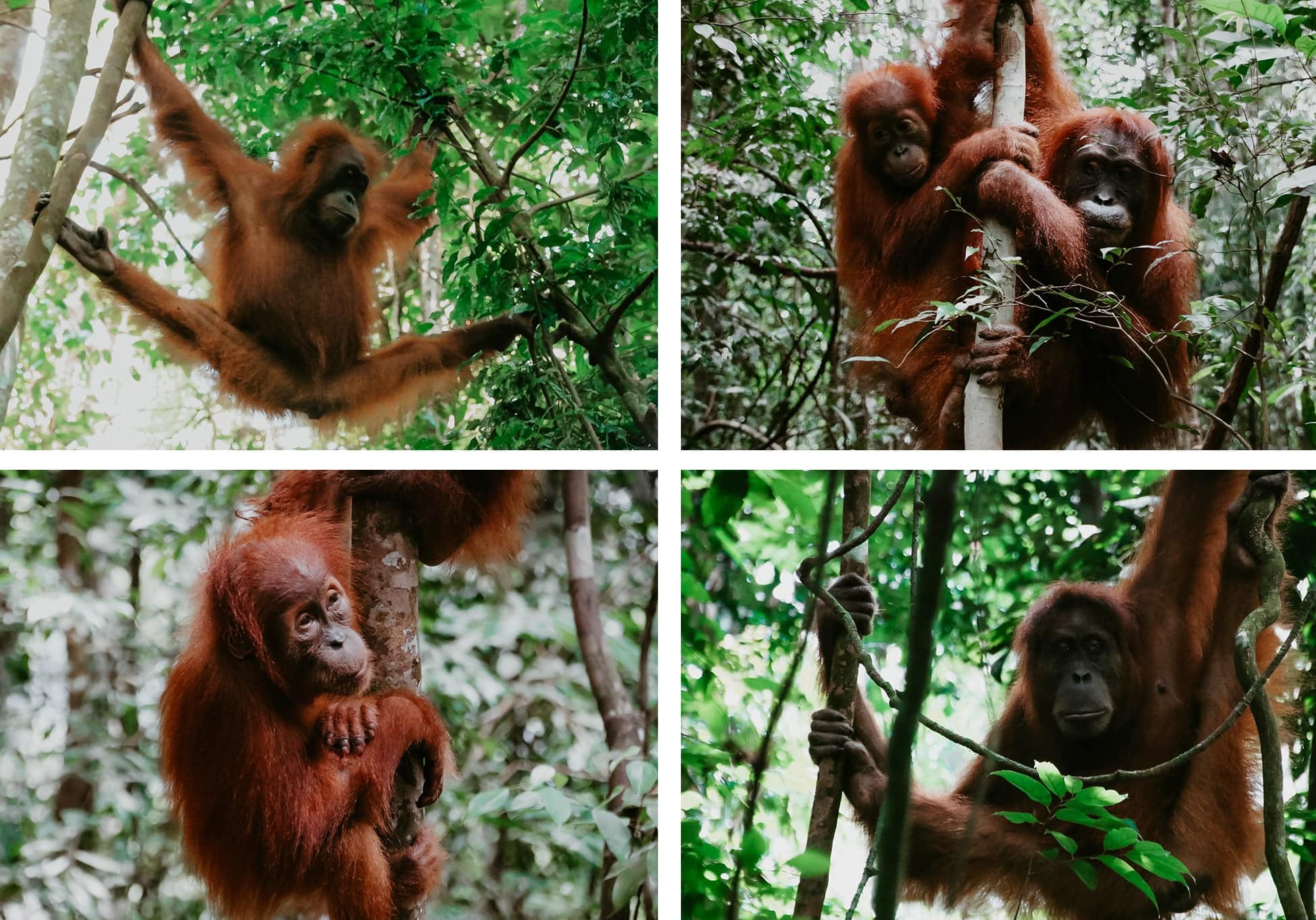
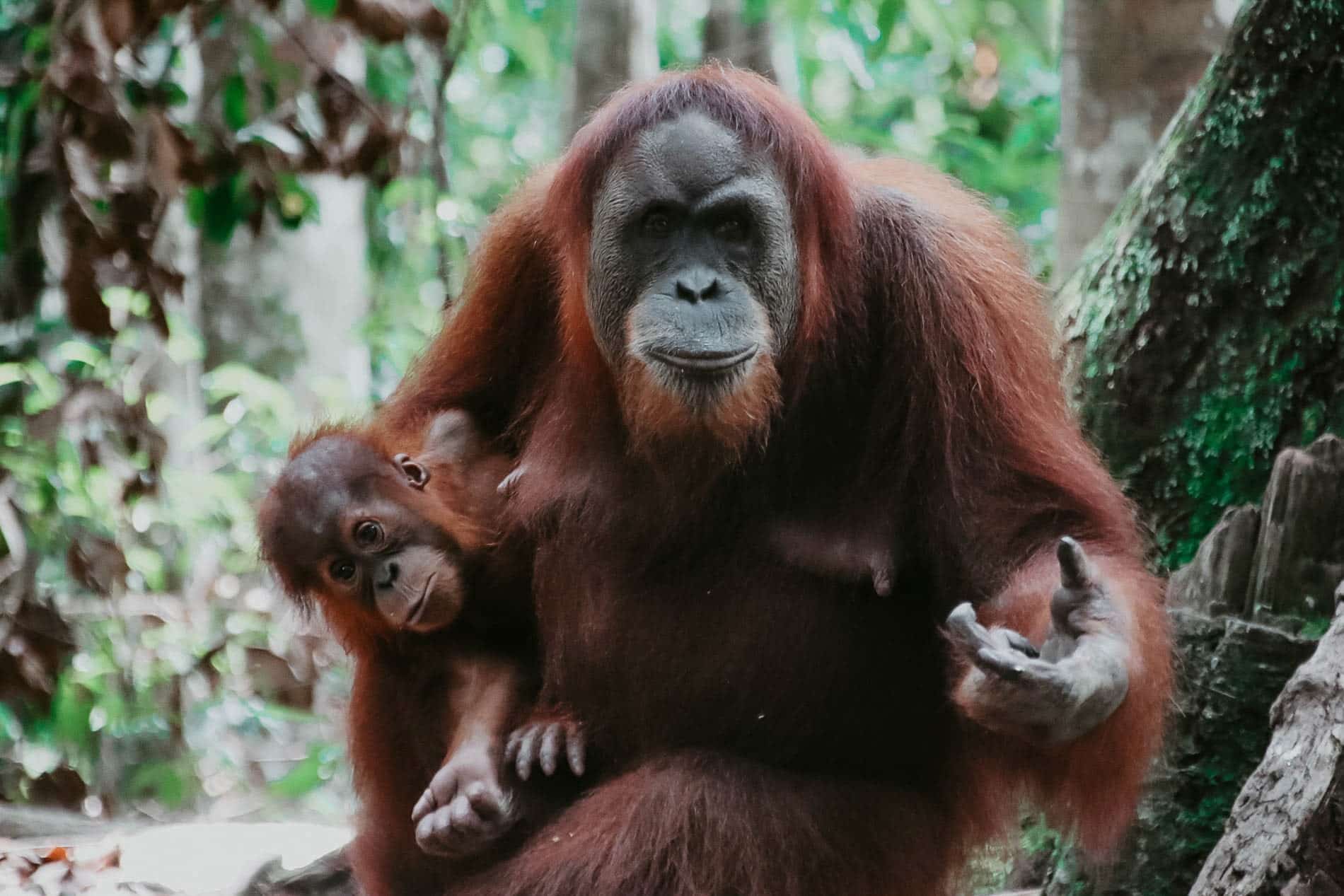
Soon after, more orangutans appeared, this time curious and playful females with their babies. They came closer and closer, intrigued by our presence. It was a moment we’ll never forget. We didn’t know where to look, they were everywhere! So we paused, took a breath, and simply enjoyed the show unfolding before our eyes.
The agility of these primates was absolutely breathtaking. The orangutans swung effortlessly from tree to tree, grabbing with hands or even their feet, stretching into full splits, slowly approaching us while gazing straight into our eyes.
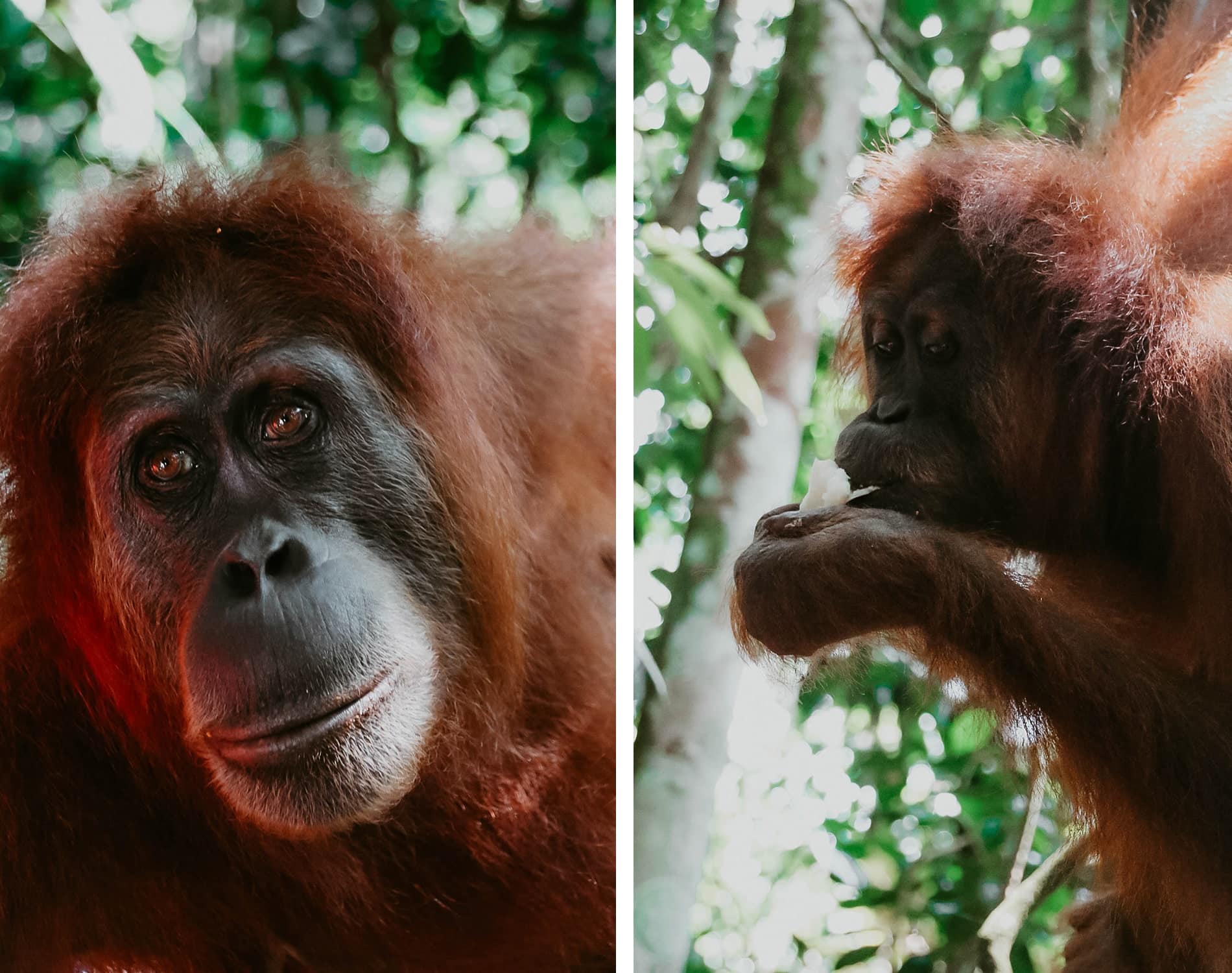
In Indonesian, orangutan literally means “man of the forest” and when you look into their eyes, you understand why. Their gestures, expressions, and behavior are deeply human. Did you know we share 96.7% of our DNA with them? The connection is undeniable.
An Unexpected Jungle Lunch Guest…
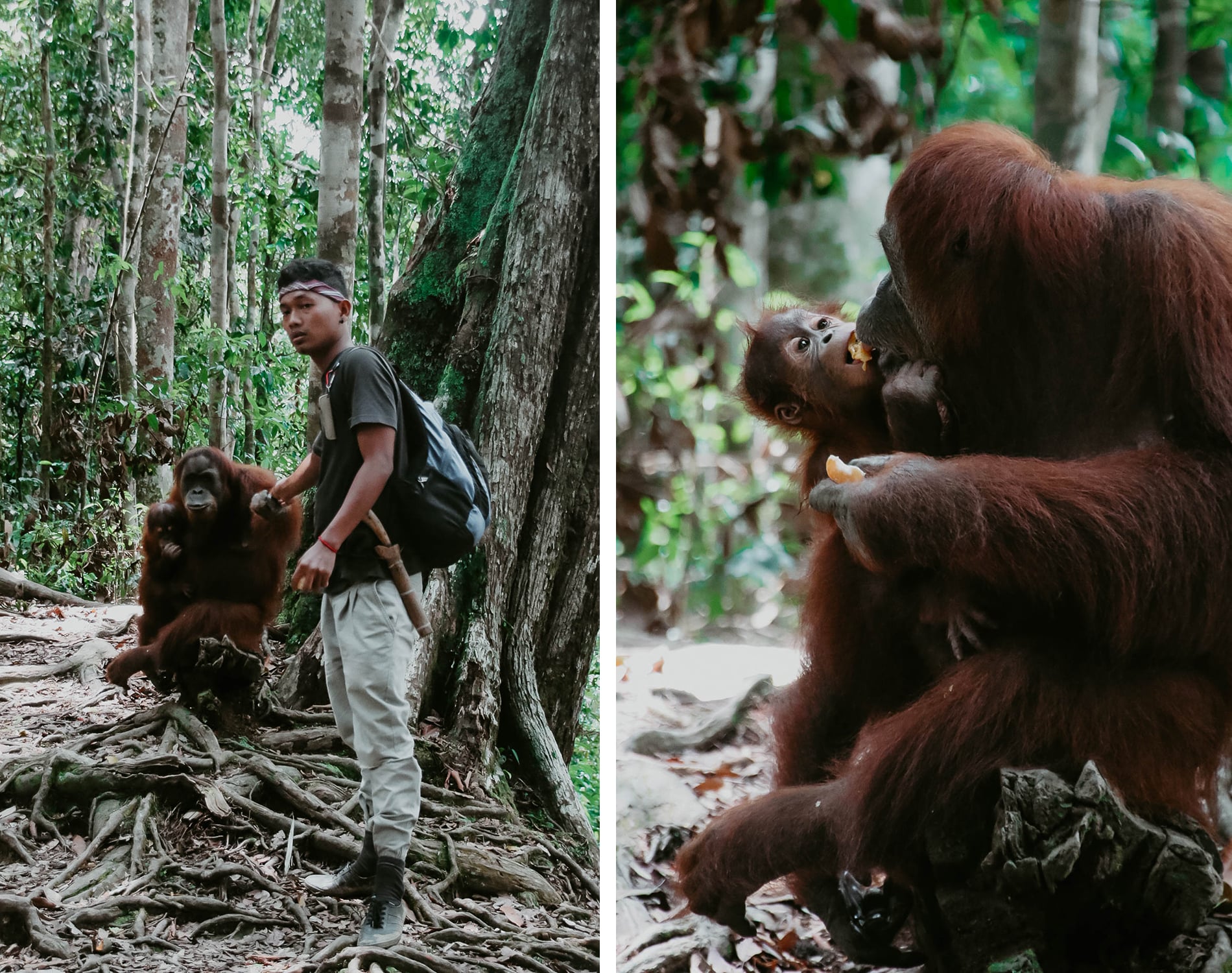
Everything was magical… until two hungry female orangutans tried to steal our lunch! A real jungle thrill! Special mention goes to Mina, a notorious female known for her bad temper and yes, she’ll bite if you don’t give her food.
Don’t worry, though,our guides were alert and experienced (even if we did get “mugged” by an orangutan!).
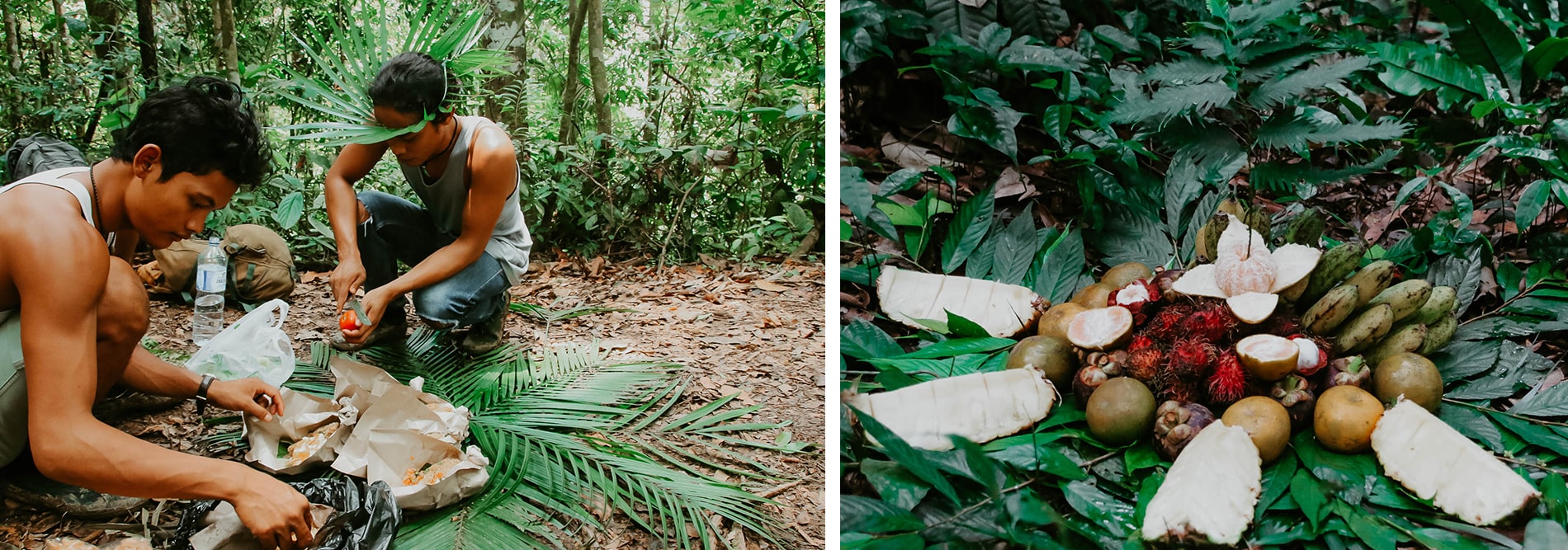
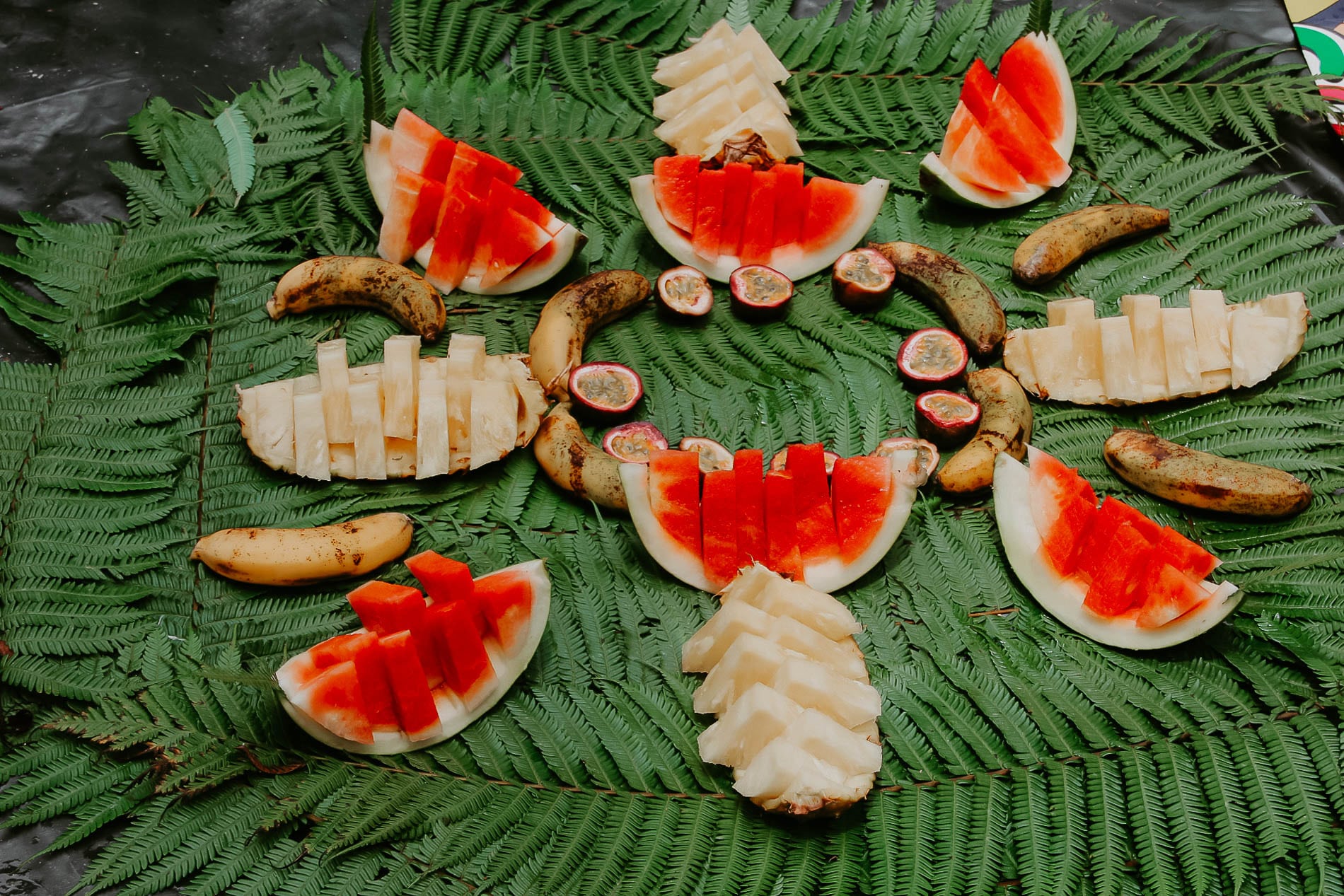
Moved by what we had just witnessed, we continued our trek and stopped for a well-deserved picnic lunch on the forest floor, not far from a massive, centuries-old tree. The guides pampered us with a delicious, locally prepared meal: traditional Nasi Goreng, wrapped in banana leaf and served with an assortment of fresh tropical fruits.
But just as we were about to relax, our cheeky lunch crashers returned! Two determined female orangutans came back not once, but twice to try and steal our food. What an emotional rollercoaster!
I don’t know about you, but for us, it was a first being chased by hungry primates in the middle of the jungle. A surreal, hilarious, and unforgettable moment!
Jungle Camp: A Night in the Heart of Sumatra
After crossing paths with the infamous Mina, the aggressive female orangutan known for biting if she doesn’t get food, we finally reached our base camp around 5 p.m., exhausted from our first full day of trekking.
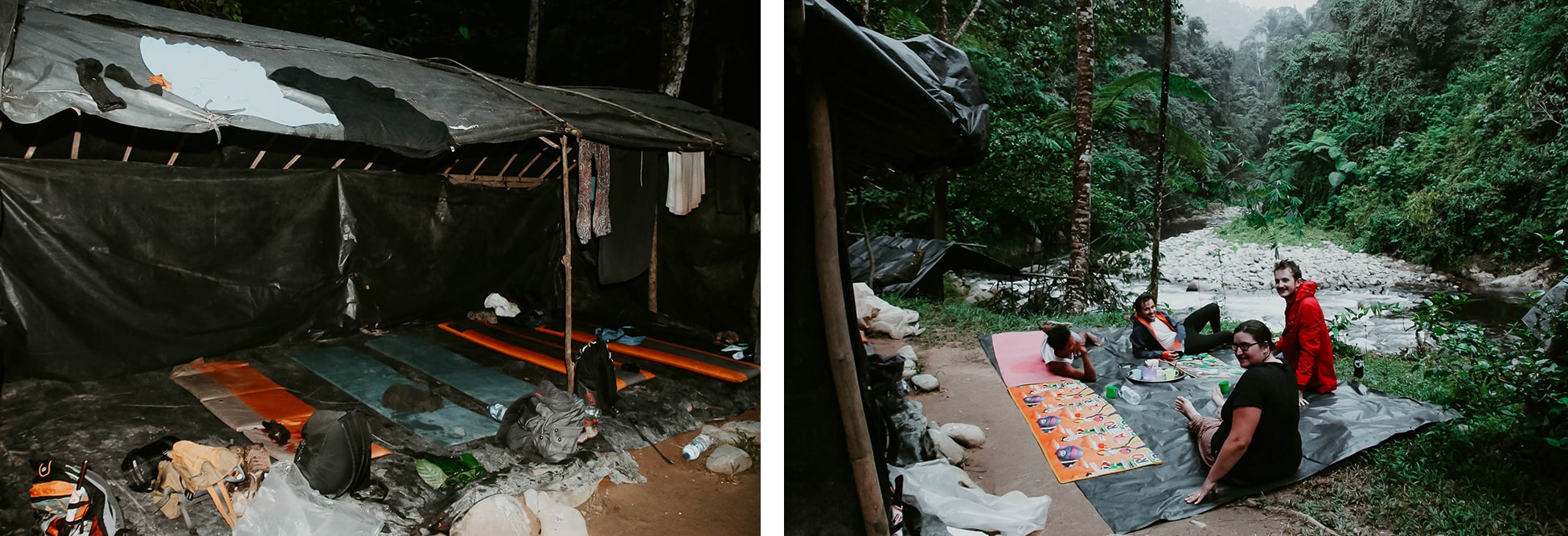
We headed straight to the river for a refreshing dip before dinner. In the jungle, night falls quickly, so we ate early and settled into our shelter for the night: a raised wooden jungle camp, simple but comfortable, designed to accommodate around ten people.
The structure was protected by large tarps to shield us from rain and wind, and provided thin mattresses, sheets, and blankets to keep us warm and off the ground. It was a basic but magical experience, gently rocked to sleep by the soothing sounds of the rainforest around us.
Here, you’re completely unplugged and in perfect harmony with nature. Dinner was delicious and hearty: coconut chicken, grilled soy, sautéed vegetables… a feast prepared with love. And the next morning, breakfast was just what we needed to recharge before continuing the adventure.
| Day 2: A Wild Wake-Up and a Unique Rafting Return
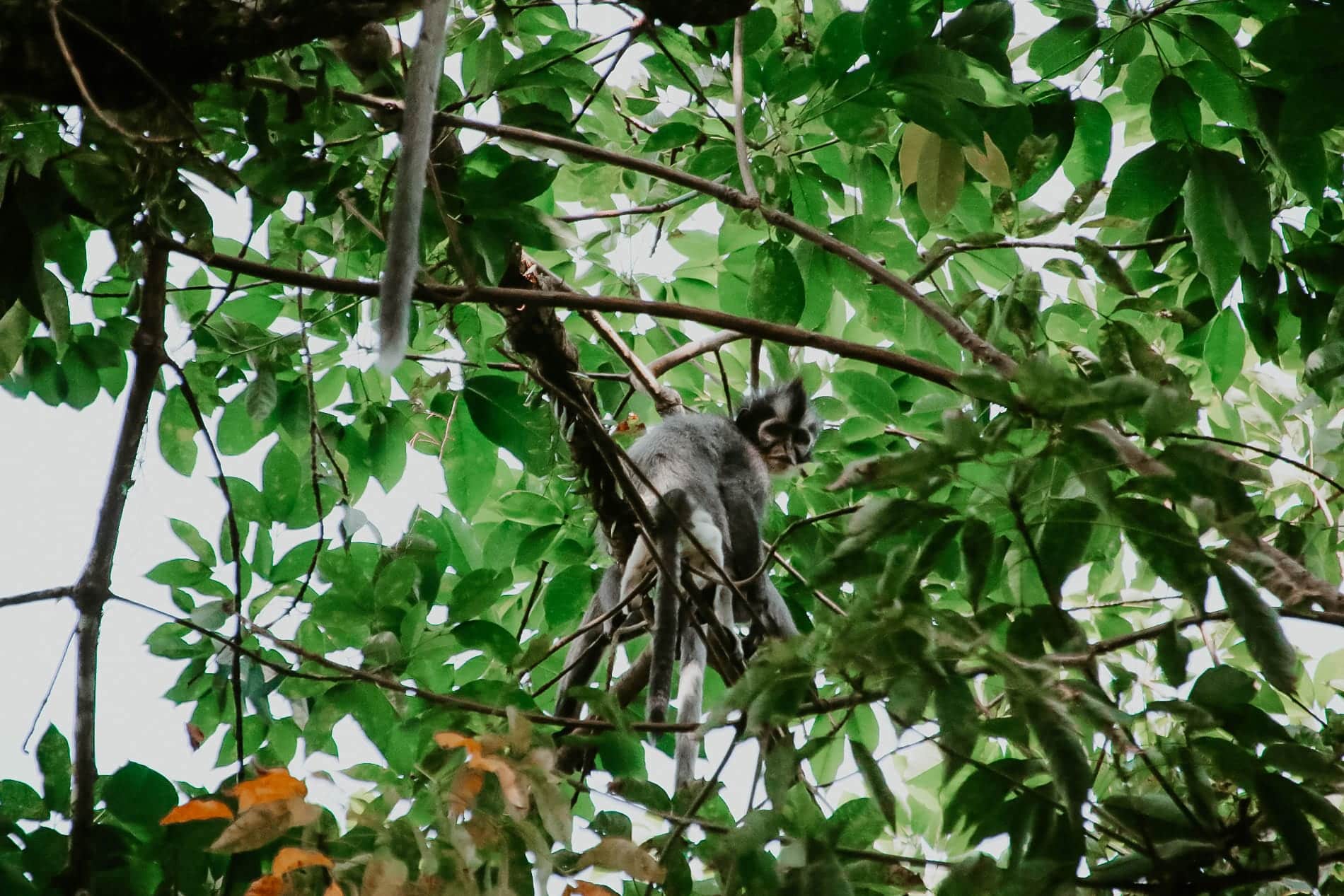
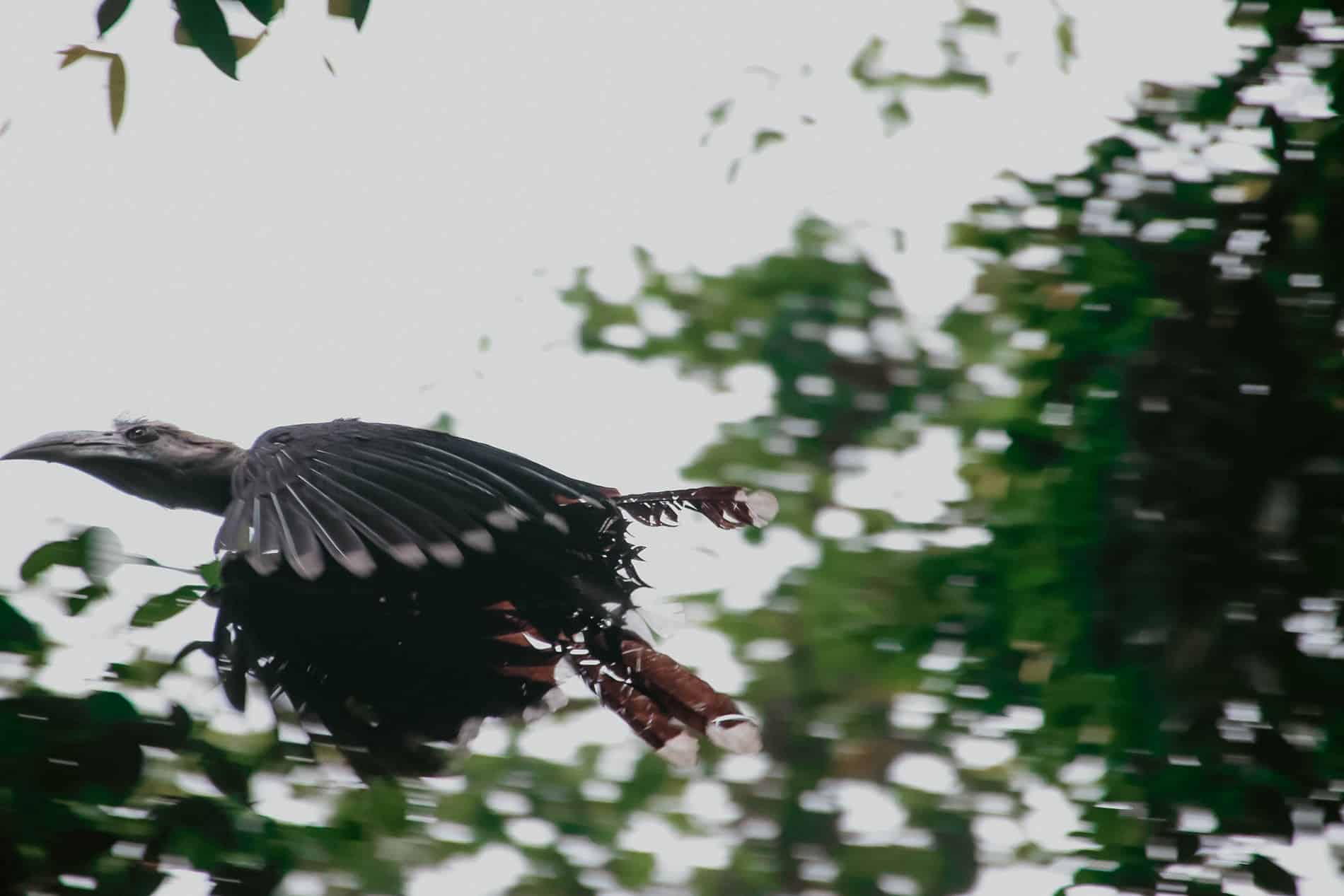
This morning, we woke up to the gentle sound of rain, surrounded by the serene ambiance of the jungle. As if scripted, Suma, a semi-wild female orangutan, made a surprise appearance with her baby right near our camp. A few minutes later, we spotted colorful toucans flying overhead, followed by a group of cheeky macaques trying to steal food. What a privileged way to start day two in the heart of the Sumatran rainforest!
Back to the Village? On Foot… or by River!
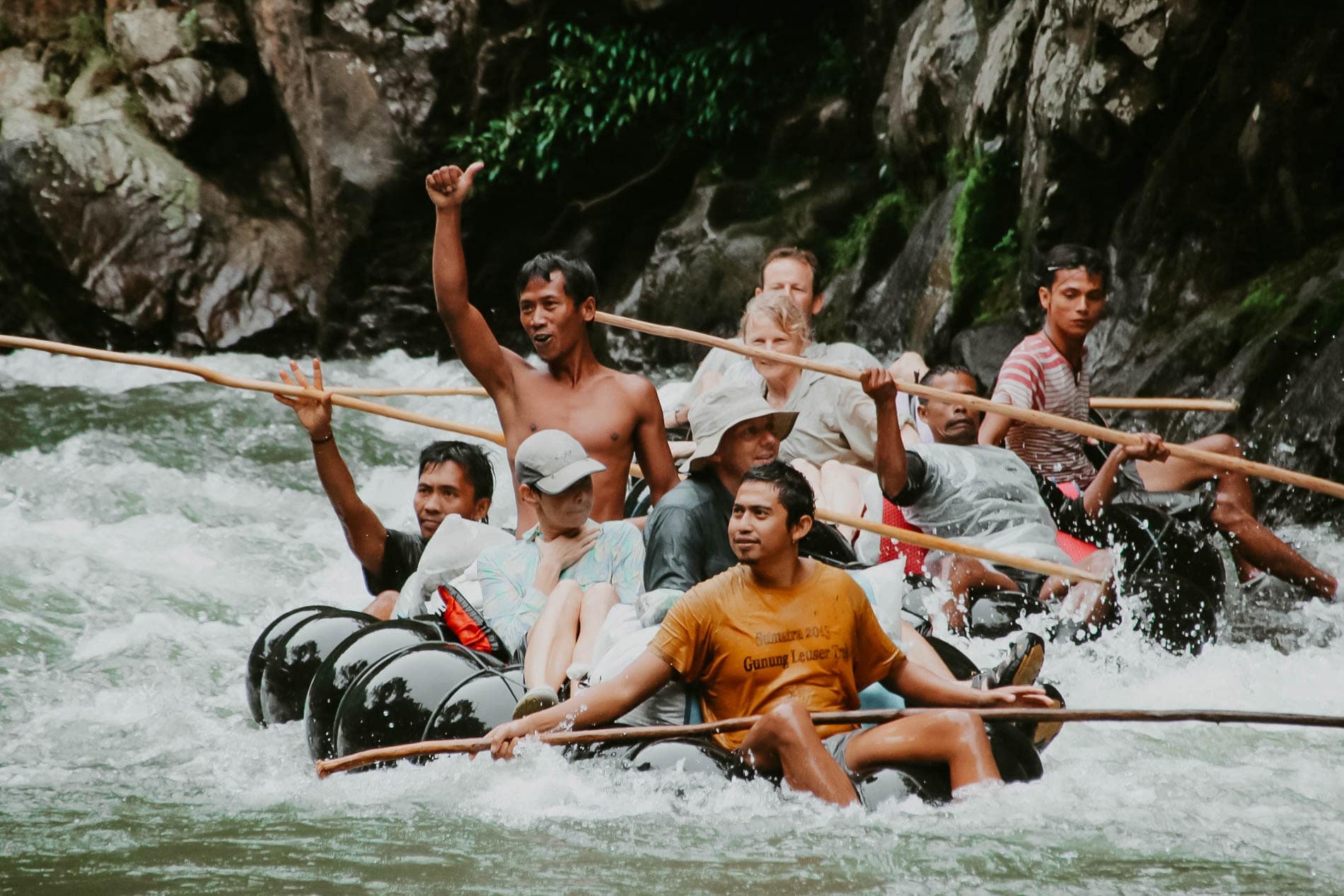
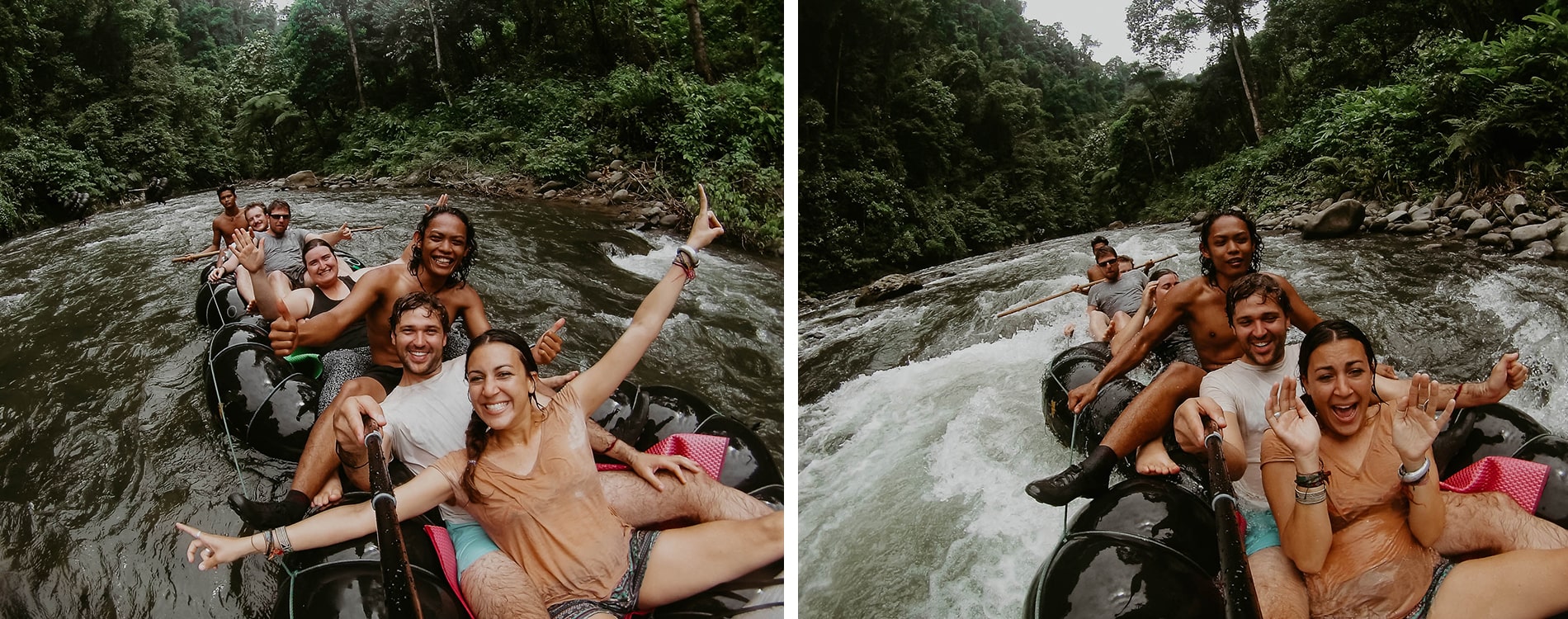
To return to Bukit Lawang, you can either hike back through the jungle or choose the fun and refreshing rafting option. We went for the second one: floating down the river on giant inner tubes tied together, with our bags safely wrapped in plastic.
For just €10 extra, this option was not only scenic but hilariously fun! It’s the perfect ending to a jungle trek, original, adventurous, and guaranteed to make you laugh as you bounce and splash your way back to the village.
| Protecting the Orangutans: A Responsibility for the Future
Orangutans are critically endangered, primarily due to massive deforestation caused by palm oil plantations. Their natural habitat is disappearing day by day, leaving them with no food and little chance of survival.
In Bukit Lawang, the rehabilitation center works tirelessly to reintroduce rescued orangutans into the wild, helping them become independent and readapt to forest life. Some of them still return occasionally to feeding platforms when they struggle to find food on their own but this is becoming rarer, which is a positive sign of successful reintegration.
This is why visiting ethical sanctuaries and primate rescue centers is so important, your support helps protect the species and preserve their fragile habitat.
In Borneo (Malaysian side), the Sepilok Orangutan Sanctuary is another world-renowned center. It is the largest orangutan rehabilitation center in the world, welcoming rescued apes and working to release them back into the wild or into protected reserves whenever possible. You can donate or volunteer via Sabah Tourism to support their vital mission.
| Practical Information & Travel Tips
→ Get in Touch with Our Local Guide
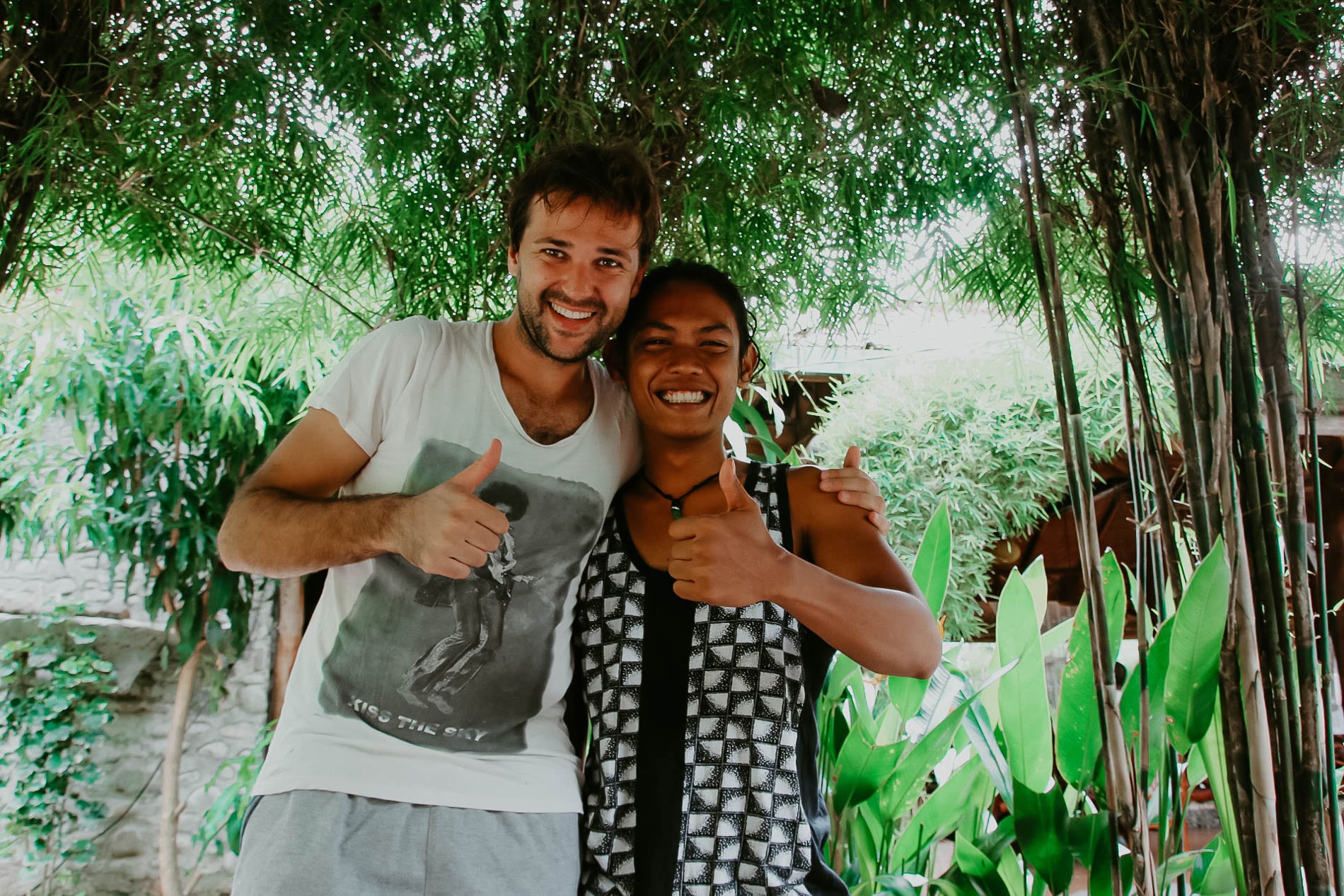
We highly recommend Sopian and his brother Jay — two passionate, knowledgeable, and respectful young guides who care deeply for wildlife and never feed the animals, unlike some others in the region. Their good humor and warm smiles will make your jungle trek even more unforgettable!
+62 823 6151 0993
sophian966@gmail.com
→ Trekking Price Tip: We don’t have the 2026 prices yet, but most treks are offered as all-inclusive 2-day packages, which usually cover the jungle trek, meals, overnight stay, and return rafting. Great value for a truly unique adventure!
| Where to Book Your Bukit Lawang Jungle Trek
Traveling to Bukit Lawang is more than just an adventure, it’s a conscious choice to support responsible eco-tourism. The local economy here relies heavily on jungle treks, and by choosing ethical guides like Sopian or Jay, you’re making a real difference.
By trekking with them, you:
-
Help preserve Sumatra’s tropical rainforests
-
Support on-the-ground conservation and awareness efforts
-
Take a stand against illegal deforestation
→ Ethical Tip: Never feed the primates, and avoid any guide who encourages it just to get the animals closer. (It might sound obvious, but sadly, we did see some travelers doing it!)
➡️ Short on time or not comfortable communicating in English? No worries, you can also check availability with other trusted providers and book the package that best suits your schedule, whether it’s for a one-day trek or a multi-day jungle expedition, by clicking the link below.
| Best Time to Visit Bukit Lawang
The best time to visit Bukit Lawang and see orangutans in the wild is from May to September, during the dry season. This period offers better weather conditions, with less rain, safer jungle trails, and more opportunities for wildlife sightings.
→ Note: From November to March, it’s the wet season. Trails can become slippery and more challenging, especially for long treks.
| What to Pack for a Jungle Trek in Sumatra
Wondering what to bring for your Bukit Lawang jungle adventure? Here’s our list of must-have trekking gear to ensure a safe and comfortable experience:
✔️ Non-slip hiking shoes
✔️ Waterproof bag or backpack with a rain cover
✔️ Lightweight, long-sleeved clothing
✔️ Natural mosquito repellent
✔️ Reusable water bottle
✔️ Headlamp or flashlight
✔️ Swimsuit (for river dips) + fast-drying microfiber towel
✔️ Compact first-aid kit (with bandages and disinfectant)
✔️ Biodegradable wet wipes (for a jungle fresh-up)
→ Traveler tip: Don’t forget a pair of dry socks for the evening, you’ll thank us later!
| Frequently Asked Questions About the Bukit Lawang Jungle Trek
-
Is there phone signal or Wi-Fi in the jungle?
Signal is limited once you’re deep in the jungle, but most guesthouses in Bukit Lawang offer basic Wi-Fi in common areas.
-
Do I need to be in good physical shape?
The trek is accessible but physically demanding at times. Expect 6 to 8 hours of hiking, with steep uphill climbs, slippery trails, and high humidity. A moderate fitness level is recommended.
-
Is this trek available year-round?
Yes, it’s possible to do the trek all year. However, during the rainy season (November to March), the trails become more challenging. The best time to visit is from May to September.
-
Do I need to take malaria medication?
We didn’t take any because we traveled outside the rainy season, when the risk is lower. However, this depends on your health profile and the timing of your trip. Always consult a travel health specialist before you go.
-
How many days should I plan for this experience?
We recommend spending at least 2 to 3 days in Bukit Lawang. That way, you can enjoy the jungle trek, spend a night in the forest, and take time to relax by the river.
-
Can you really see orangutans in Bukit Lawang?
Yes! With a knowledgeable local guide, you have a very good chance of spotting wild or semi-wild orangutans in their natural habitat. However, sightings are never guaranteed, this is real wildlife, and nature sets the rules.
-
Is the trek suitable for children?
It’s possible with kids, but the 2-day jungle trek is physically intense and not suitable for very young children. For families, we recommend a shorter walk of a few hours to spot orangutans closer to the park entrance.
Final Thoughts: Why You Should Experience Bukit Lawang
Meeting orangutans in the wild is a rare privilege, an intense, emotional, and unforgettable adventure. It’s also a meaningful way to support wildlife conservation and to travel ethically and responsibly.
A trip to Bukit Lawang offers much more than a trek, it’s a deeply human and nature-connected experience. From spotting orangutans in their natural habitat, to sleeping in the jungle and hiking through lush tropical vegetation, this Sumatra trek will be one of the highlights of your journey through Indonesia.
Beyond the adventure, this immersion is also a wake-up call, a reminder of how fragile our planet is, how precious untouched nature can be, and how important it is to support sustainable, community-based tourism. If you’re seeking something truly different, full of thrill, wonder, authentic encounters, and memories that will last a lifetime, Bukit Lawang is waiting for you arms wide open.
So, are you ready to lace up your hiking shoes and meet the last great red giants of the forest? Save this article for your next trip to Sumatra and feel free to share your experience with us in the comments below!
This article contains affiliate links. By booking through them, you support our work at no extra cost to you. Thank you for your trust and support!