
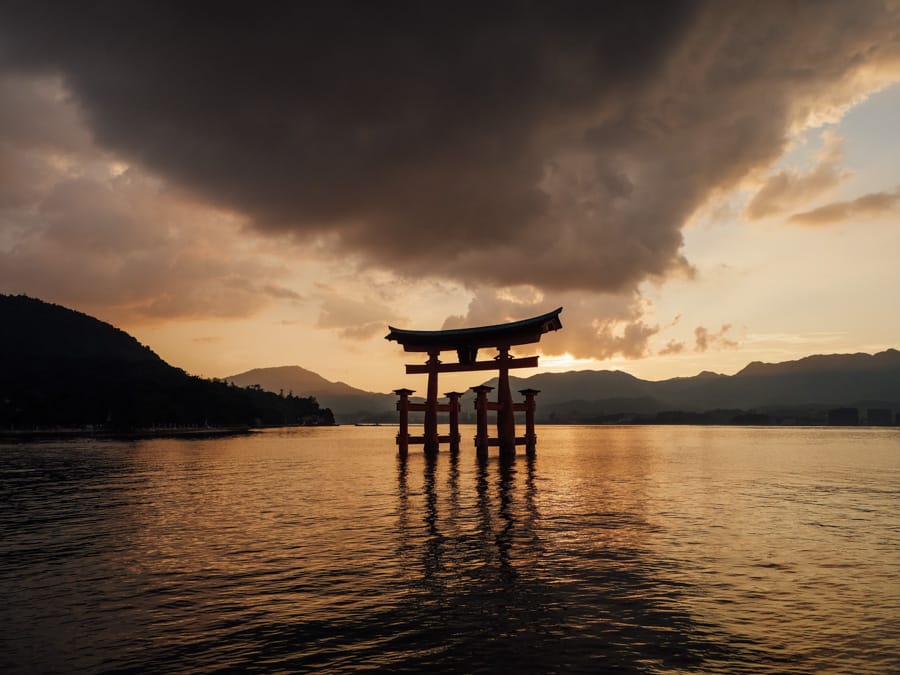
Discover the rest of our trip to Japan with Miyajima, Hiroshima and our immersion with a Japanese family in Oita prefecture.
After leaving Tokyo and Kyoto, Hiroshima, the Peace City is a must when visiting Japan.
I also invite you to read all our other articles on Japan to help you prepare for your trip:
- Kyoto and Nara, 4 days in the heart of traditional Japan
- 6 tips for eating on a budget in Japan
- Tokyo, 6 curious concepts from Japan
- What to do in Tokyo, our favourites by neighbourhood
- Kyoto, the day I became a geisha
- Recipe: shrimp and vegetable tempura
| HIROSHIMA
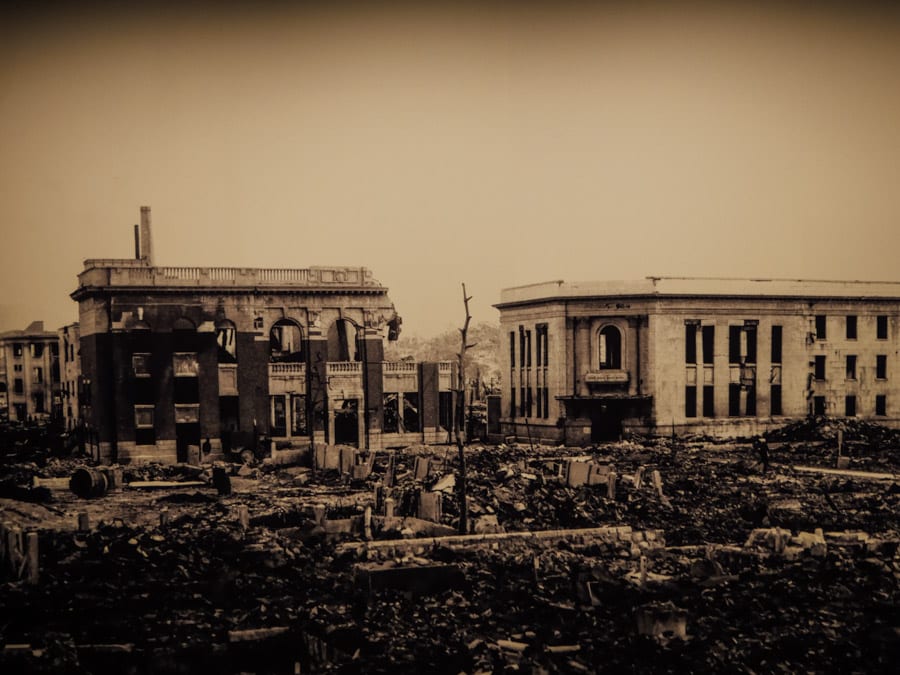
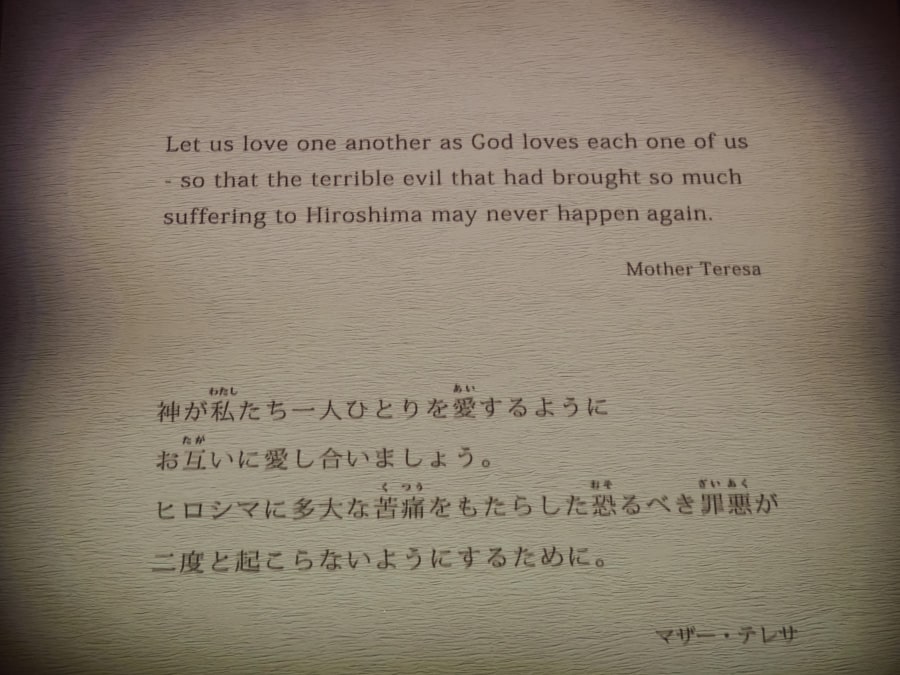
The atomic bombing of August 6, 1945 completely destroyed every building in the city center except what is now known as the Hiroshima Atomic Bomb Dome, which survived the blast and is now a UNESCO World Heritage Site. It’s one of the testimonies to the ravages of nuclear weapons, and the museum is there to remind us of this terrible tragedy. We spent a day in Hiroshima, visiting only the park containing the dome, the museum and the memorial to the victims of the bomb.
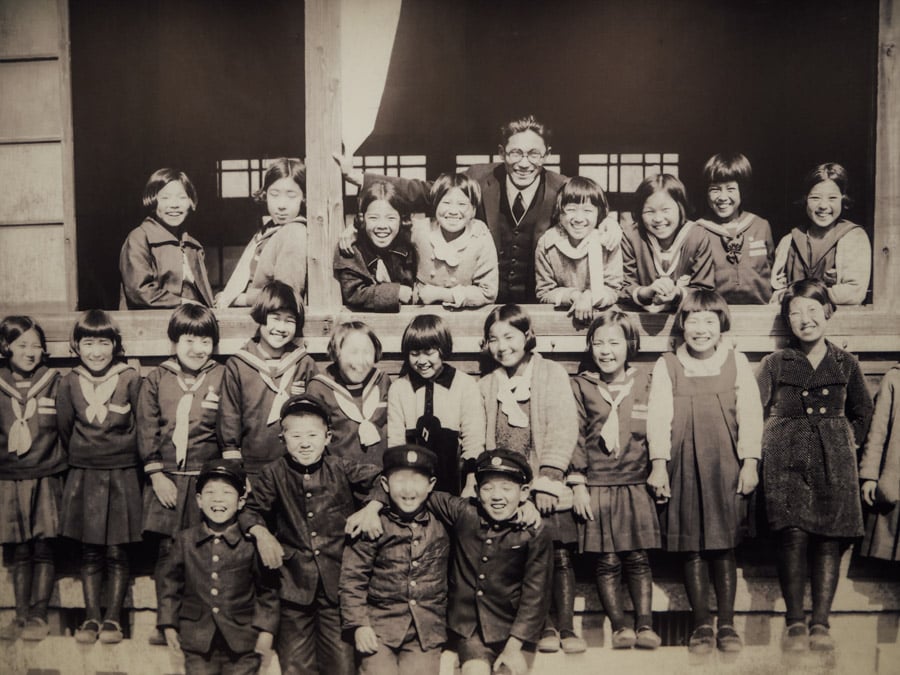
The museum gave us the creeps! Imagine that in the middle of the day, this tomb killed 75,000 people on the spot and around 220,000 in total! The Hiroshima Peace Memorial Museum not only graphically displays models before and after the explosion, but also poignant photos of the victims and objects recovered after the blast, including clothes and a bicycle. It’s very touching and moving, and we didn’t take many photos!

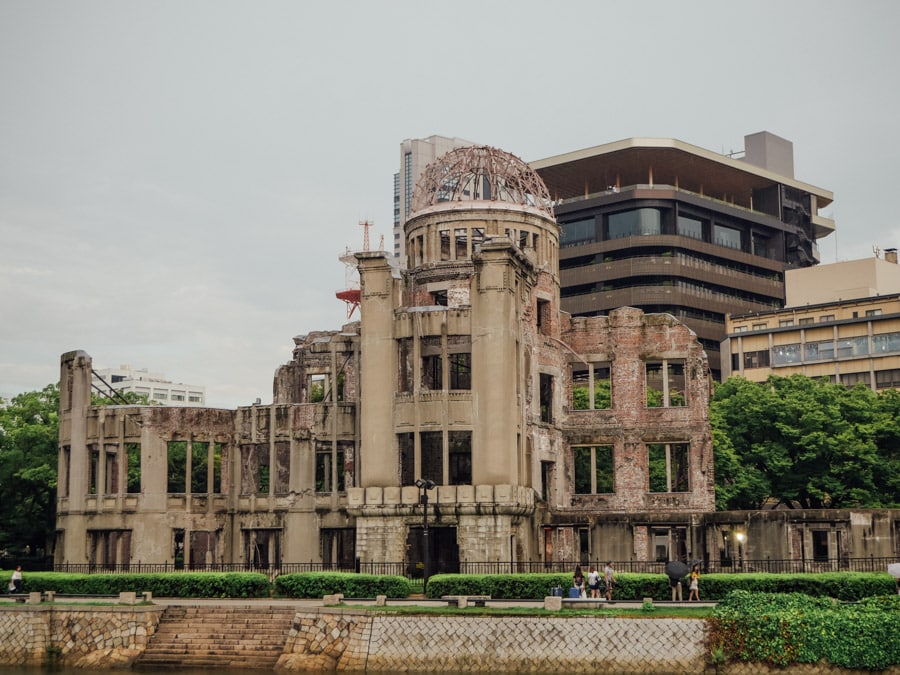
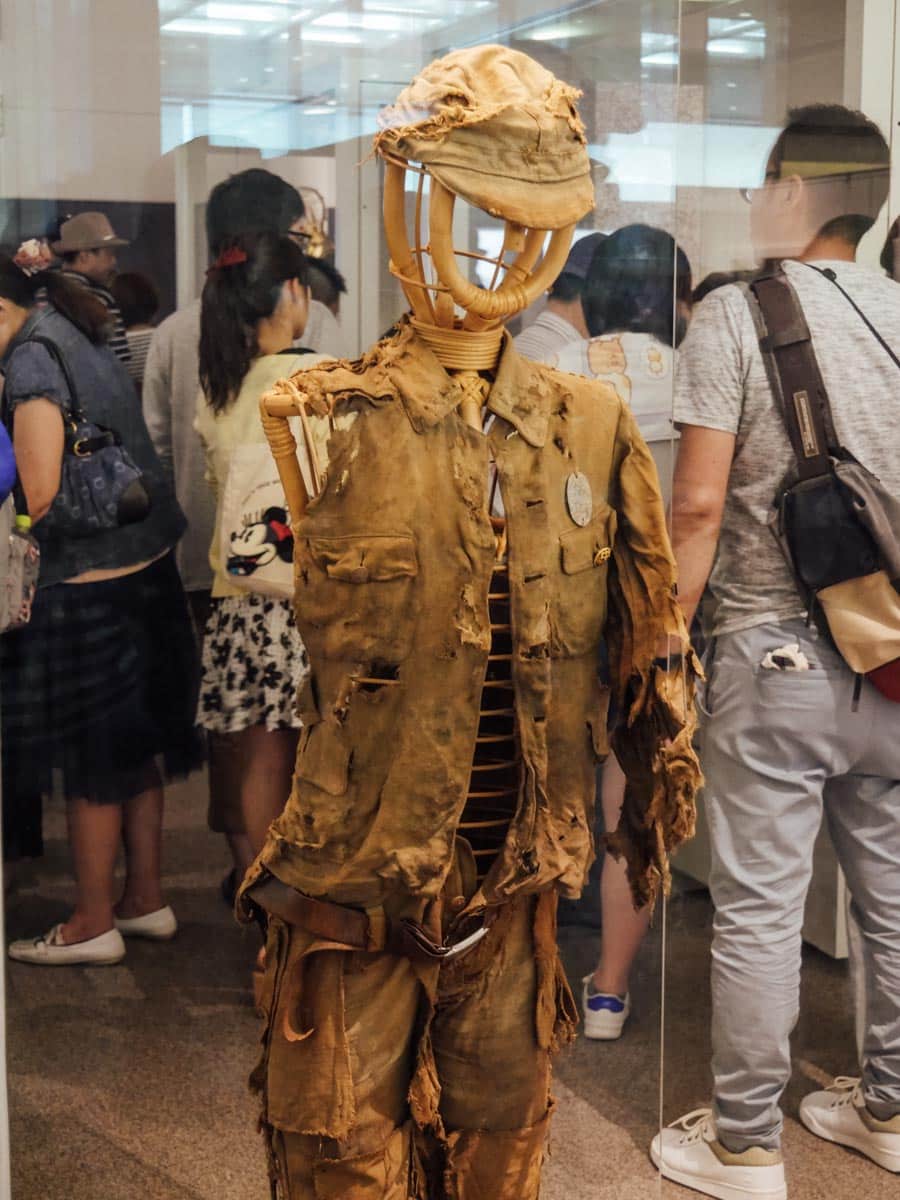
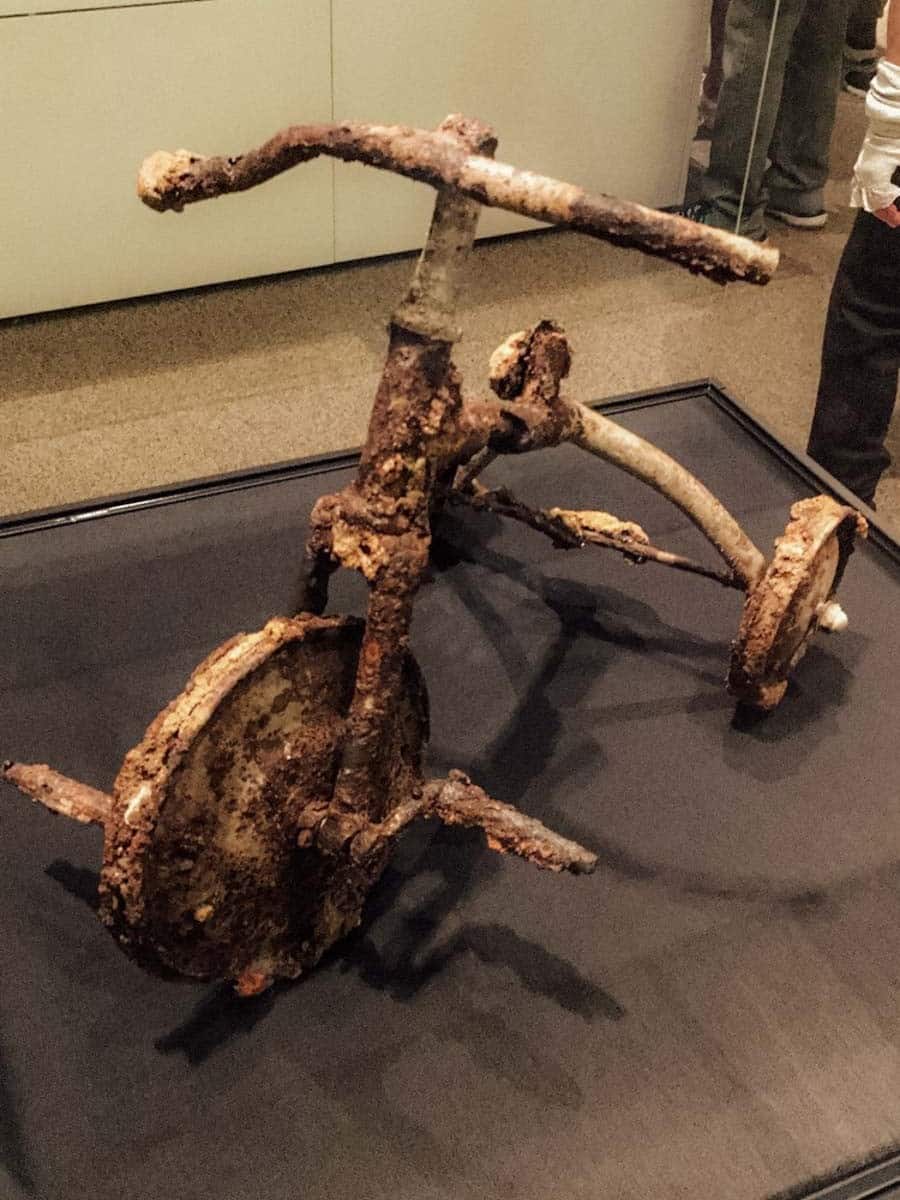
How to get to Hiroshima?
Distance from Tokyo to Hiroshima
→ By Train : 4 to 5 hours from Tokyo station (depending on the train))
→ By plane: 1h20 from Haneda airport; 45 min by bus from Hiroshima airport to the city center (JR station).
→ By coach : 12:00 p.m. overnight trip on JR Bus Kanto, Chugoku JR Bus or Odakyu Bus.
Distance from Kyoto to Hiroshima
→ By Train : 1H40 to 1h55 from Kyoto station
→ By coach : 7:44 a.m. overnight trip on Chugoku JR Bus
Distance from Osaka to Hiroshima
→ By Shinkansen : 1h20 to 1h35 from Shin-Osaka station
→ By coach : 7.15 a.m. overnight trip on Chugoku JR Bus.
| MIYAJIMA
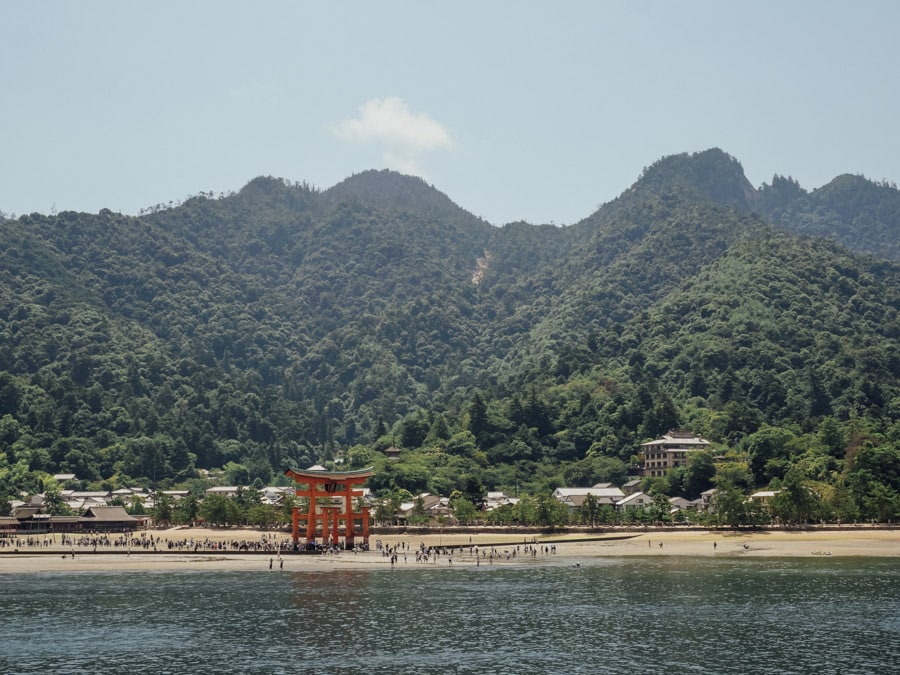
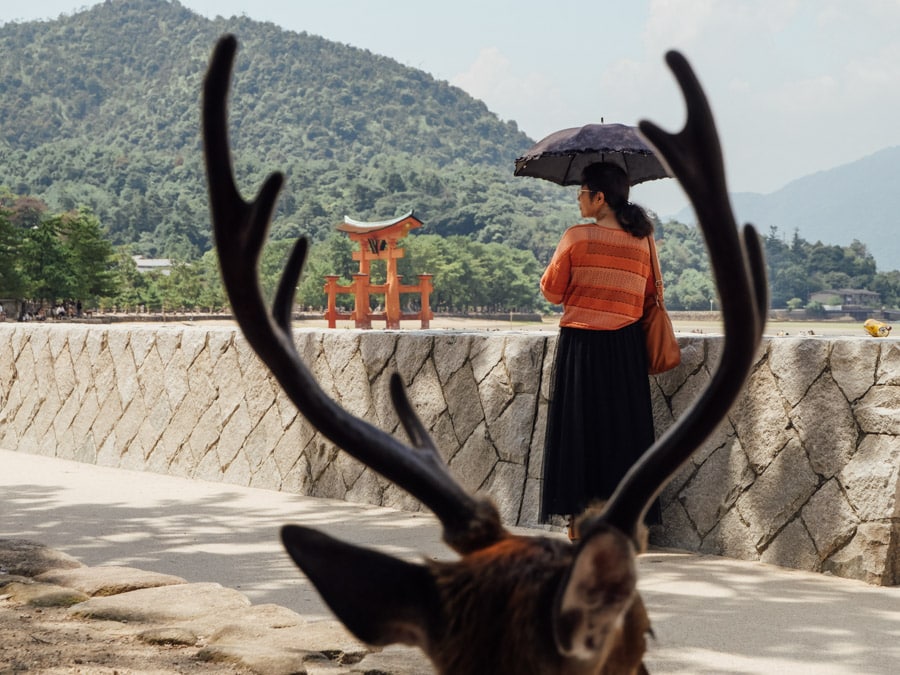
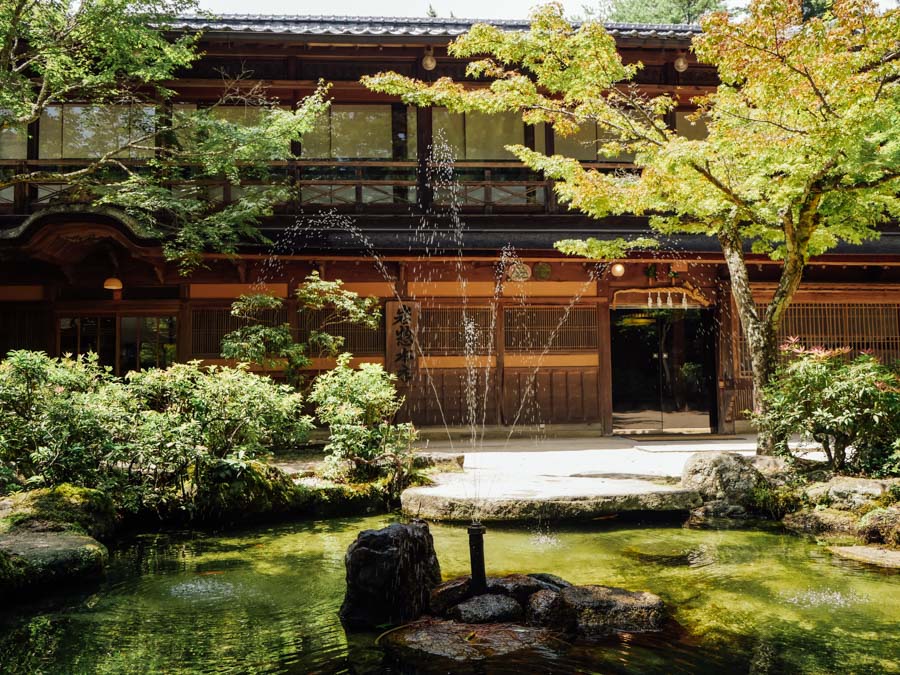
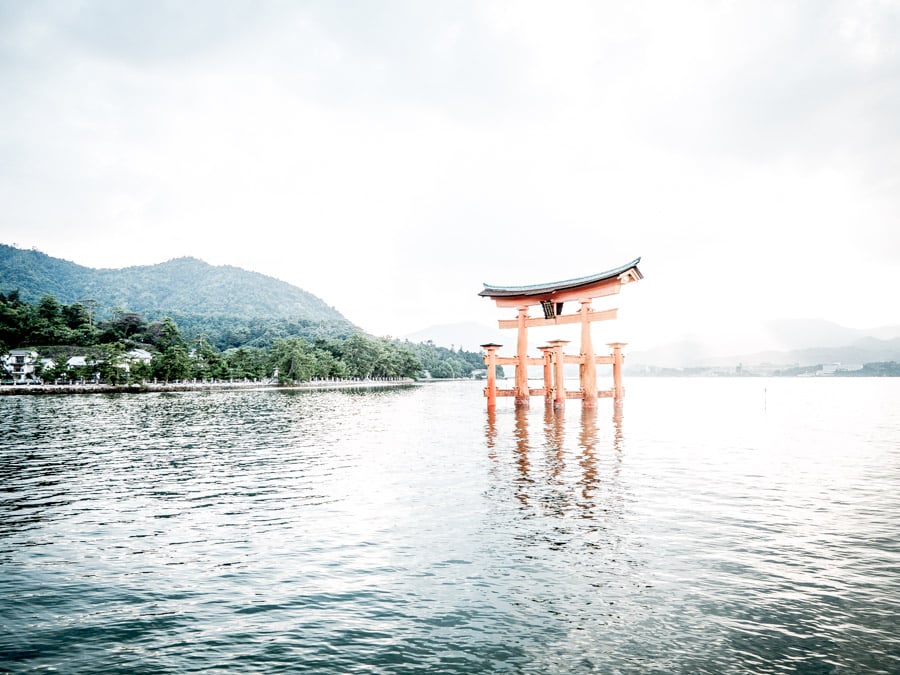
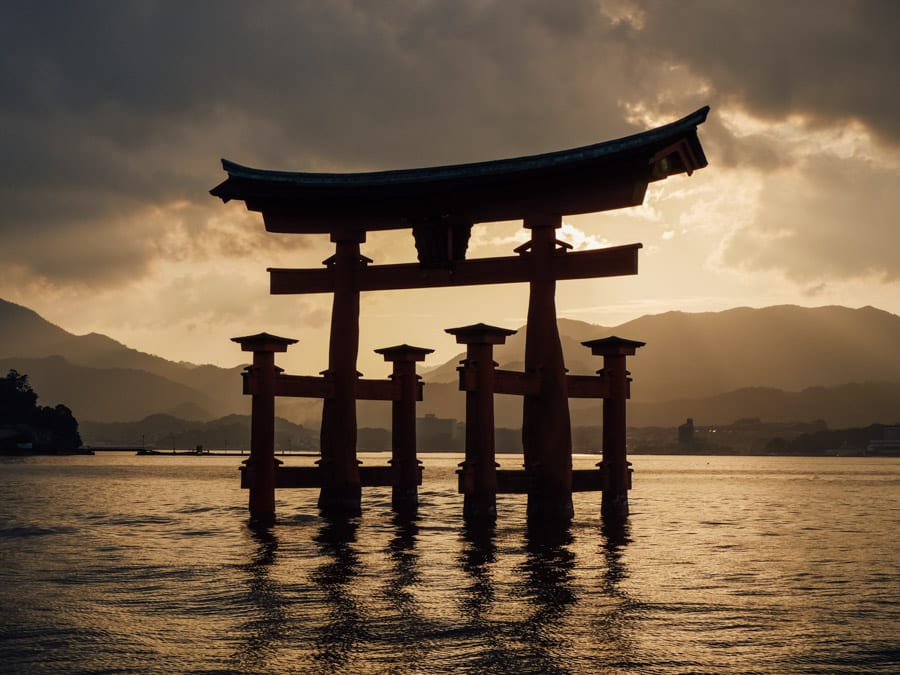
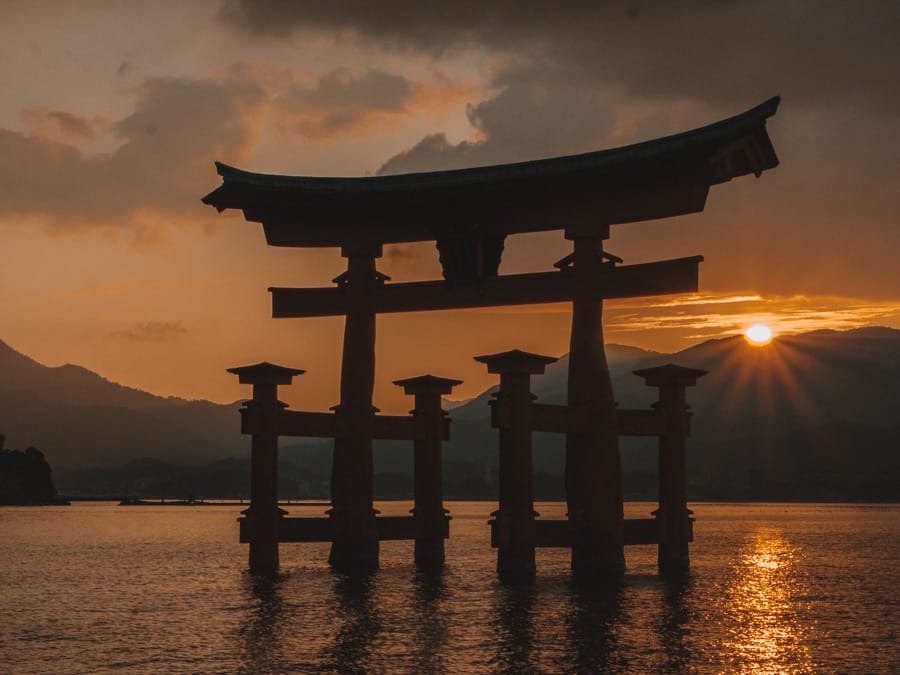
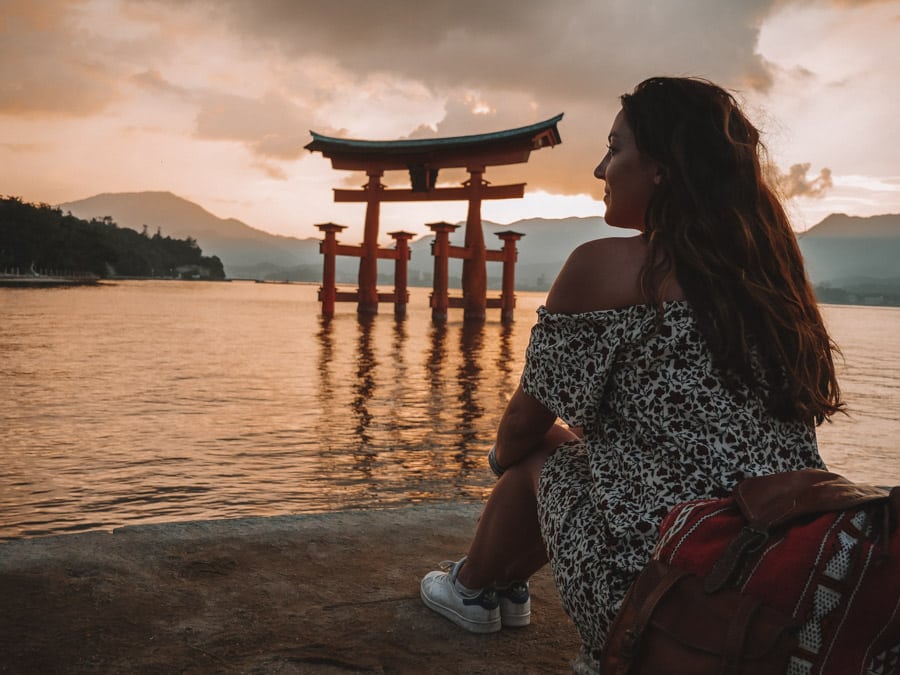
How to reach us Miyajima from Hiroshima, you have to take a train and a ferry. In around 40 minutes, you’ll arrive at one of Japan’s most famous vistas and a popular tourist attraction. We spent a day on this island, considered to be inhabited by the gods. During the day, you’re likely to hate the place, as the famous gate is packed with tourists photographing themselves in front, behind and to the sides. But at the end of the day, Miyajima is really appreciated! As soon as the sun sets, the lights over Miyajima are absolutely beautiful, giving this island a mystical aspect. We weren’t able to spend the night, but we recommend you stay one night on the island to enjoy the morning light and the peace and quiet once the tourists have left. There are plenty of hotels to choose from, including beautiful, authentic ryokans and onsens, the hot springs that originated in Japan, so treat yourself.
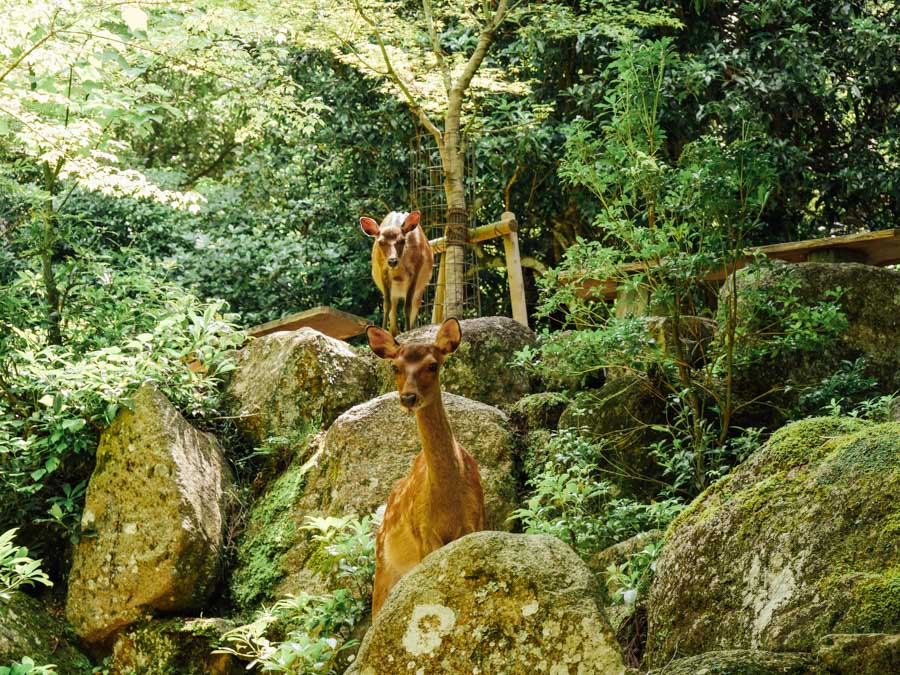
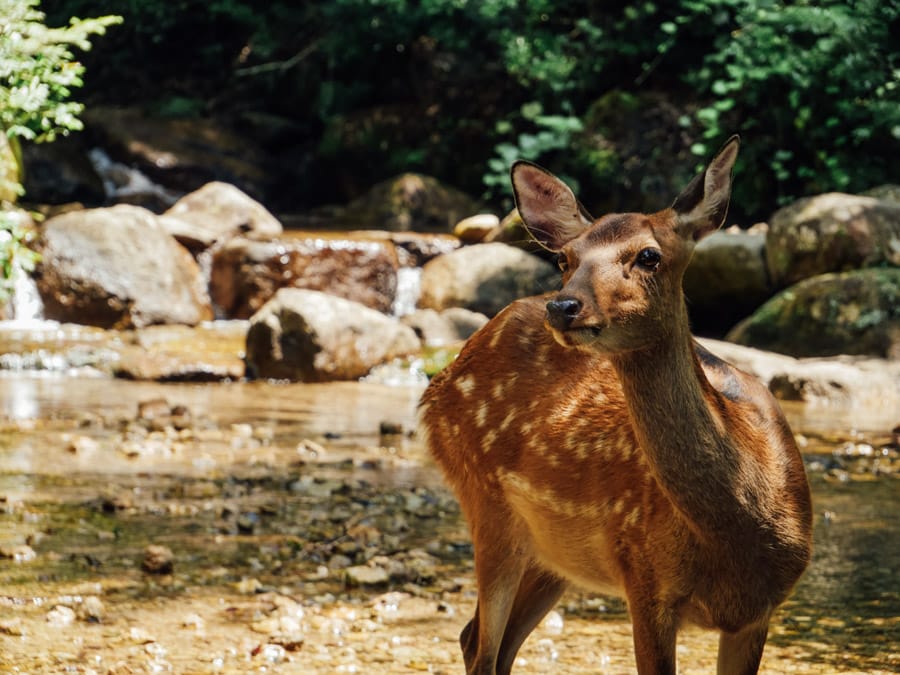
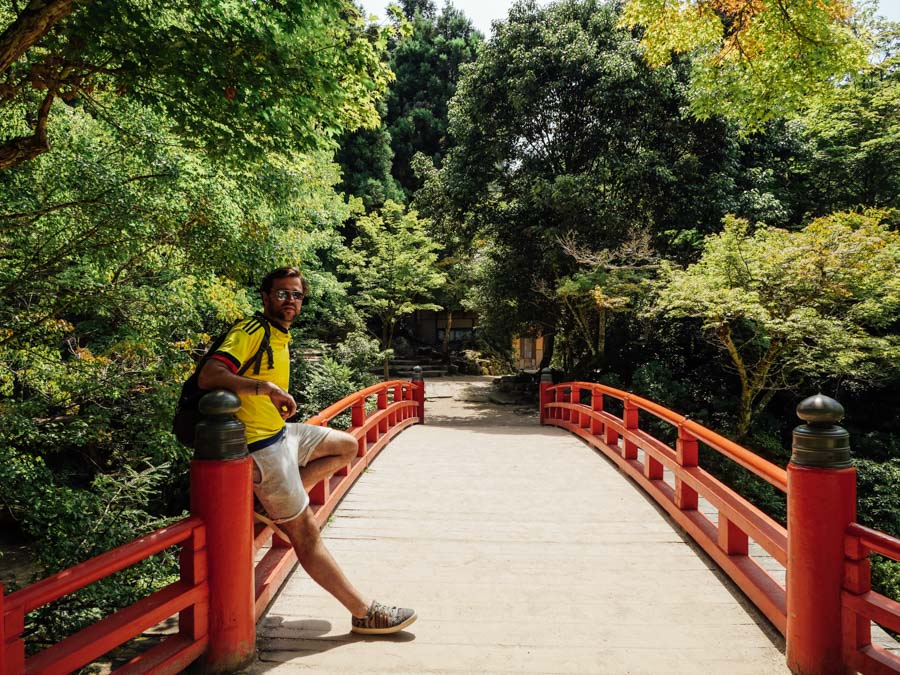
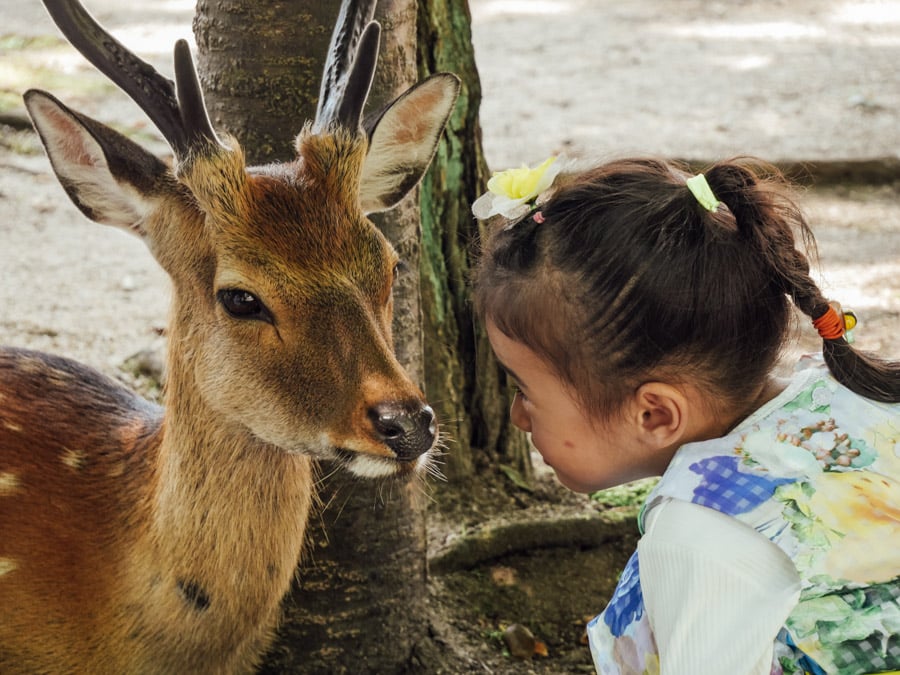
There’s one main street, Rue Omotesando is full of souvenir stores and restaurants, but on the other side of the island there’s a large, often deserted beach. We walked there for 45 minutes, but you can also take the shuttle bus to get there. This dip was perfect for cooling off! If the Nara fallow deer appeal to you, you’ll find them on the island and in the gardens. We picnicked near this little red bridge, on the water’s edge with curious and greedy fallow deer!
| SLEEPING IN JAPANESE HOMES
I couldn’t see us going to Japan without spending at least one night with a local! If you’ve been following us for a while, you’ll know that we’re quite fond of this kind of experience, as it’s a great way to meet locals, exchange ideas and share some pretty unforgettable moments. But I had no idea that homestay in Japan, would be so complicated to find! For lack of time, we couldn’t do woofing (a way to stay in a Japanese home in exchange for a few hours of daily work) or couchsurfing (hosting strangers on your couch) and I had a clear idea in my head of what I was looking for.
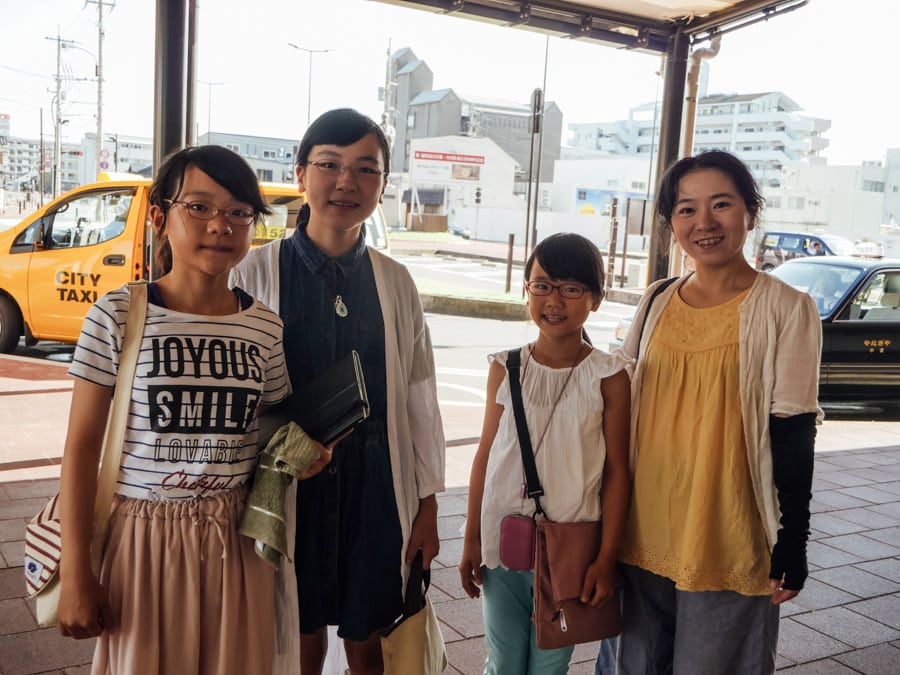
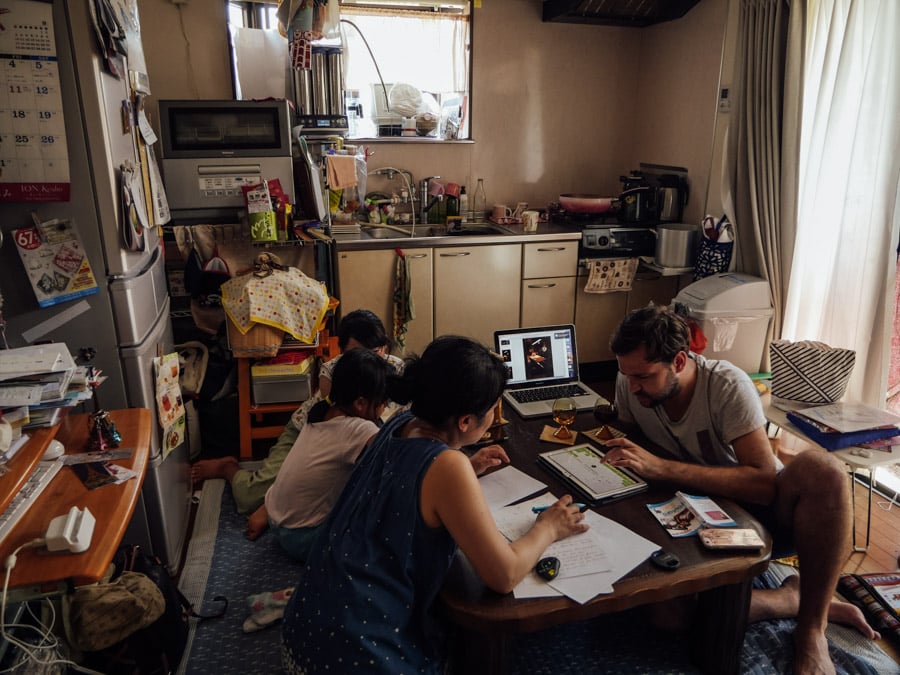
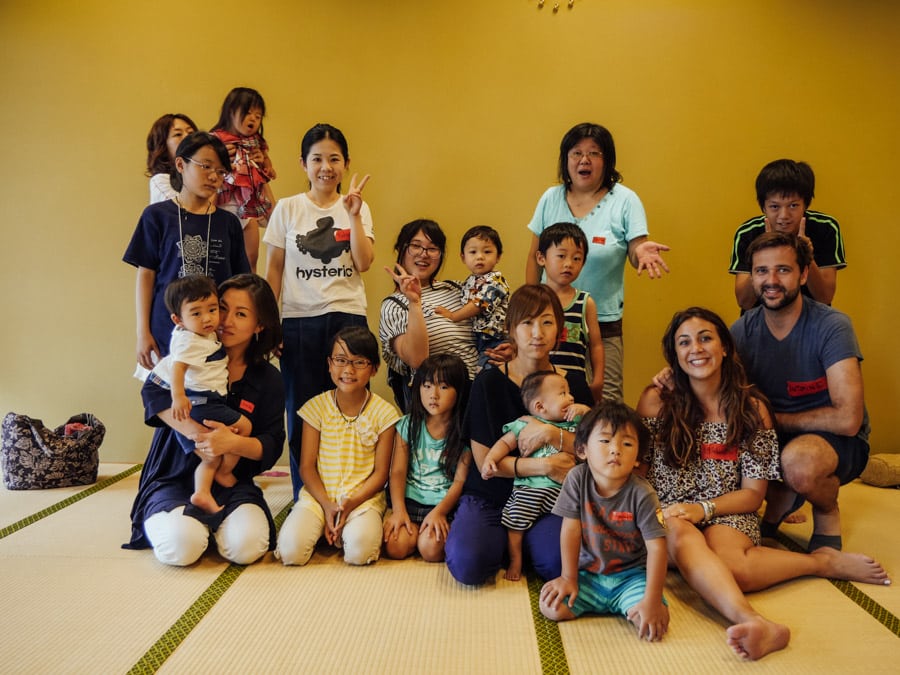
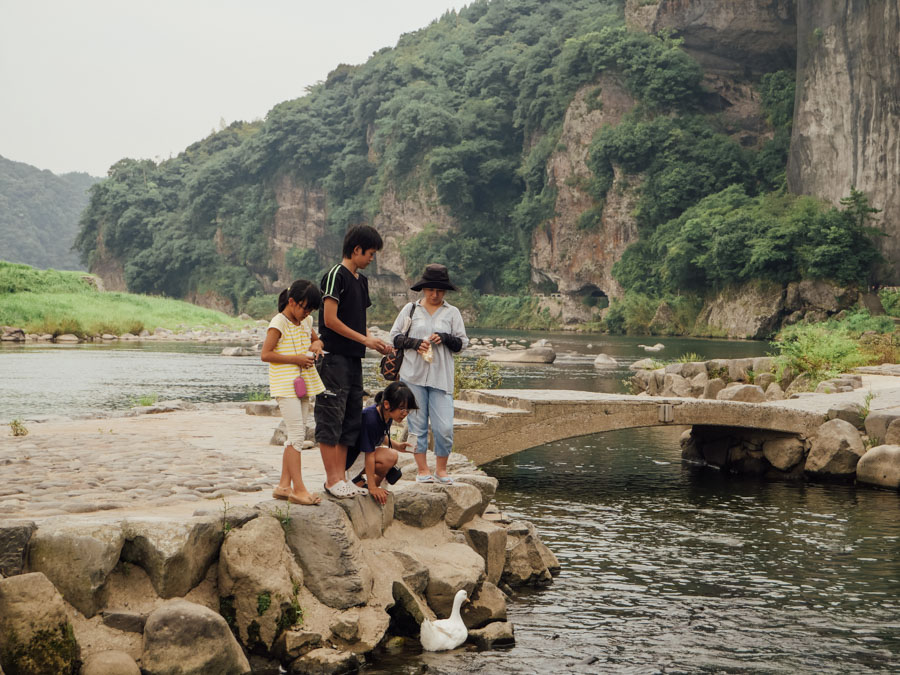
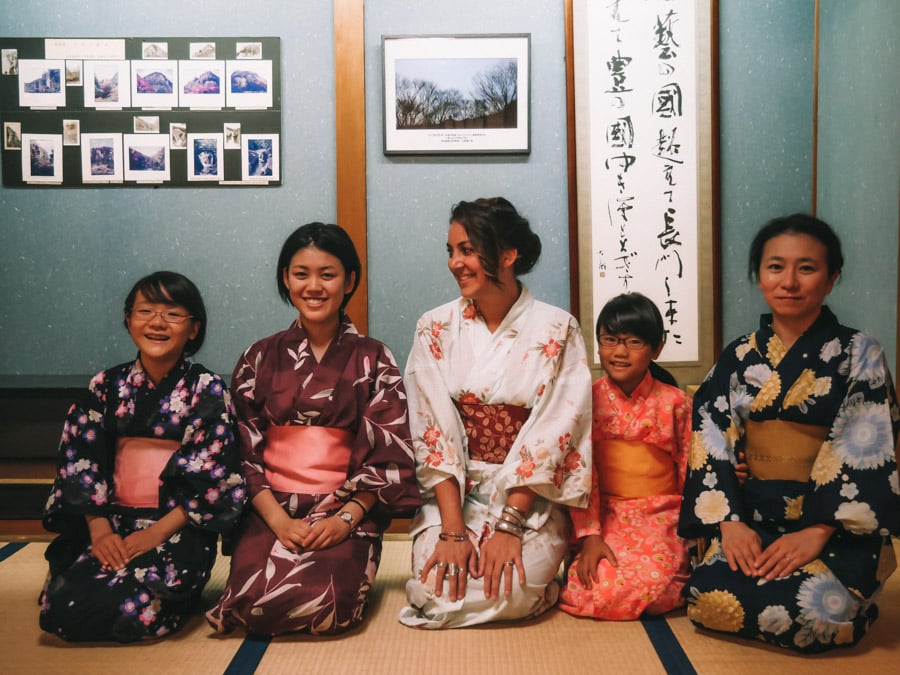
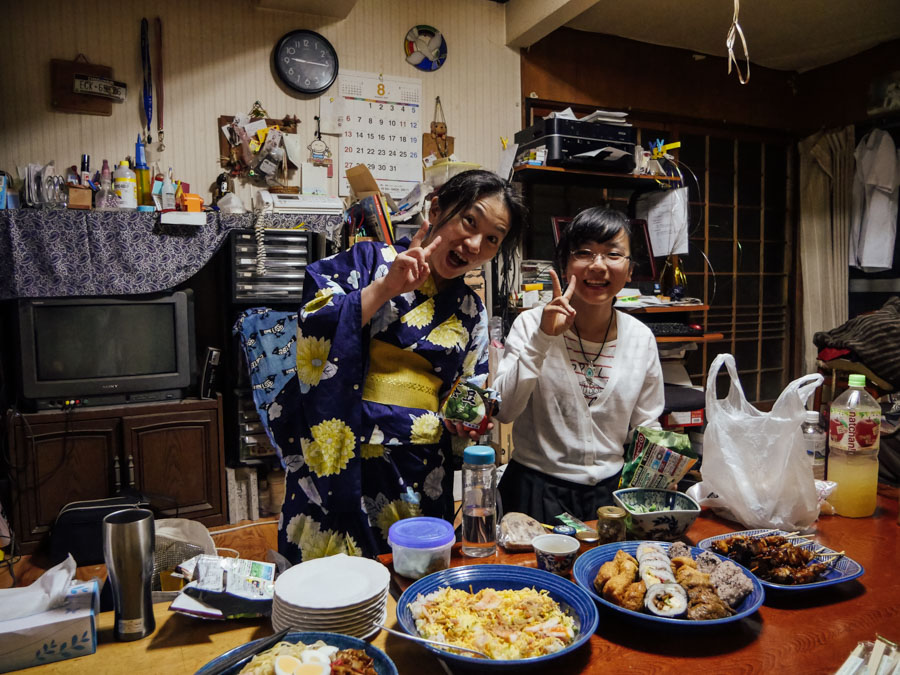
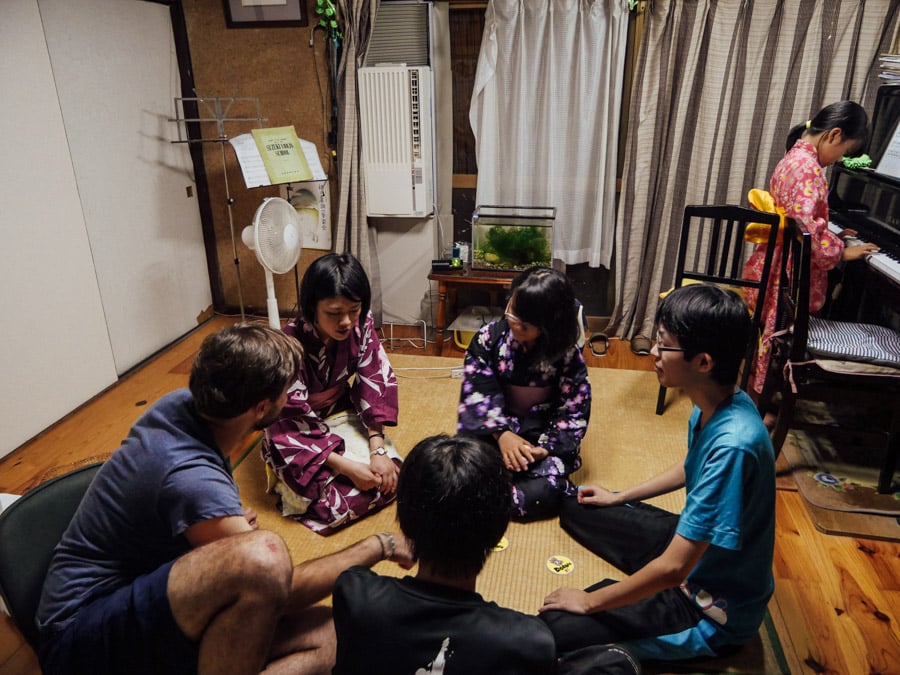
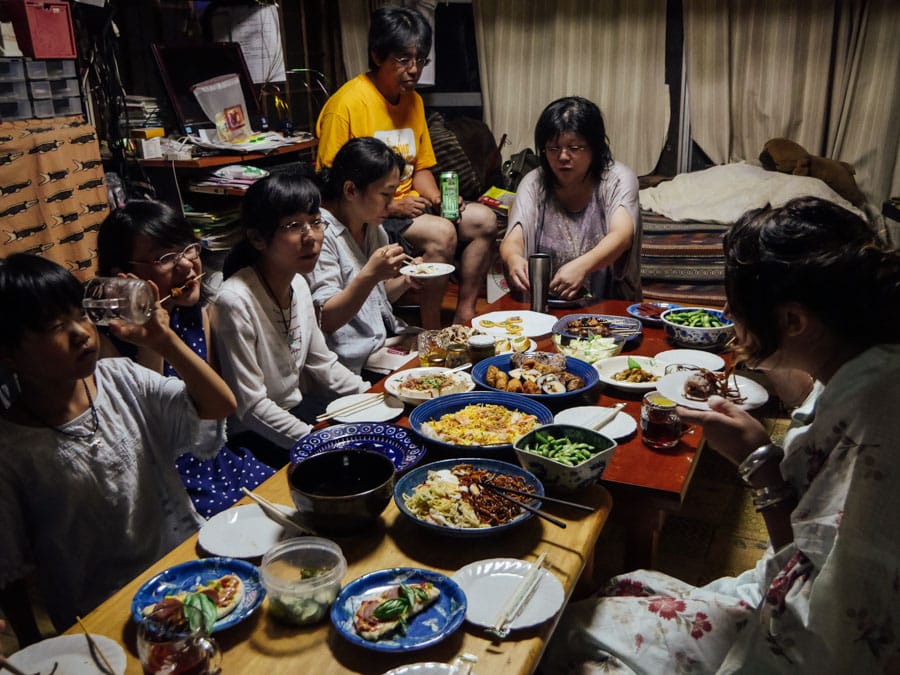
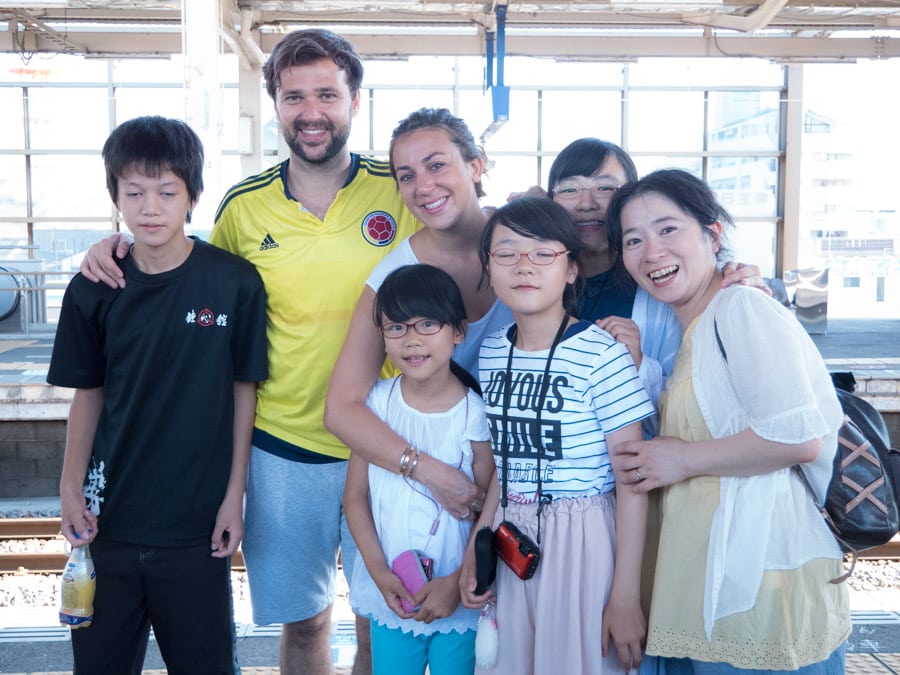
After months of searching, we stayed for 3 days/2 nights with a modest family in Nakatsu in Oita Prefecture. The mother welcomed us at the station with her 3 little girls aged 6 to 13. Dad was away working in China. We arrived in a family that didn’t speak a word of English, only ” hello” and ” thank you ” which is to say that it was a real change of scenery, but who cares, we love the challenge! The first exchanges were funny: we looked at each other, we communicated with our hands, our smiles, the translator tablet and also my little French-Japanese survival guide! And I can assure you that he helped us make our point! And then we started to find our feet in this family! I immediately got the feel of the girls, who were quite tactile and teasing. When I travel, I love taking the time to observe our similarities, but also our differences, and to understand, for example, how a house works in Japan: we take off our shoes when we get home, clean the wheels on our suitcases and then we can go inside! We handed out our little gifts to thank them for inviting us (mini Eiffel Tower, typical Parisian bookmarks, local products…) and I think the Eiffel Tower was a big hit! The 3 girls had fun with it all evening!
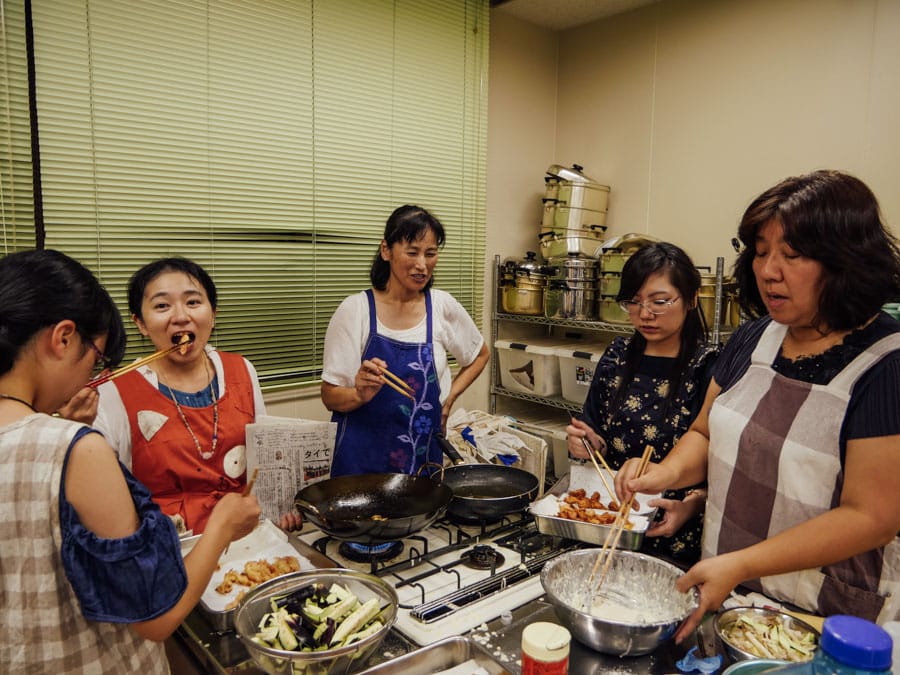
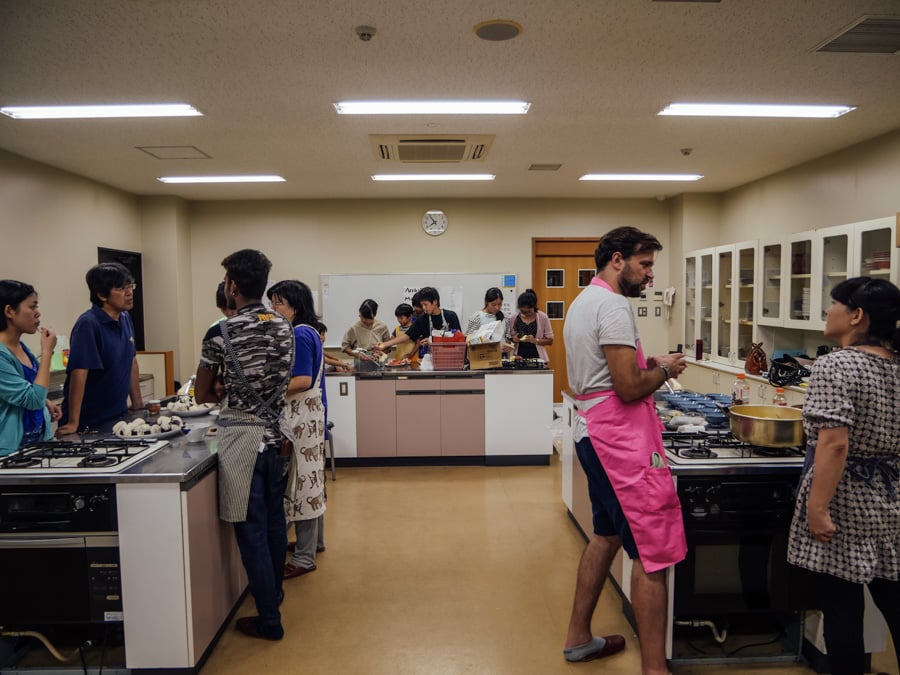
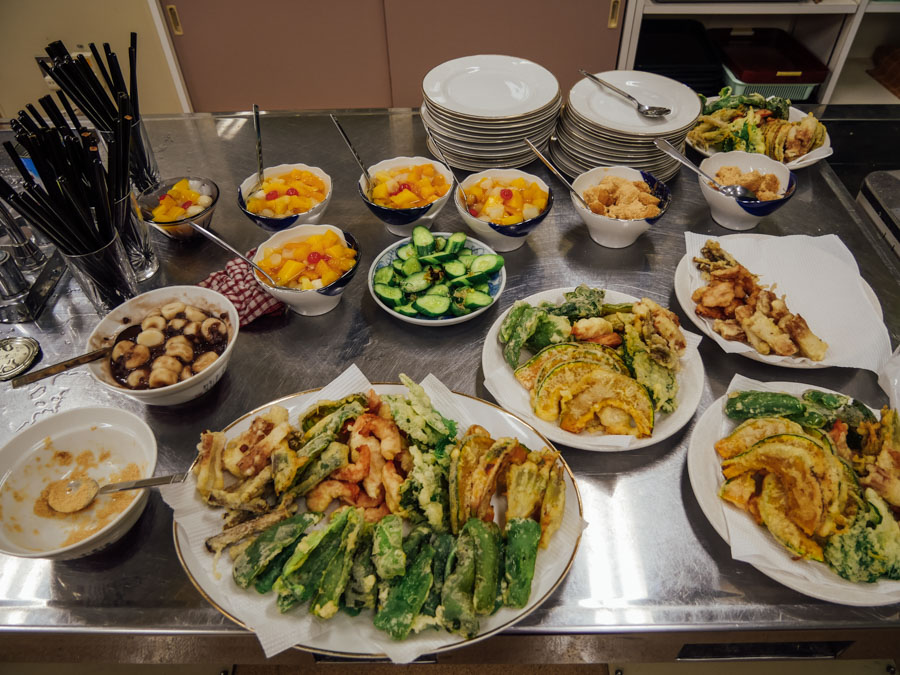
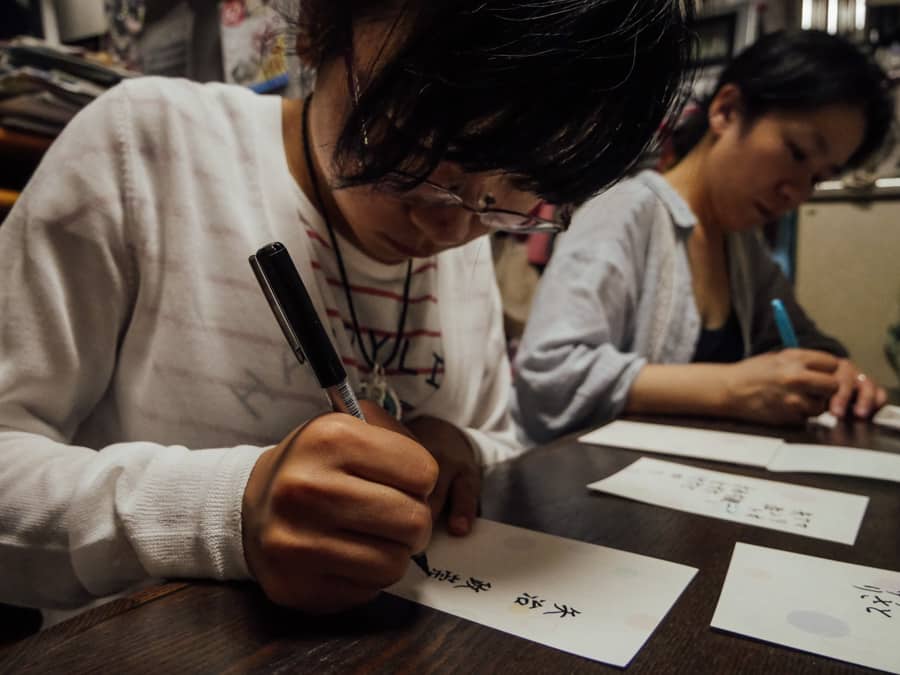
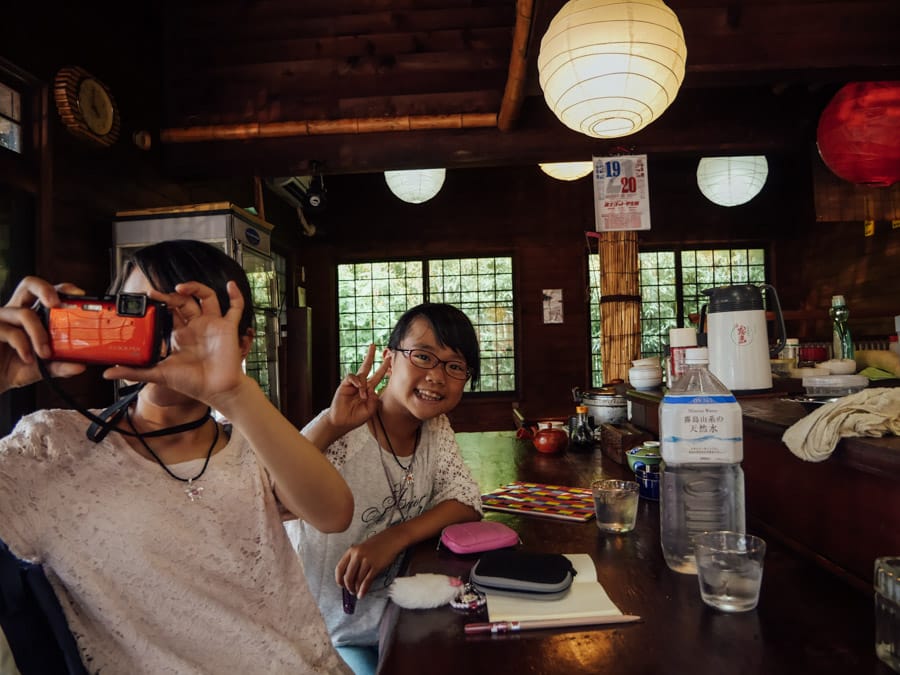
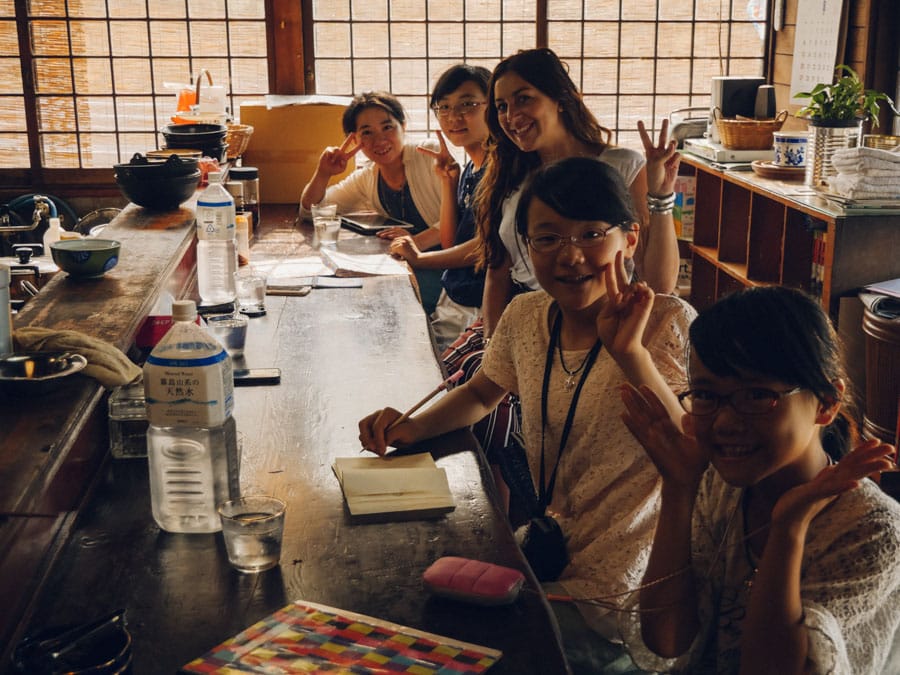
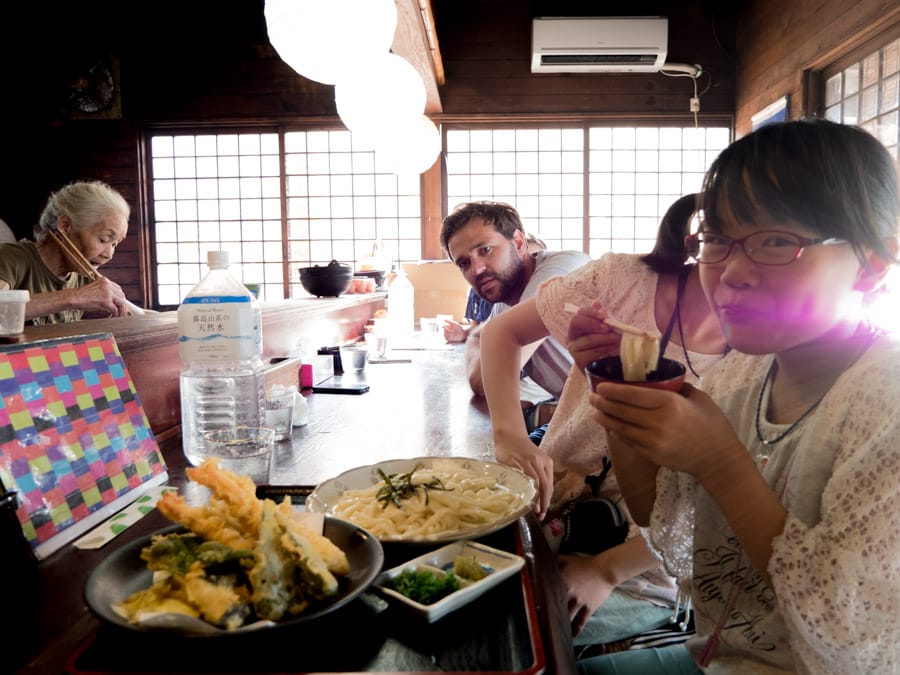
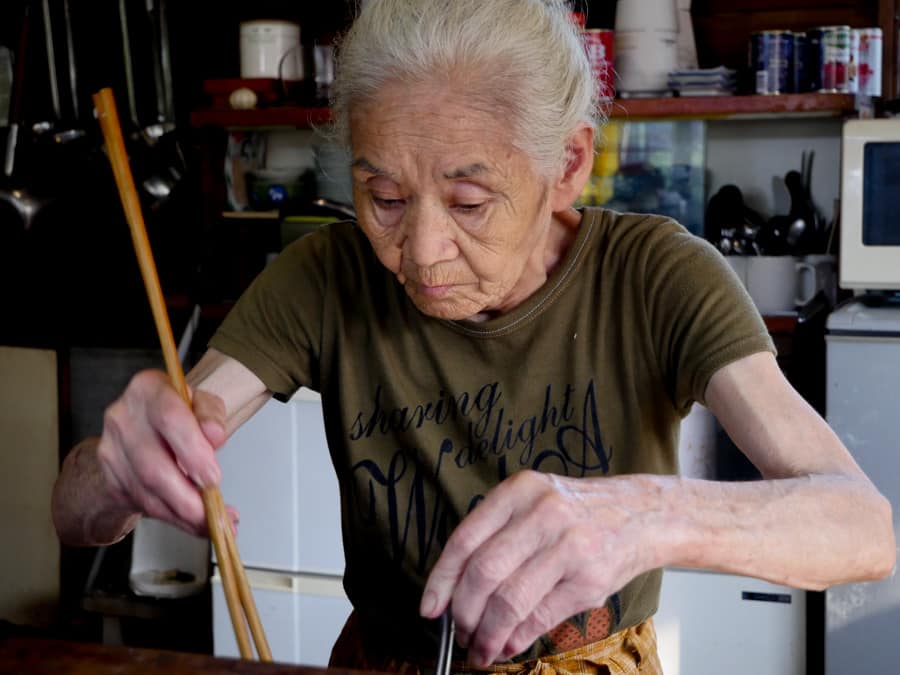
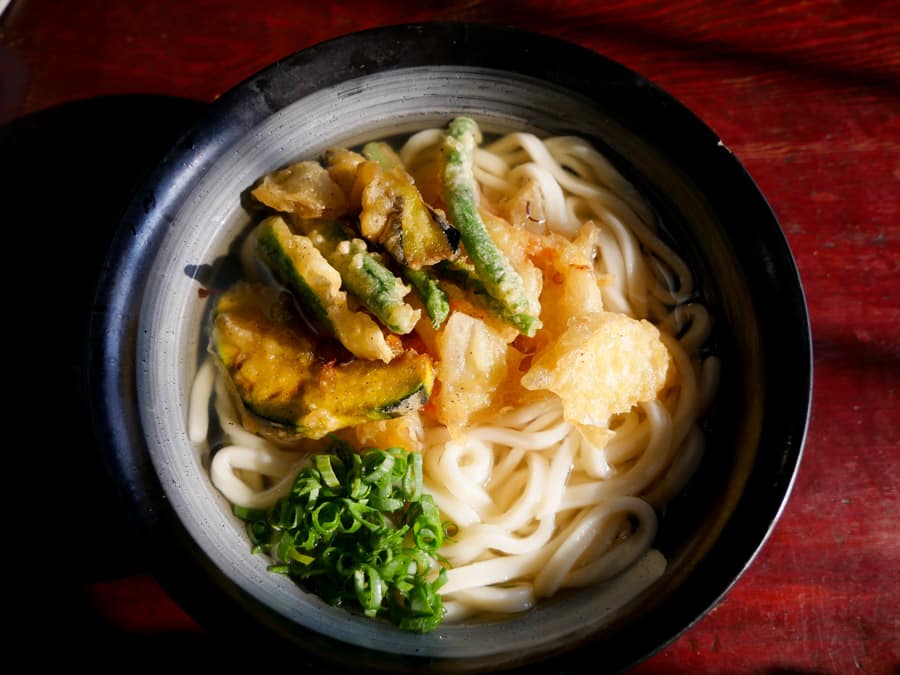
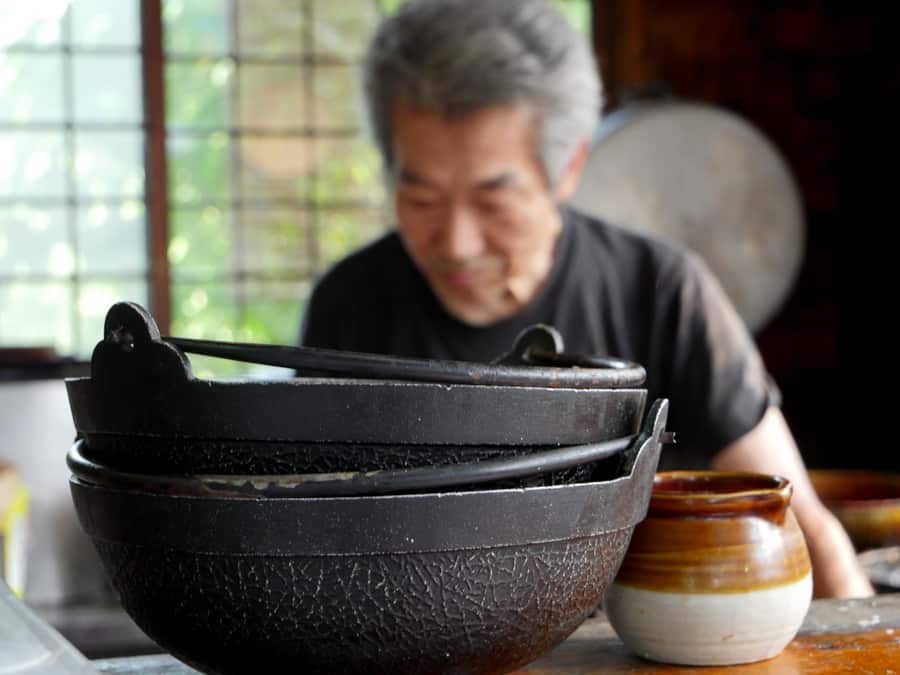
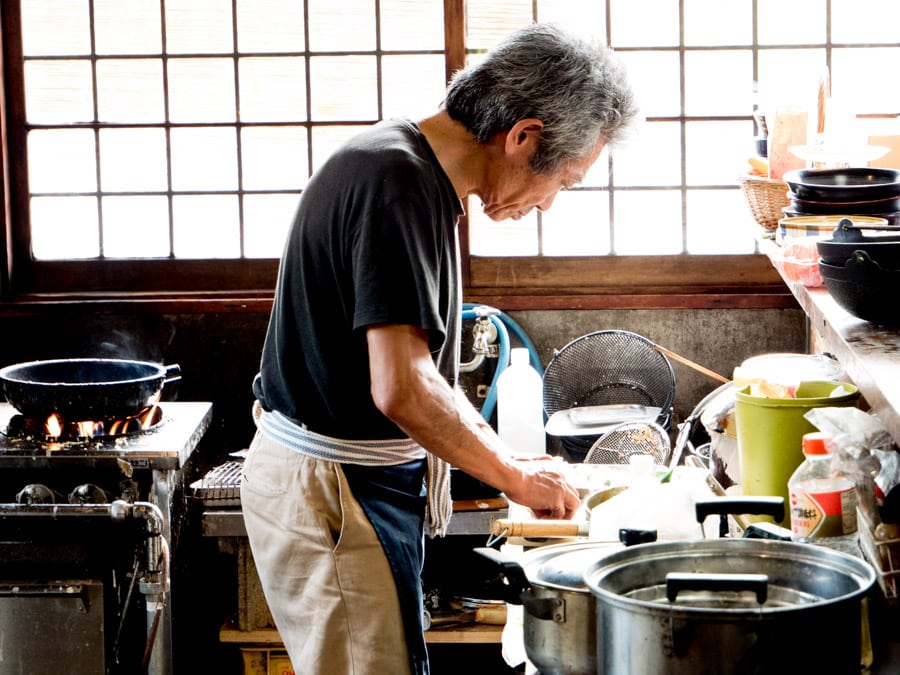
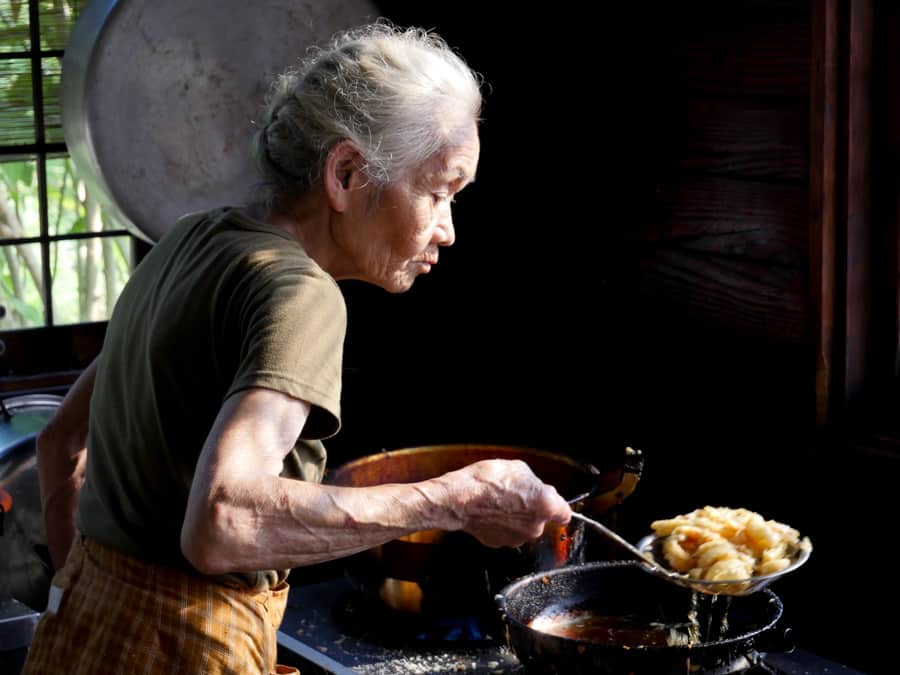
We didn’t really know what we were going to do during these 2 days, but our local correspondent had prepared a perfect program for us, with plenty of opportunities to meet new people. She runs a language association that puts Japanese families in touch with foreigners. The families “fight” to receive us because it’s a way for them to practice the language, get away from their daily routine and meet new people. It’s an honor to receive us, and these families go out of their way to please us. So we went to a nursery school where stay-at-home mothers love to meet foreigners (especially French) and learn our language. So we turned ourselves into French teachers for a few hours, and it was great fun! Then it was on to the next two days, a folk cooking class with members of the association, an Onsen with our family in a place where the locals aren’t used to seeing people! We also wandered around the town, stopping off at a supermarket to buy some local produce and then having lunch in an unusual place, a place we won’t soon forget! I wanted to see the Japan of yesteryear, and so I did! The restaurant was empty but authentic, and we were greeted by an elderly but still active Japanese couple behind their stoves. In 10 minutes, they prepared delicious Udons accompanied by homemade tempuras, vegetables fried in oil. I spent 1 hour watching them, they were so beautiful and smiling, I was moved just looking at them! (Well, I have a tendency to cry, but I assure you they were kind and caring). It’s an experience we won’t soon forget!
We’d have 10,000 things to tell you, but to sum up the best moments, including those listed above, I’d say we loved it:
- Watching the eldest member of the Akusa family cook us a Japanese omelette with huge chopsticks early in the morning
- Trying a real Japanese breakfast
- Sleeping on a futon
- Having dinner with the neighbours, sitting on the floor in a traditional house
- Singing with the neighbours and listening to them play the violin
- Playing French board games with our family
- Seeing the little ones at breakfast, devouring and emptying the jar of homemade raspberry jam made by our beautiful mother! It was quite funny because they didn’t know what jam was!
- Not speaking the language and understanding each other through our eyes!
This Japanese immersion was one of the best experiences I’ve had with the locals! We left this incredible family with our throats tightened and our eyes wet!
We left this family and this region with our hearts full of emotion. These three weeks in Japan have been intense and far too short. They made us want to discover other prefectures. Japan is a country we have loved and would love to return to every season.
Before you leave, I invite you to read all our other articles on Japan to help you prepare for your trip:
- Kyoto and Nara, 4 days in the heart of traditional Japan
- 6 tips for eating on a budget in Japan
- Tokyo, 6 curious concepts from Japan
- What to do in Tokyo, our favourites by neighbourhood
- Kyoto, the day I became a geisha
- Recipe: shrimp and vegetable tempura
Please note that as an accredited bespoke travel designer, I offer to accompany you in the creation of your tailor-made trip to Japan and create a personalized itinerary tailored to your needs. Please send me an email at : contact@mademoiselle-voyage.fr