What to do in Budapest? We visited this capital in summer with our family for 4 days. We share all our tips as well as our favorites and tested addresses in this beautiful Hungarian capital.
Buda is the city where the castle that was the Habsburg court is located, and Pest is the more modern city extensively remodeled at the end of the 19th century.
Budapest can be visited in any season, especially as it has the advantage of being a thermal city that allows you to enjoy hot baths all year round. It is also a city of art and history with numerous museums on a variety of themes, a green city with its parks, and a city of architecture with many buildings bearing the hallmark of Hungarian Art Nouveau. Dynamic, rich in cultural events and festivals, it is a metropolis that is both historic and modern. This article aims to help you prepare your stay in Budapest.
TABLE OF CONTENTS :
| BUDAPEST’S ART NOUVEAU
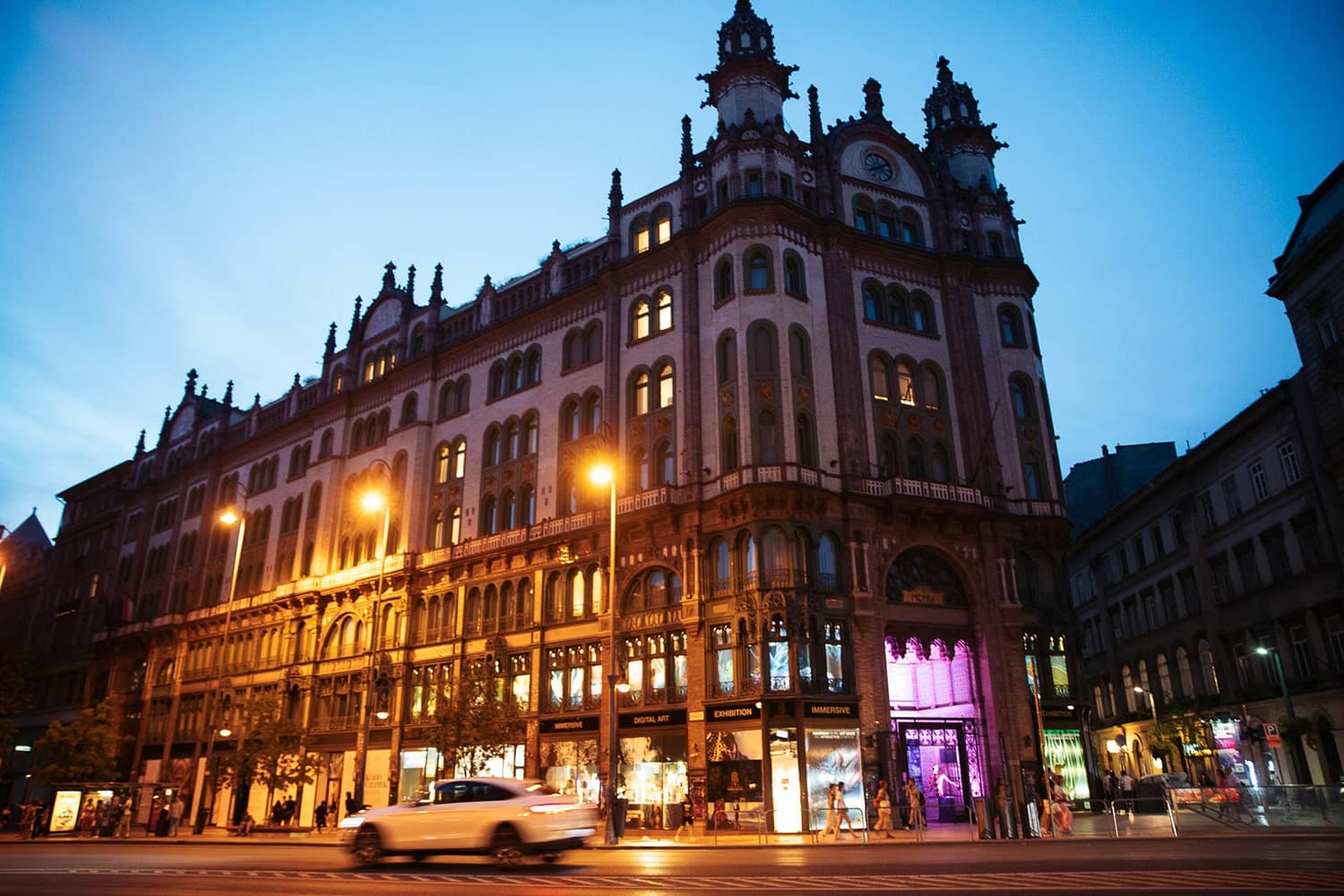
Let’s start with what struck us most upon arriving in Budapest and which alone is worth the visit: Art Nouveau. Because Budapest is certainly its capital alongside Paris. And although it is strongly marked by this style flourishing at the end of the 19th and beginning of the 20th centuries, it is above all the result of a political will.
Indeed, the creation of Budapest at that time and the relative secession of the country from the Austro-Hungarian Empire gave momentum to this architectural style, which was then used massively to assert Hungarian identity and the country’s independence. You’ll thus find buildings with purely Art Nouveau bases richly adorned with ornaments influenced by the Orient, evoking the first Magyars who came from Central Asia and founded Hungary.
You will find this style in the various baths we mention further down but also at the Museum of Fine Arts in Budapest, where the building’s exterior is a perfect example, using colored ceramic tiles on the roof as its signature and featuring an immense glass roof visible from inside. This museum is, in itself, a summary of this Hungarian architecture created by architect Ödön Lechner. Many other buildings—now private—such as the Budapest Ballet turned into the W Budapest hotel, and the Gresham Palace now the Four Seasons Hotel, allow you to observe this architectural style.
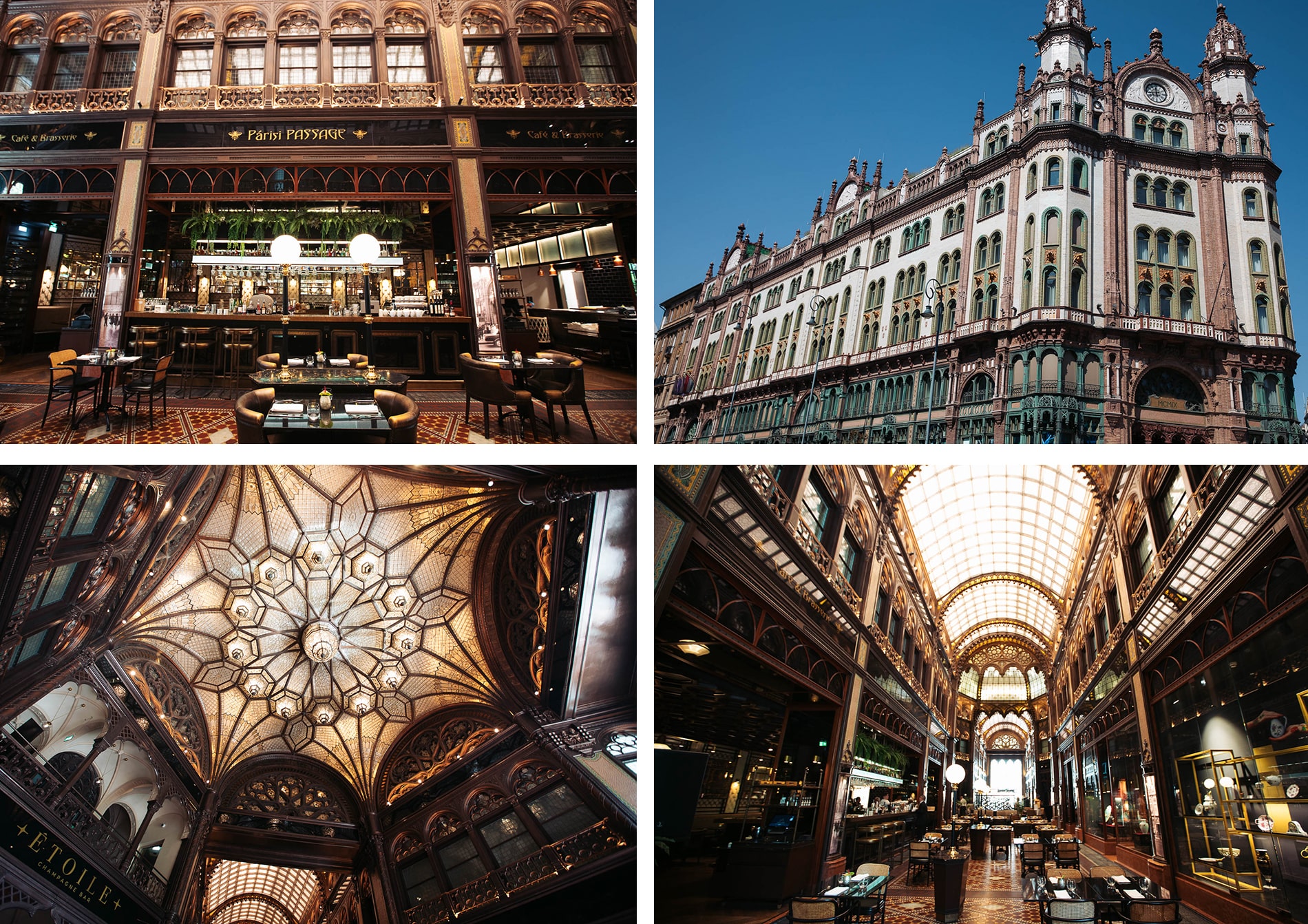
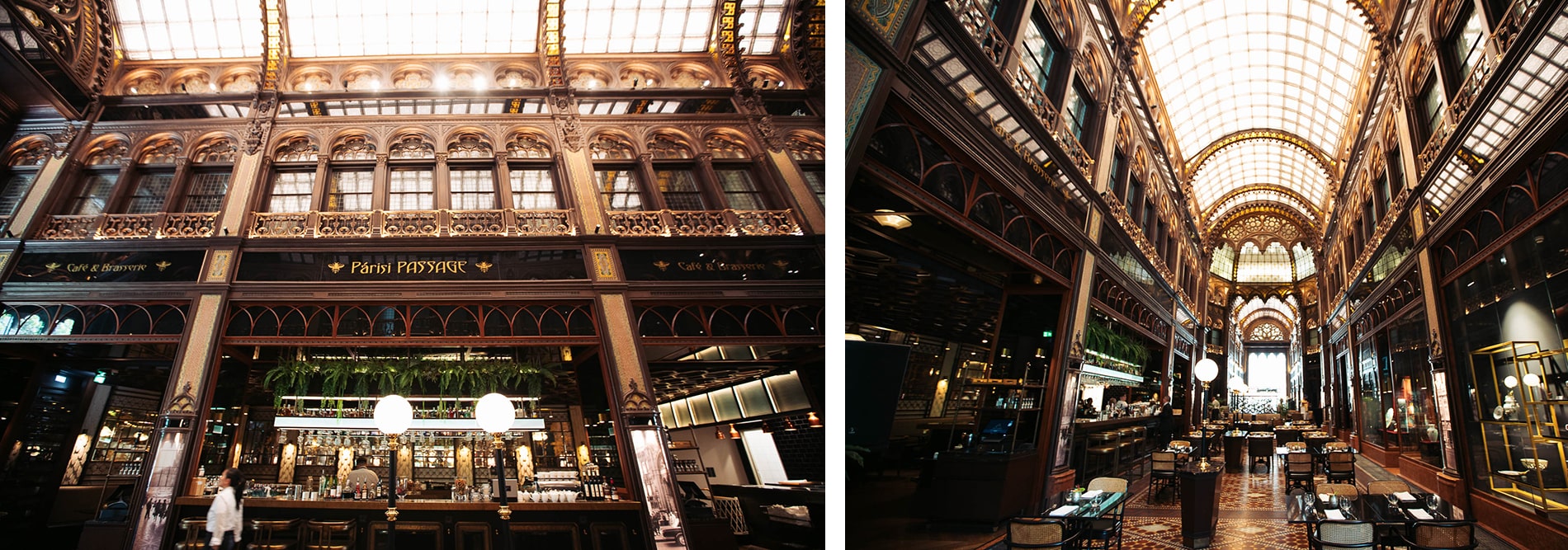
The Párisi Udvar passage, which has become a Hyatt hotel, is a perfect example of Art Nouveau. It was originally a covered passage like those in Paris, with interior decorations influenced by Persian and Indian styles. A café offering beautiful and delicious pastries lets you discover this magnificent place, which has lost none of its splendor since its creation. We highly recommend it.
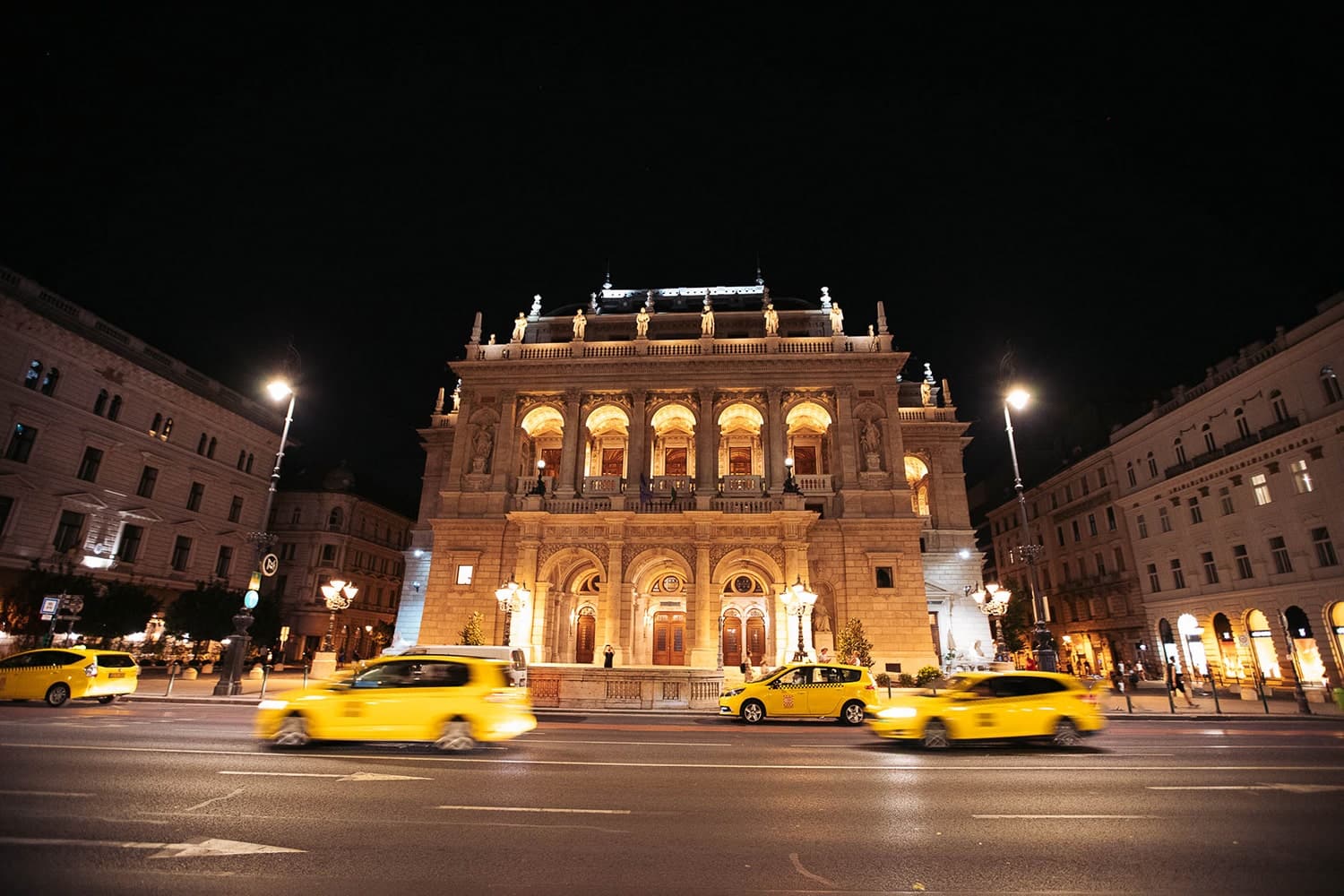
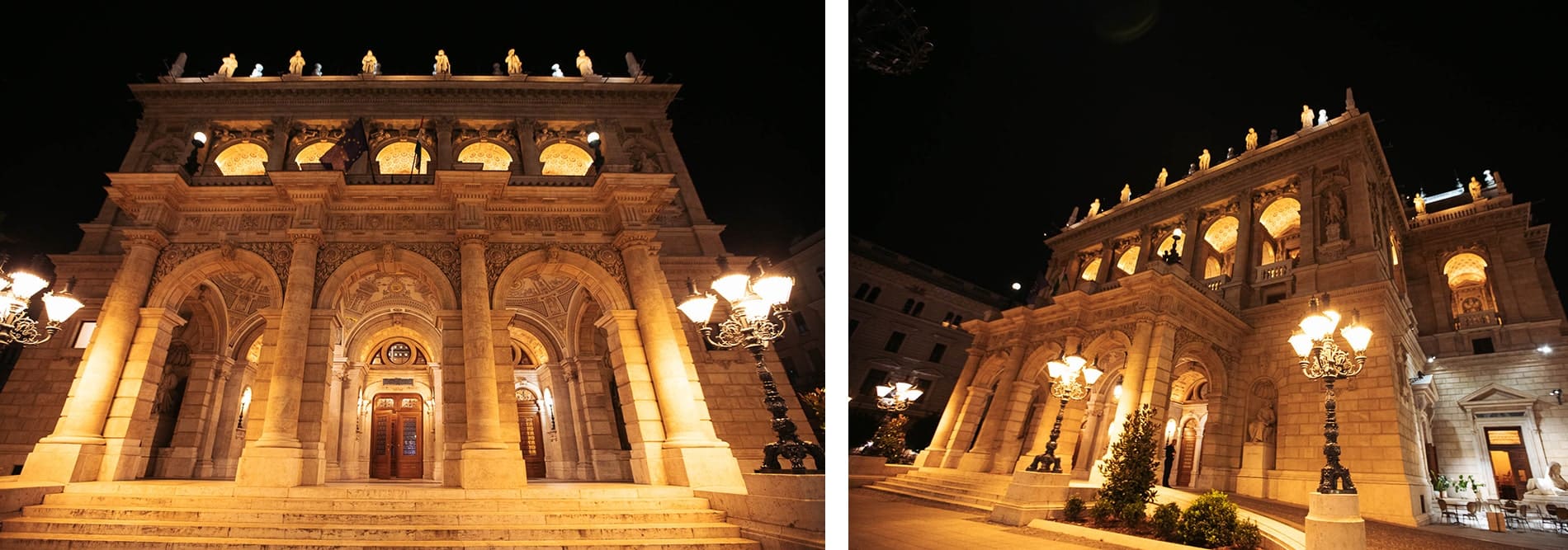
You can also opt for a visit to the Budapest Opera House. Built at the same time that tourism was developing, it was the building the city and country needed to promote their culture within this idea of independence. Today, this opera house remains one of the highest-quality venues in the world in terms of both programming and acoustics, alongside Paris’s Garnier Opera. A place designed for performances for the bourgeoisie of the time—where people came to see and be seen—yet leaving us a rich architectural heritage with its Neo-Renaissance style enriched by Baroque influences. You can, of course, choose to attend an opera or ballet performance according to the schedule to experience the place, or take a very interesting 1-hour guided tour to discover the building’s secrets and its conception.
➡️ I book a slot here to visit the Budapest Opera House➡️ I book a guided tour here to discover Budapest’s Art Nouveau
| BUDAPEST’S THERMAL BATHS
Budapest has the unique feature of sitting on underground thermal water tables that emerge at temperatures up to 77°C, making it a rarity for a capital and a must-see when visiting the city.
Built in the late 1500s by the Turks (Ottomans), the city’s main thermal baths took on their current form at the end of the 19th century. The thermal baths, with their historic ambiance, offer a unique relaxation and wellness experience in majestic buildings, each with its own characteristics but all bearing the “Art Nouveau” touch.
-
Széchenyi Baths
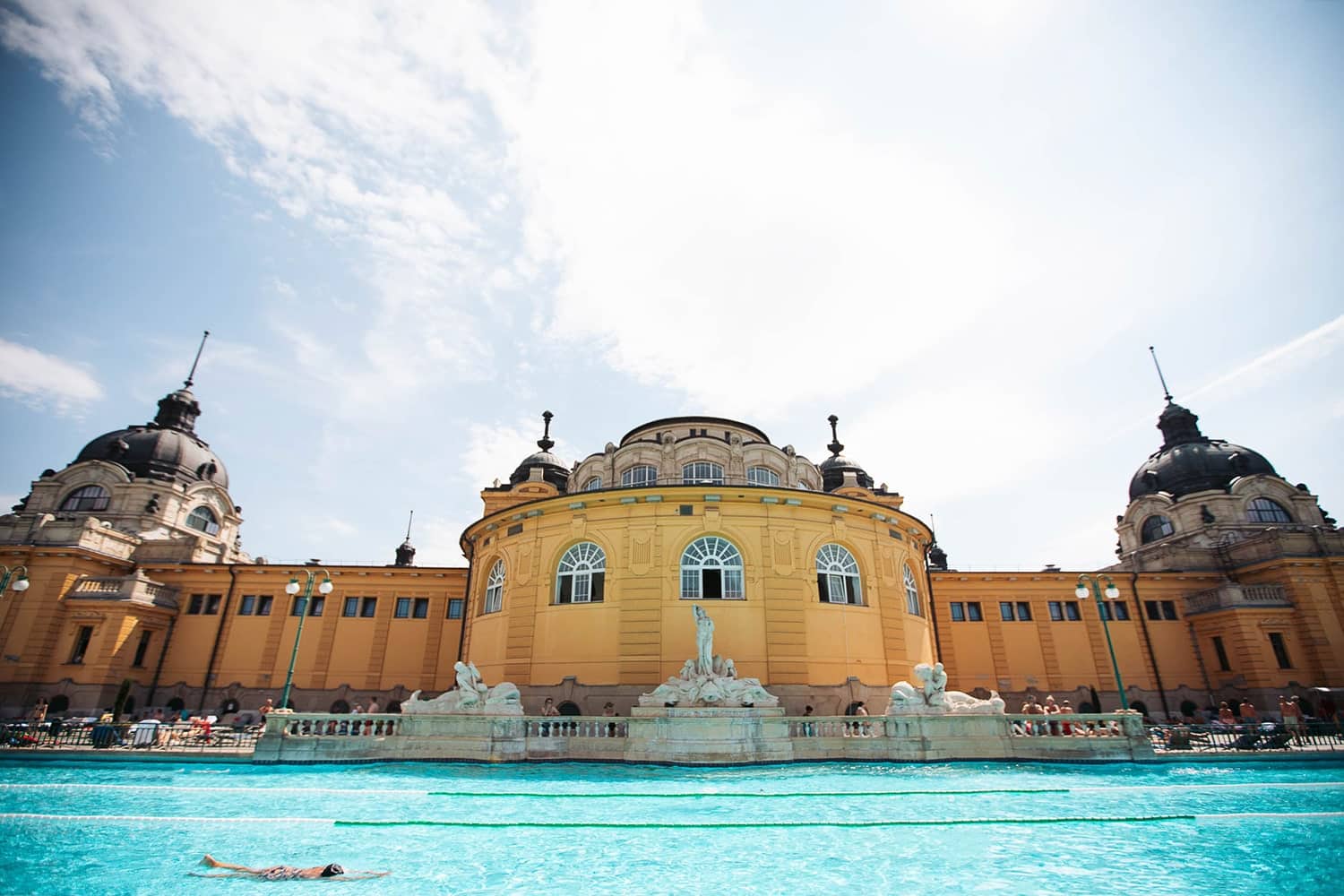
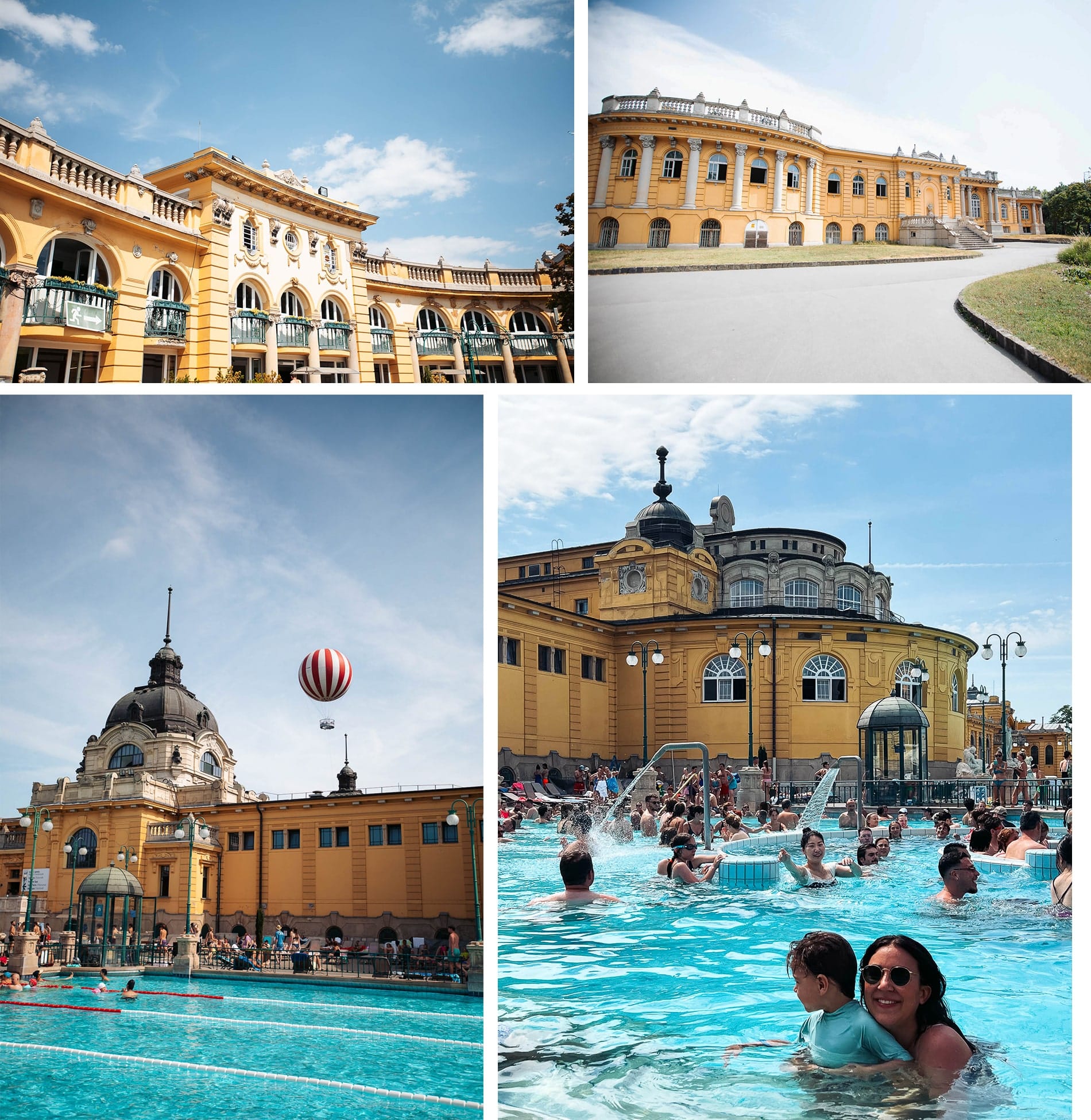
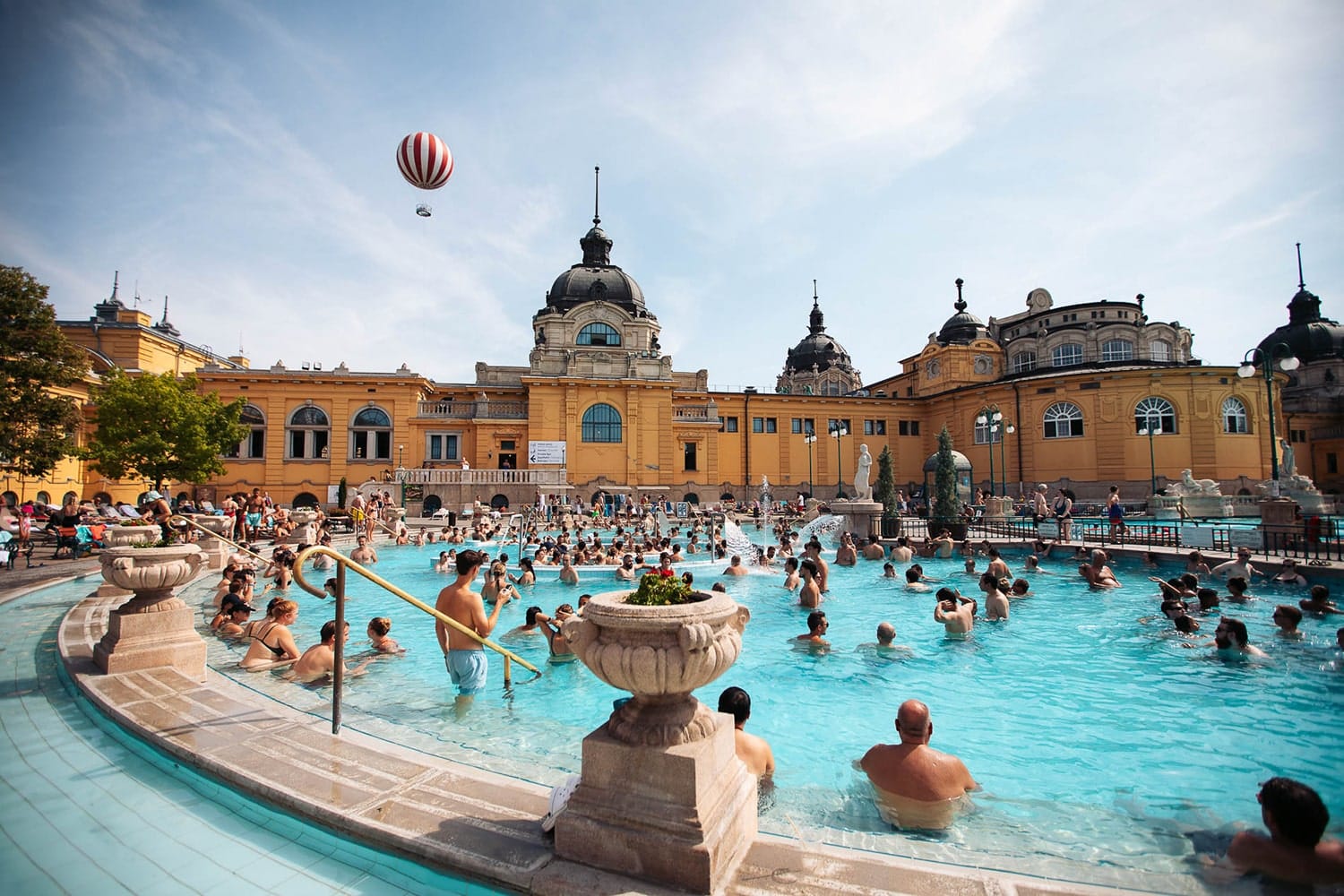
The Széchenyi Baths are the most popular of the three, thanks to their architecture. Opened in 1913 and located in City Park (Városliget) at the end of Andrássy Avenue, they are the largest baths in Budapest with 21 pools, including 3 outdoor pools (including the lap pool, which requires a swimming cap), saunas, steam rooms, and the most family-friendly layout.
Visiting here means walking through the history of a lavish era at every corner of the building—from the ornamentation around the large glass doors in the entrance hall to the corridors marked by columns and richly patterned tile floors, wooden changing cabins in the locker rooms, and Art Nouveau adornments around the pools. The yellow hue of the walls is so characteristic of the empire.
The baths are very busy in summer, so come early if you want a sun lounger and don’t mind the crowds. At other times of the year, it’s a different pleasure to bathe in 40°C pools when outdoor temperatures drop.
Bonus: Széchenyi Baths feature a Beer Spa. Tickets can be booked online for 45-minute sessions. The concept: a bath in thermal waters infused with brewer’s yeast, with a beer tap at your disposal. This package includes full-day access to the baths.
If you come with young children, these baths are the most suitable for them and for swimming. The pools are easily accessible from the sun loungers, in full sun with relatively warm water, and have steps to sit and play. Plus, the toilets and locker rooms are right next to the sun loungers, very convenient if you stay half a day or all day
➡️ I book my Széchenyi Baths entry in advance here 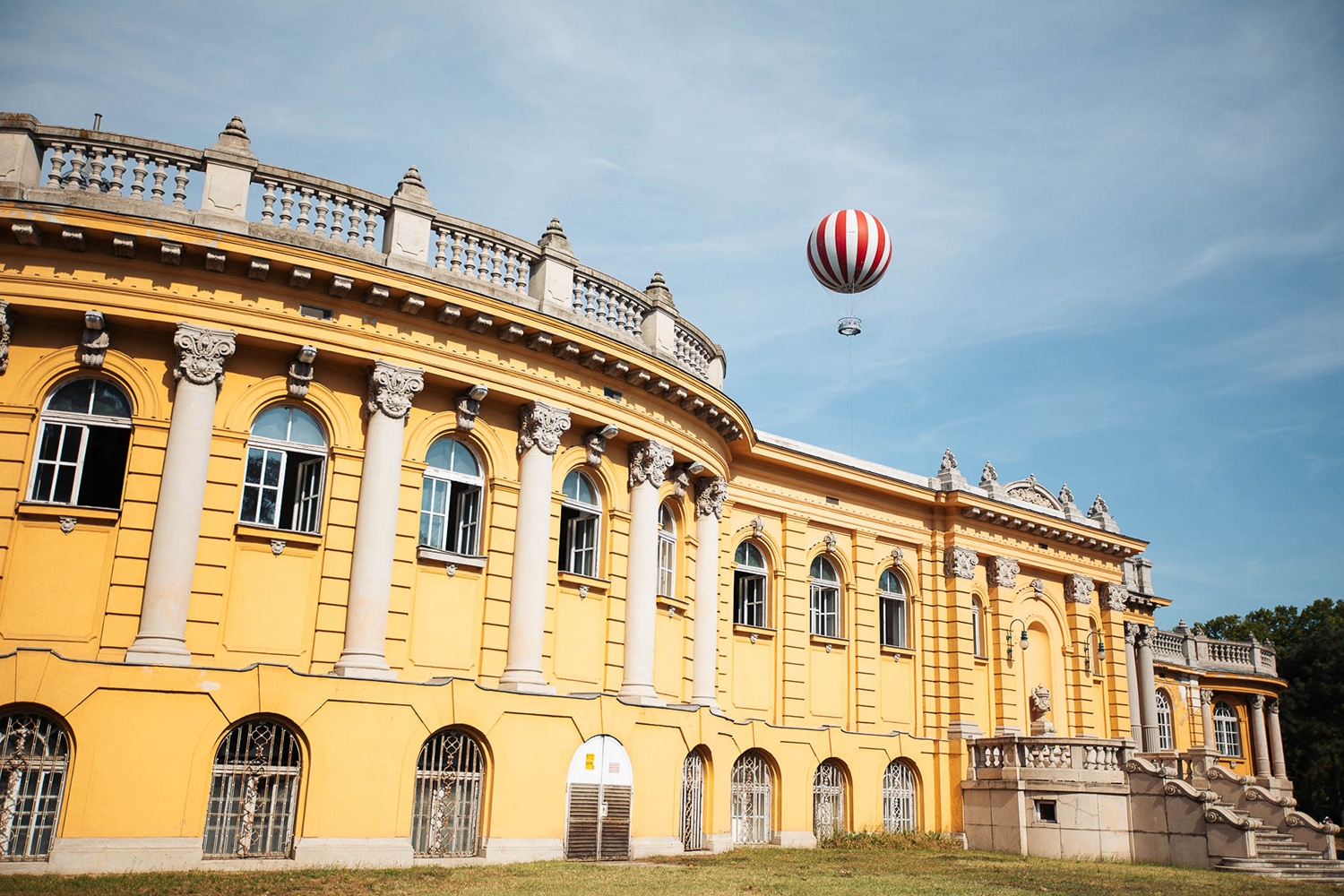
-
Gellért Baths
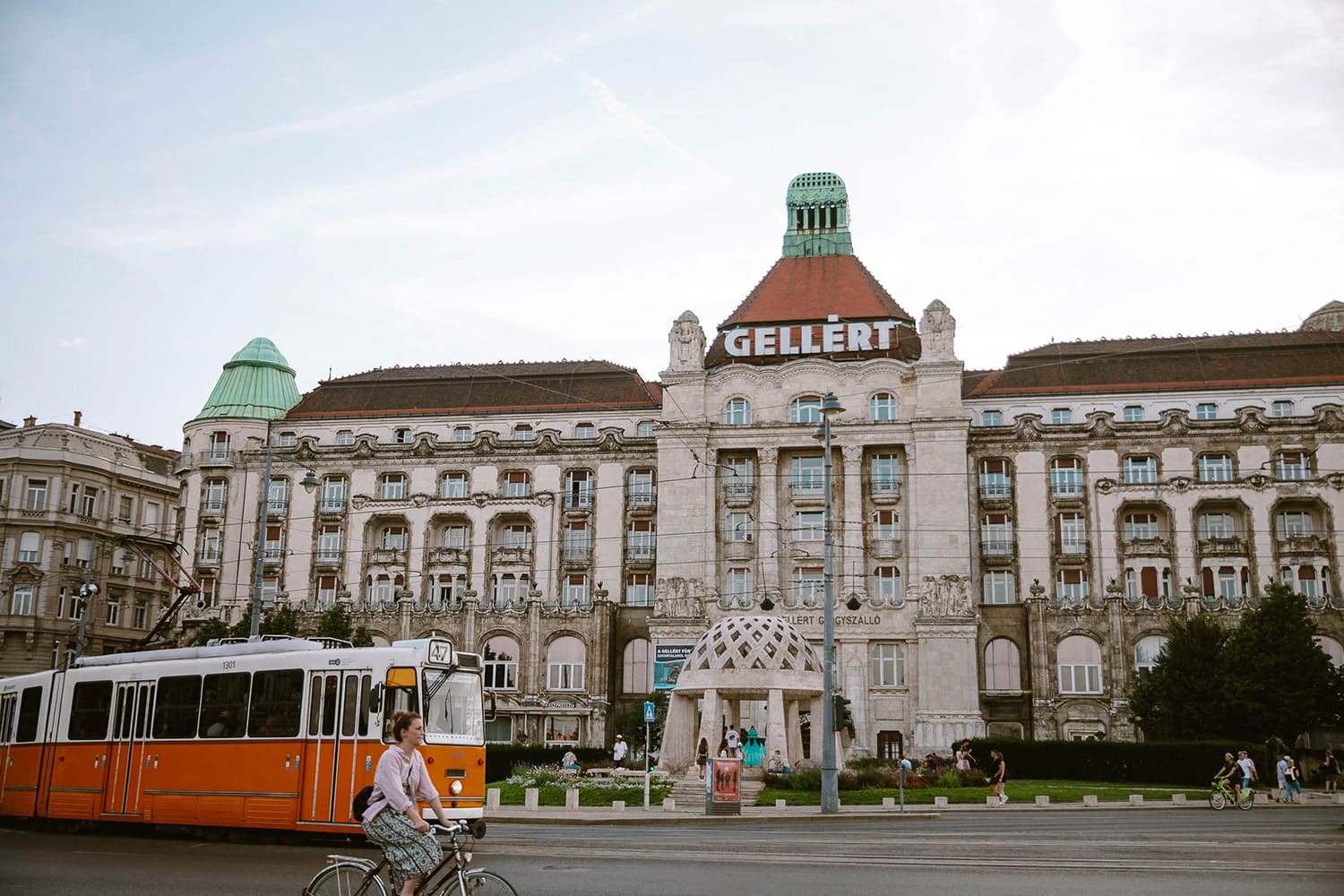
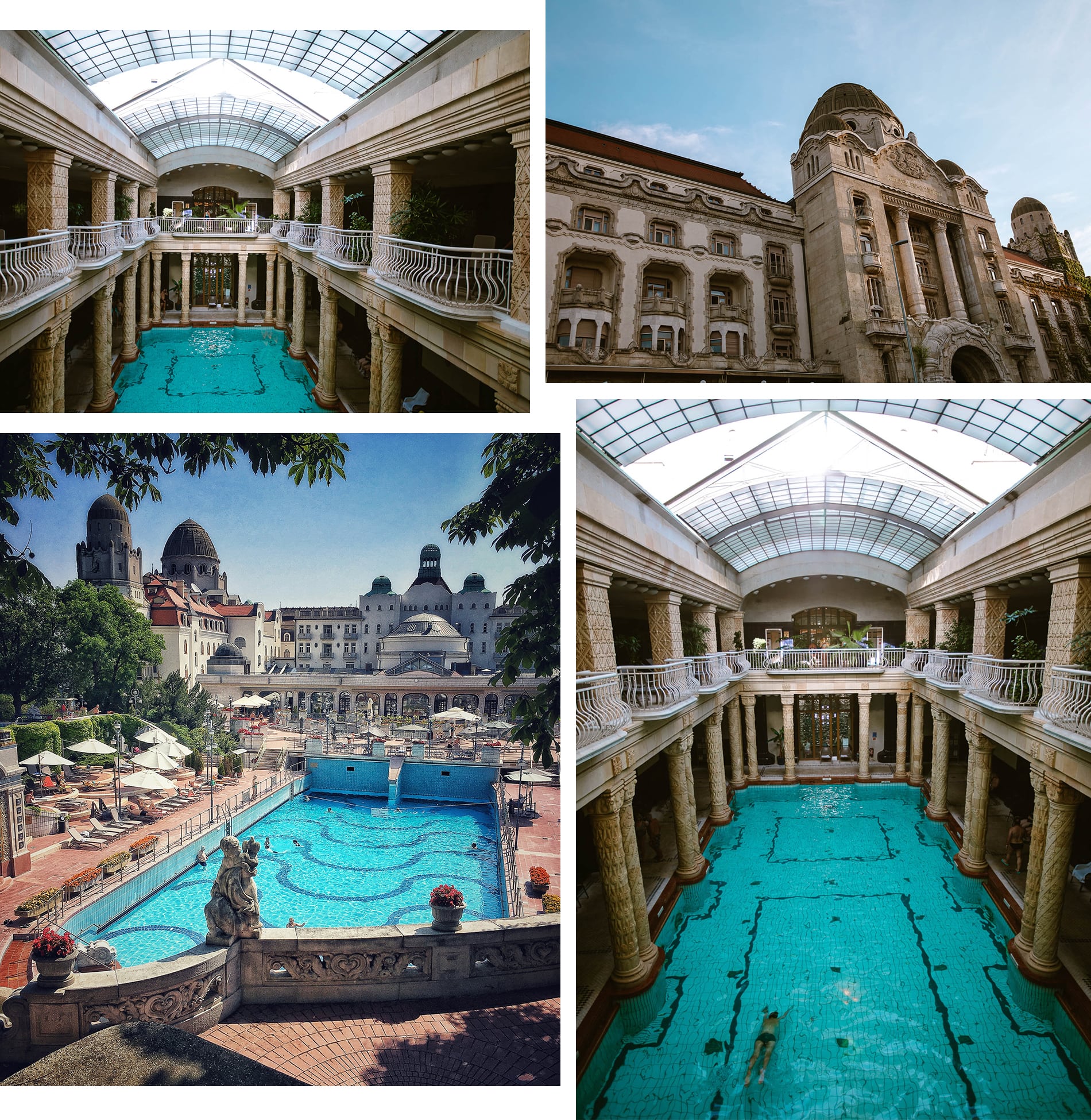
The Gellért Baths share the same historic vibe as Széchenyi since they date from the same construction period but are perhaps even more marked by Art Nouveau influence. Opened in 1918, they have retained their original features with lovely indoor pools decorated with mosaic frescoes and a swimming pool, all surrounded by columns in a Roman spirit with balconies above and a large retractable glass roof adding a majestic, poetic touch.
Attached to a high-end hotel built at the same time and still operating, the baths feature two outdoor pools (one at 36°C) and four indoor pools, including a lap pool (where a swimming cap is mandatory—they sell them on site).
These baths are less popular than Széchenyi’s, likely because they are smaller with more limited outdoor space and a pricier bar/restaurant. The outdoor area is also less child-friendly, as pools become shaded and cool in the late afternoon. Plus, there are no small steps for little ones to splash and the pool depth is less suitable for toddlers.
2024 entry fees for Széchenyi and Gellért (1€ ~ 390 HUF)
-
- 10,500 HUF Monday–Thursday
-
- 12,000 HUF Friday–Sunday
-
- Cabin: 1,000 HUF
- Beer Spa: 32,500 HUF
You can get a 20% discount with the Budapest Card for a basic entry without a cabin at Széchenyi, and each bath offers treatments and massages bookable online on their website.
-
Szent Lukács Baths
These baths are arguably the most authentic, as they are primarily frequented by locals. Located on the Buda side near the Danube and Margaret Island, they were renovated in 1884 on existing baths and again in 1999. Architecturally simpler and less lavish, they nonetheless feature three outdoor pools, several indoor pools, a sauna, and a steam room, offering a more peaceful atmosphere due to lower tourist traffic.
Cost of entry 2024 – (1€ ~ 390 HUF)
-
- 4,800 HUF on weekdays
-
- 5,200 HUF on weekends
-
- Cabin: 1,000 HUF
- Sauna: 1,200 HUF
➡️ I book my Szent Lukács Baths entry in advance here
If we had had more time, we would have loved to test in this beautiful establishment a relaxing, refreshing spa for an awesome experience. Book your entry here to secure availability
| BUDAPEST’S MUSEUMS
Budapest is also rich in museums. Several of them deserved a visit, but choosing means giving up something else, right?
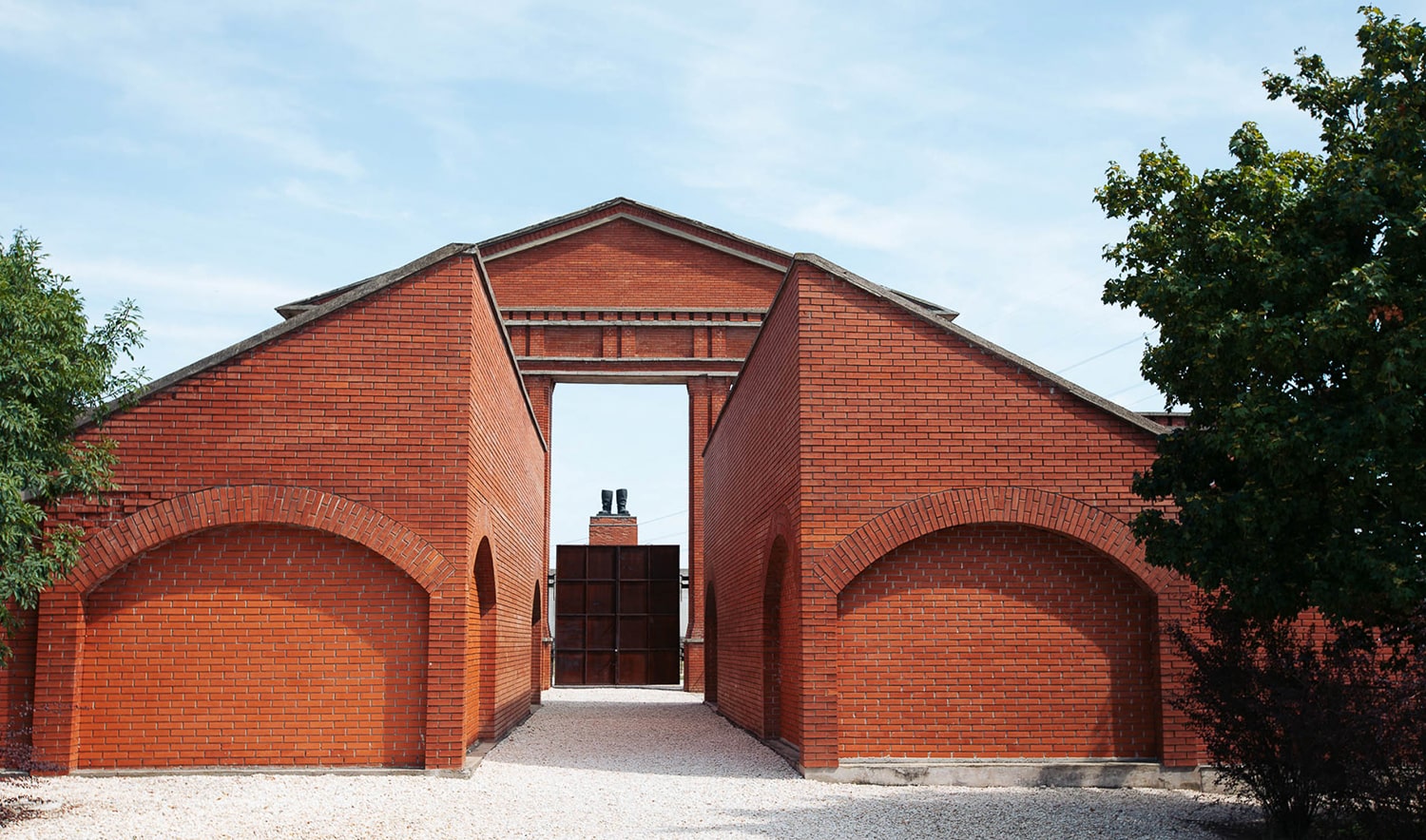
We decided to focus on a slice of Hungarian history—communist times—by visiting the Memento Park, also called the Statue Park. Located on the Buda side about 25 minutes by public transport from Deák Ferenc tér, it gathers statues and monuments commissioned by the regime or gifted by neighboring countries during communist times. They aimed to cement the party’s ideological propaganda. You’ll be immersed in the atmosphere upon arrival, with an era-appropriate radio broadcasting period music and speeches. Even if you don’t understand the words, the grainy sound plunges you into the austere climate of a period none of us would have wanted to live through!
Notable monuments include Stalin’s boots, the remains of his 8-meter-tall statue that once stood atop a massive platform and served as the backdrop for his speeches. That statue was destroyed during the 1956 revolution by a populace exasperated by the regime’s harshness. You will also see statues of Lenin and Marx, be amazed by the gigantic Red Army soldier statue, and by the statue symbolizing the Hungarian Council Republic.
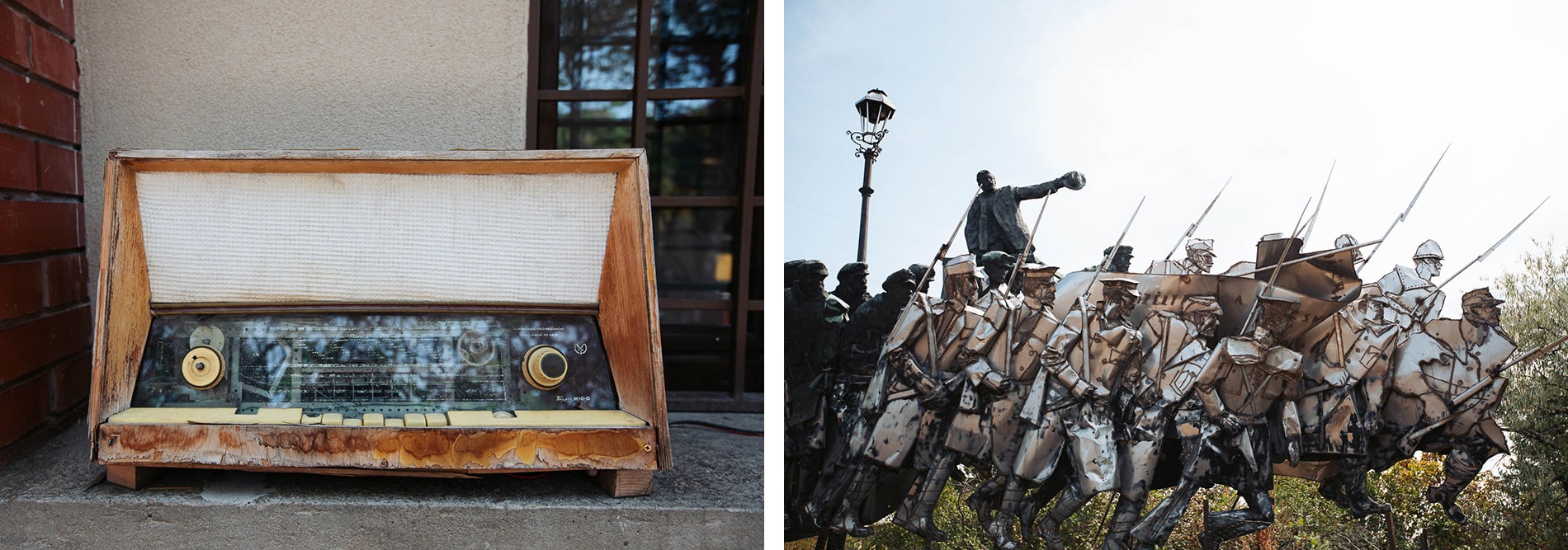
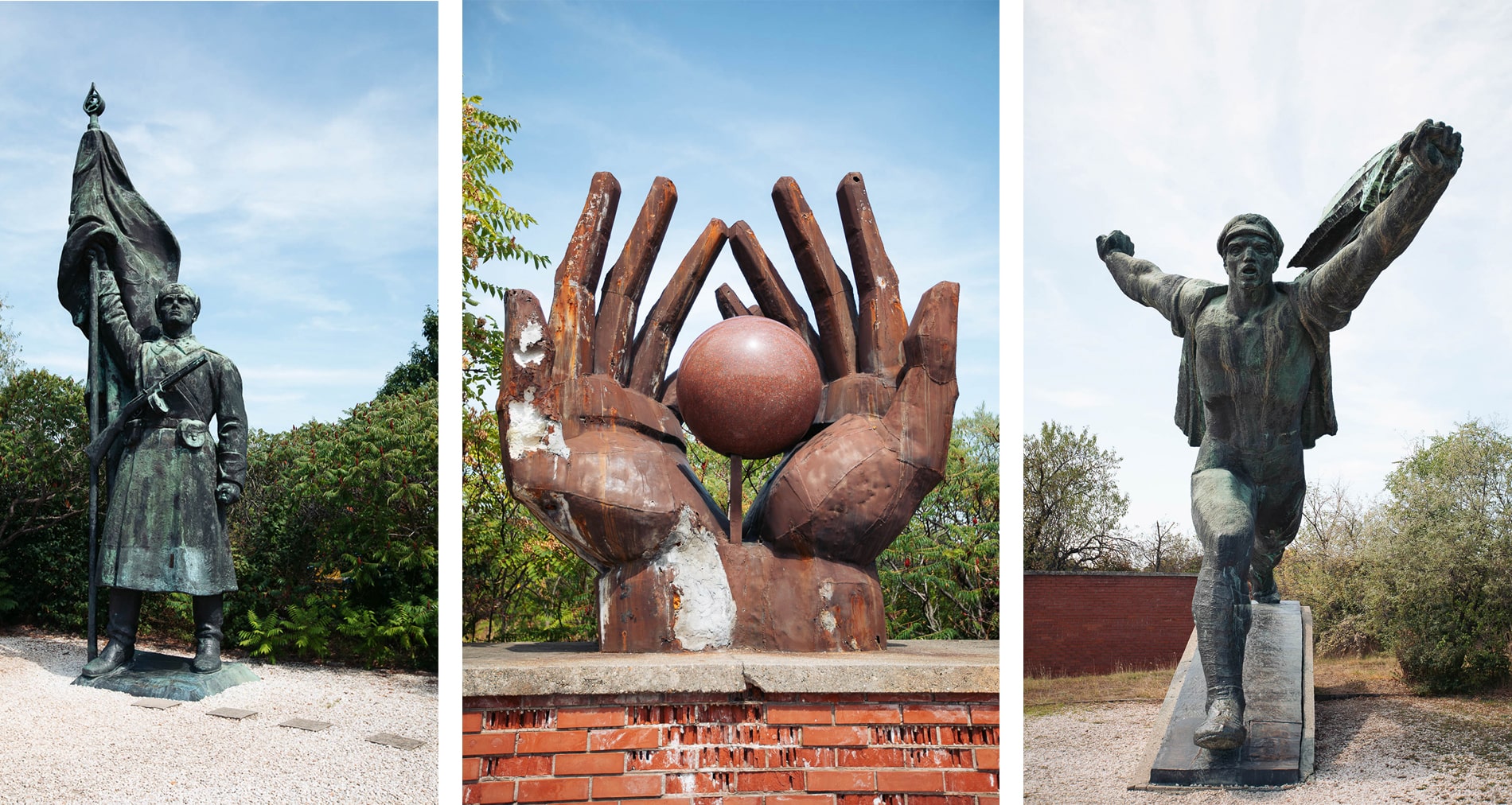
This open-air museum is complemented by an exhibition explaining the historical context and a well-made film detailing the communist regime’s surveillance methods, especially during the “terror” period to eliminate dissidents. This museum is very educational and easy to visit with children as it’s outdoors, not too large, and relatively quick to tour. Allow about an hour to see everything, or more if you want to delve into each work’s story. We also wanted to visit the House of Terror Museum in the former communist regime building in central Pest, but it was much less suitable for visiting with a young child.
➡️ I book a guided tour on communism in Budapest here➡️ I book a guided tour of Memento Park and communist icons here
Among the city’s other museums, you can choose to visit the Vasarely Museum dedicated to this emblematic artist, the House of Music housed in a modern building in the heart of City Park highlighting classical music, or the Museum of Fine Arts for both the beauty of its building and the works on display.
Budapest also has more unusual, quirky, interactive, and fun museums—there’s truly something for every taste and traveler profile. Here’s a selection of museums below; just click on each to check availability and book.
| BUDAPEST MUST-SEES
Hungary being an old country with a rich history, you’ll find many monuments worth seeing. Here are the must-sees on both the BUDA and PEST sides.
THE HISTORIC BUDA DISTRICT
-
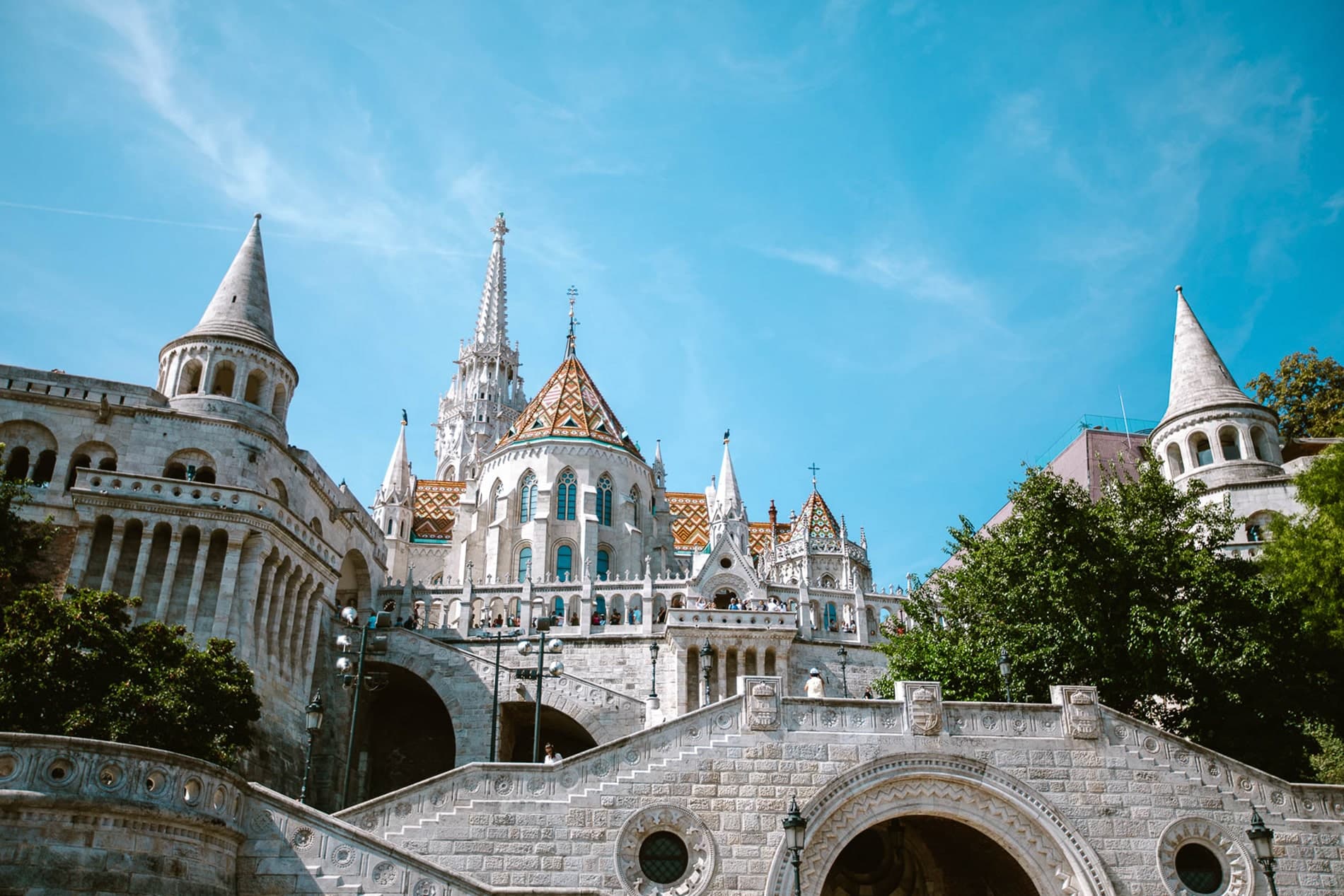
Buda Castle and Fisherman’s Bastion
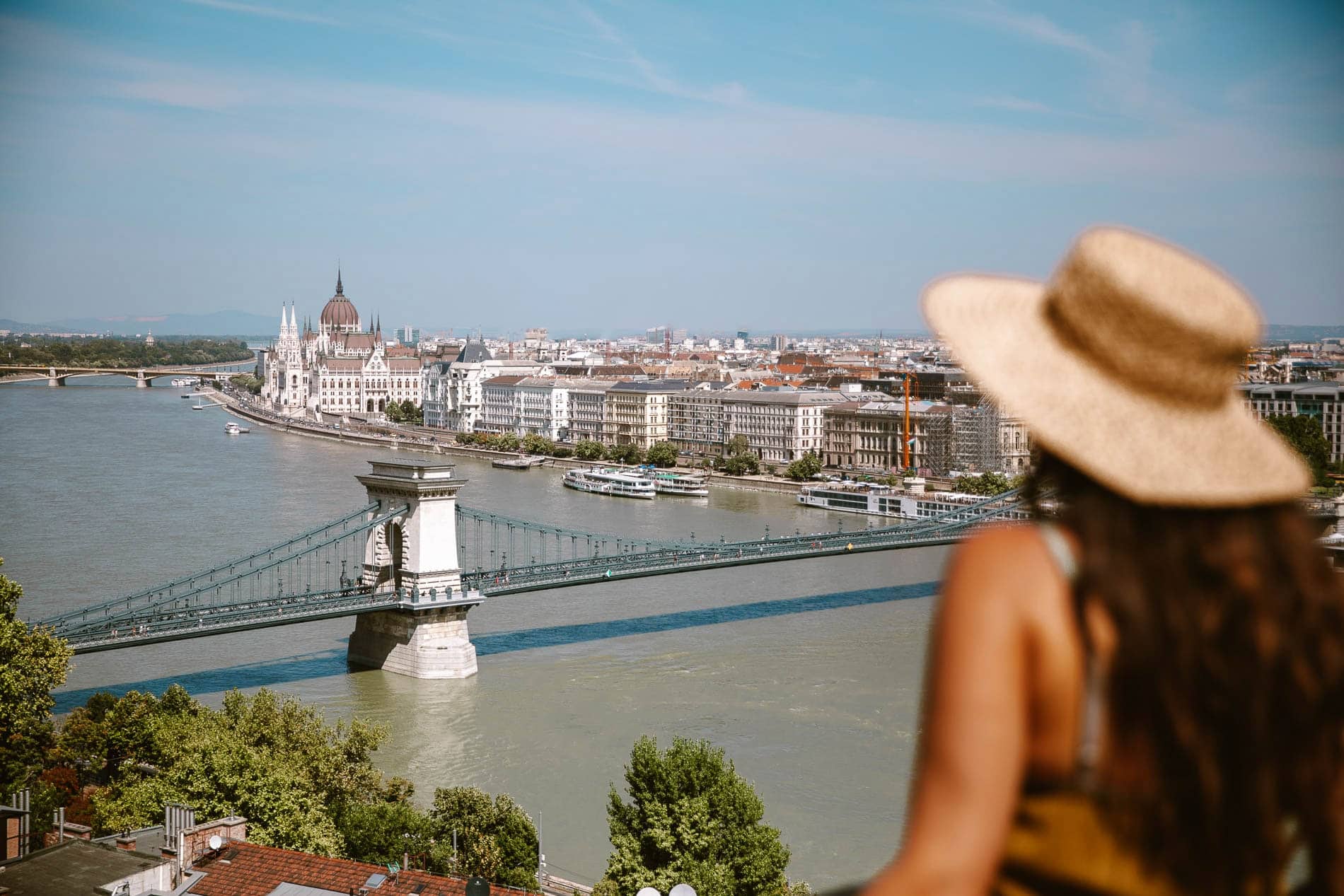
Buda Castle, once the royal residence, is a must-see in Budapest and easily recognizable as it overlooks the city and the Danube. It houses the National Gallery (free with the Budapest Card) showcasing Hungary’s major heritage works, as well as the Budapest Museum. You can get there by bus or take the funicular from the beautiful Chain Bridge. Note it only opens from 8 a.m.! We recommend riding up one way and walking down through the walkways and gardens. The routes are stroller-friendly, with many elevators for easy access.
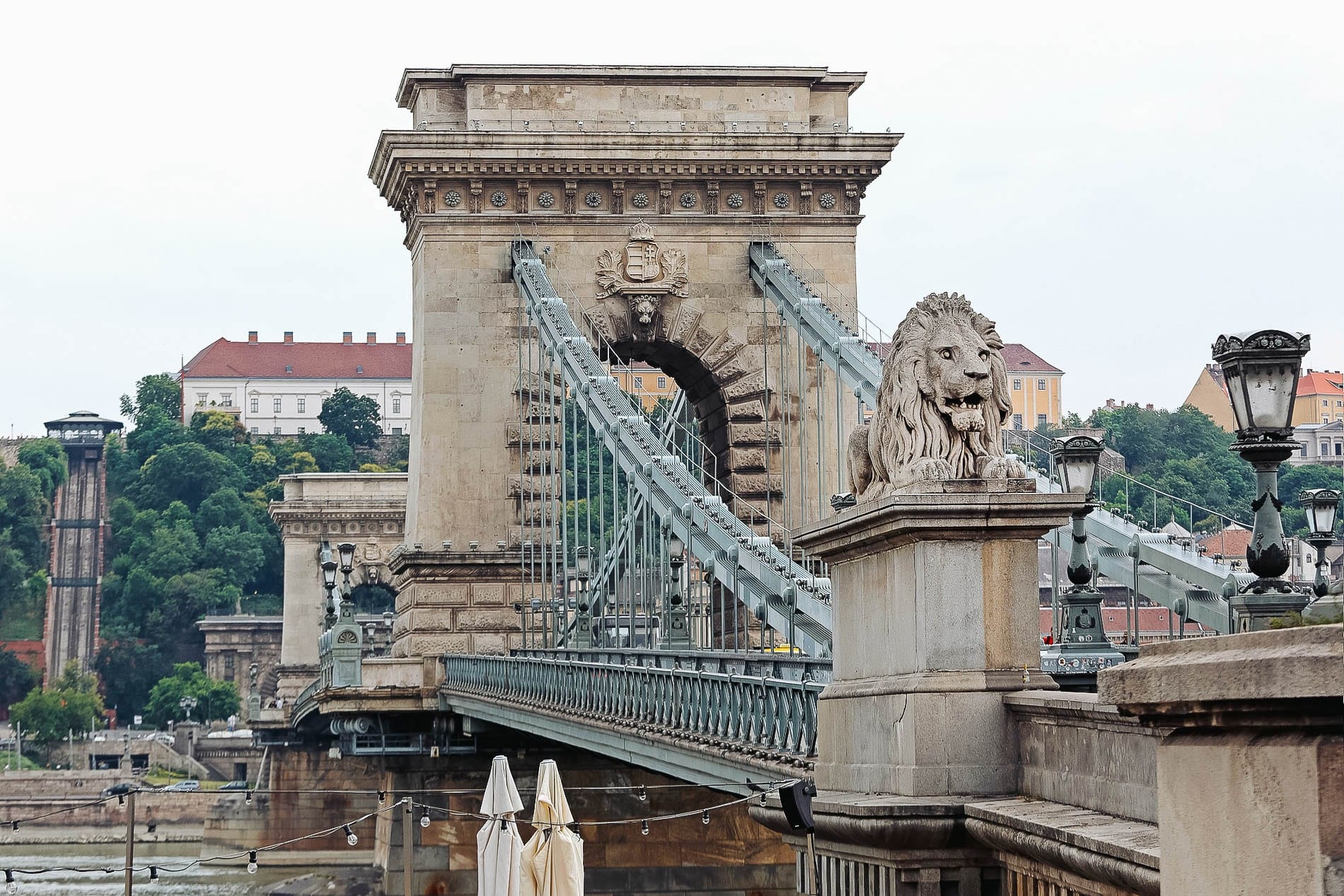
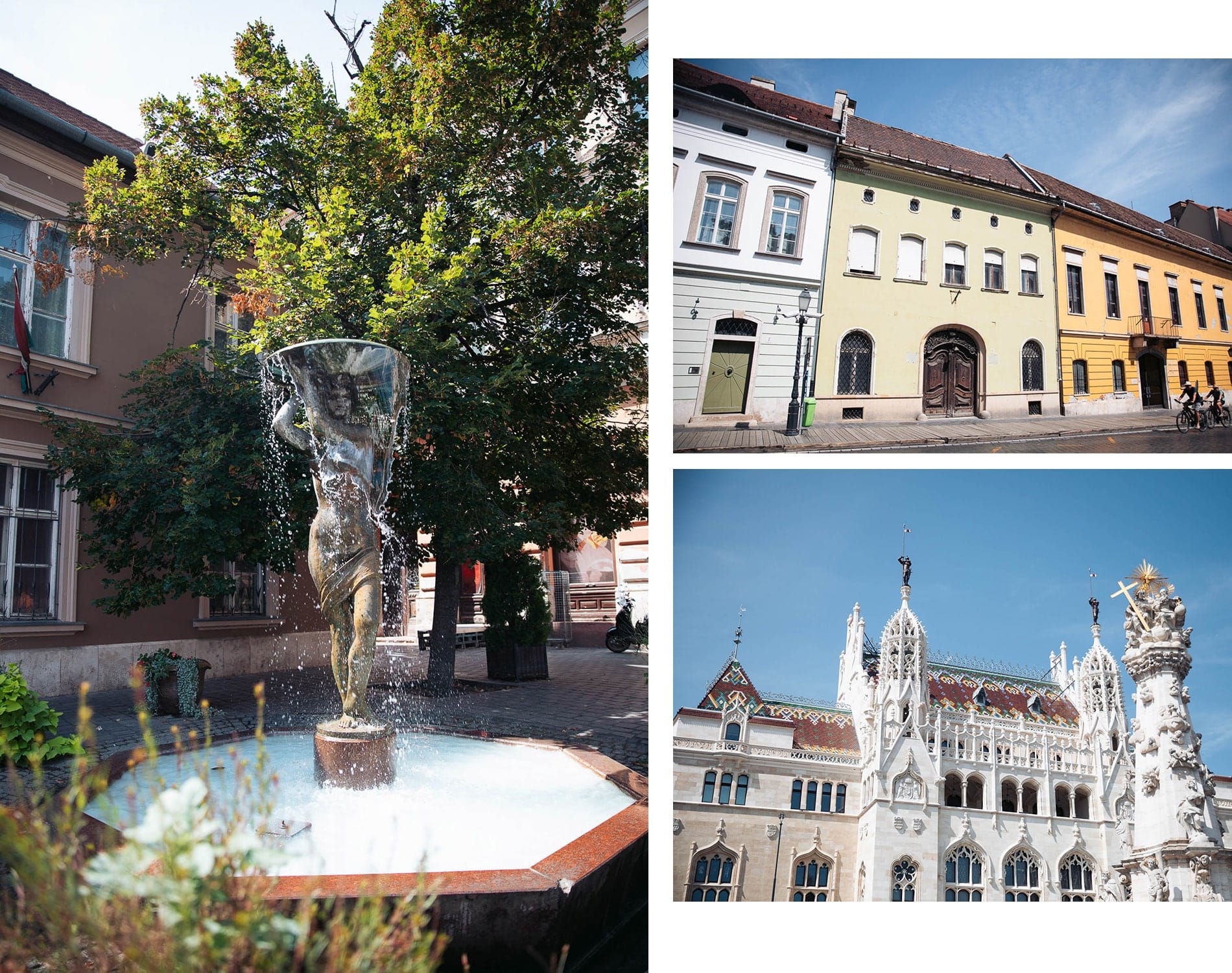 It appears there is a free walking tour with the Budapest Card departing at 2 p.m. from Szentháromság Square, guiding you around the castle. You will explore the historic quarter with a local guide.
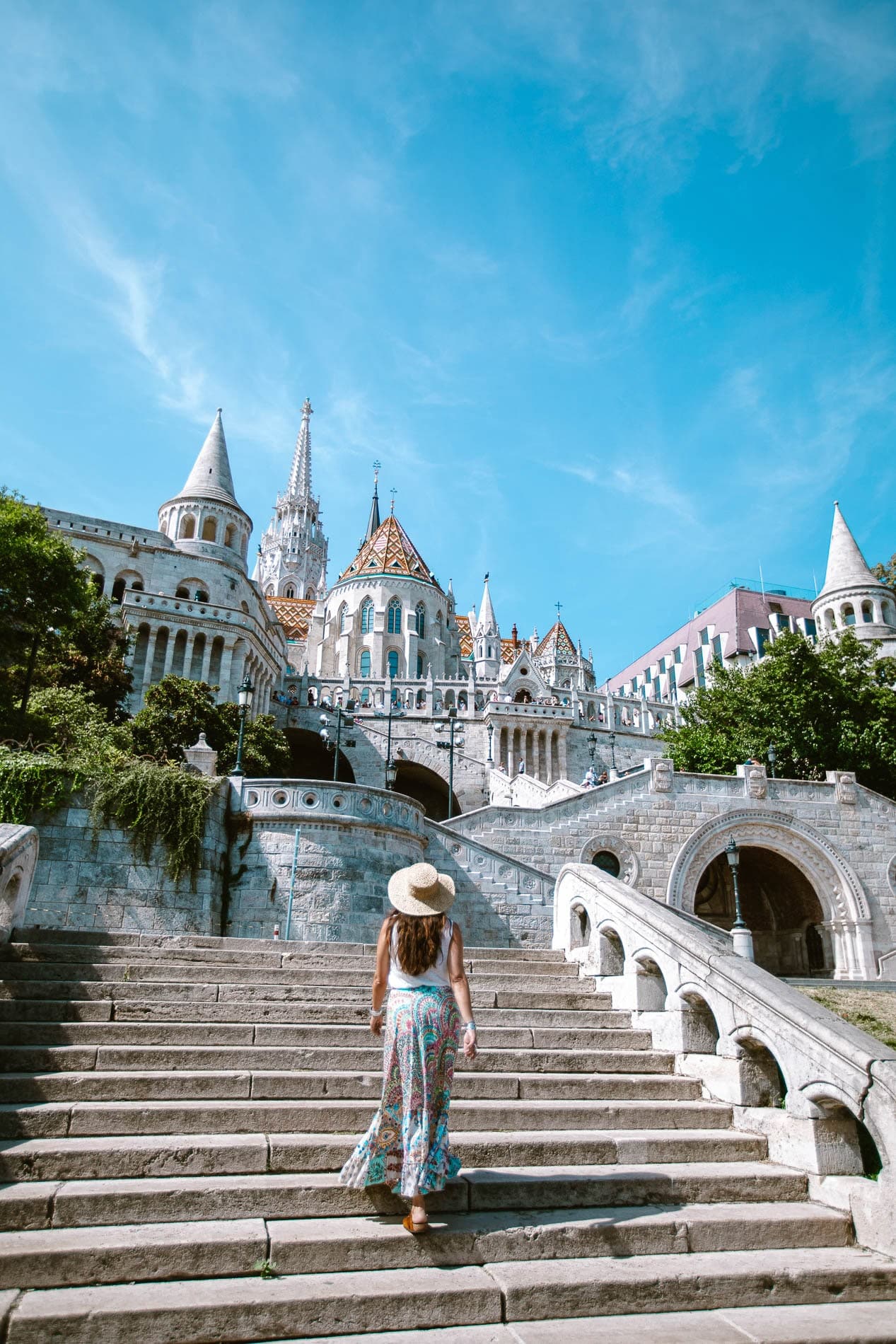
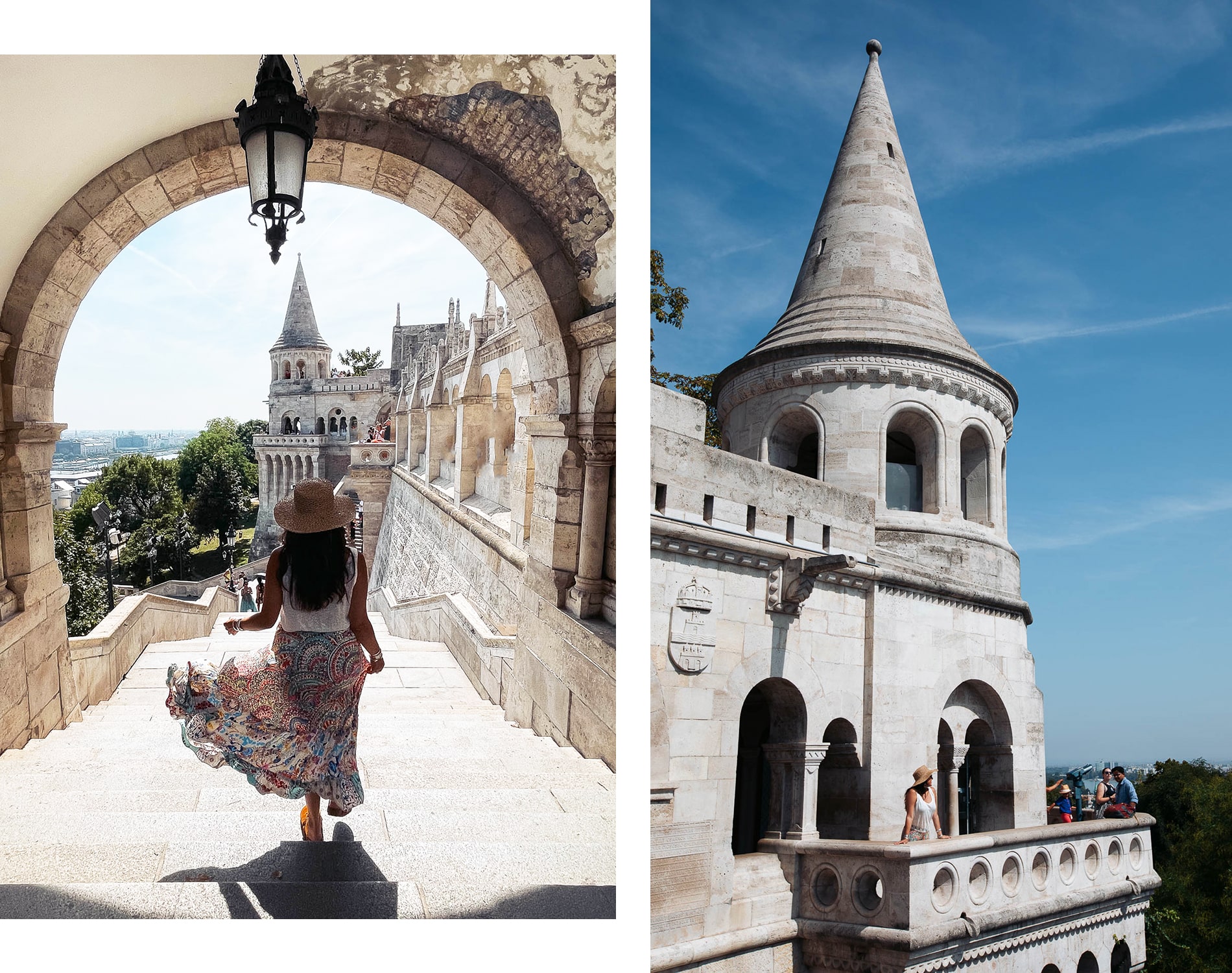
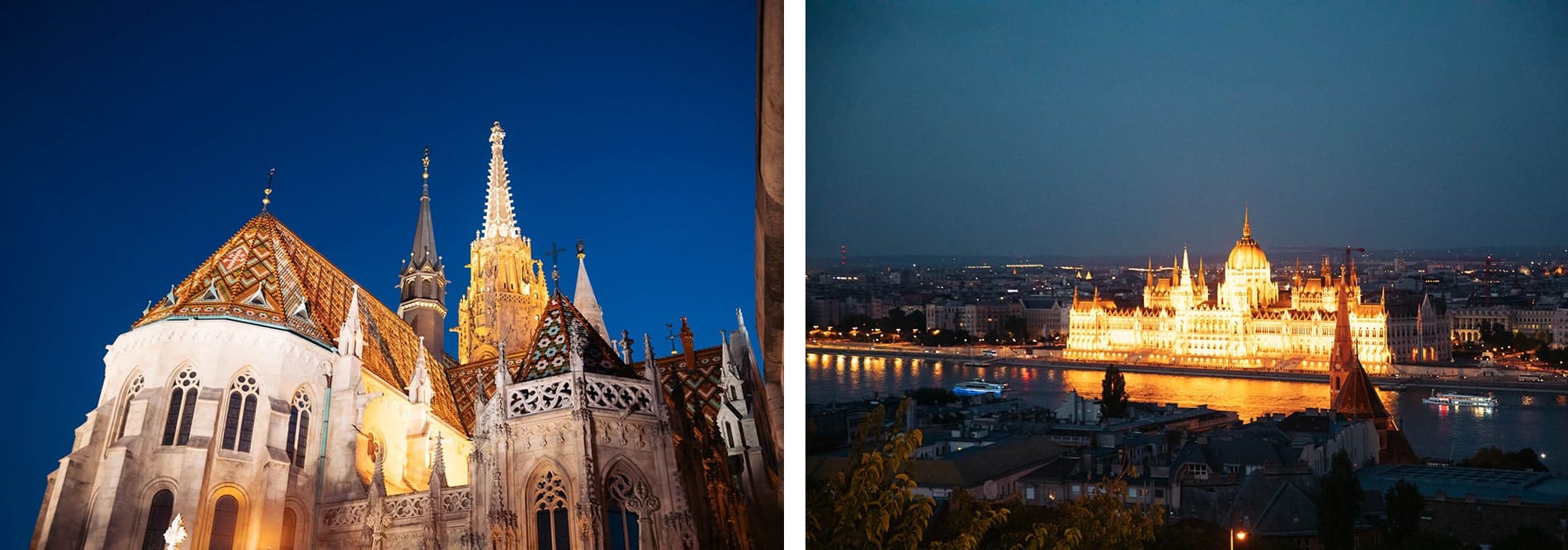
On the same bank, don’t miss the Fisherman’s Bastion. Here you’ll find Matthias Church with its stunning roof reminiscent of the Hospices de Beaune in Burgundy. Built in Neo-Gothic style, it is known for royal coronations, the last of which took place in 1916 under the Habsburgs. It is open for visits, free with the Budapest Card, and you can even attend a classical music concert—a truly unique experience.
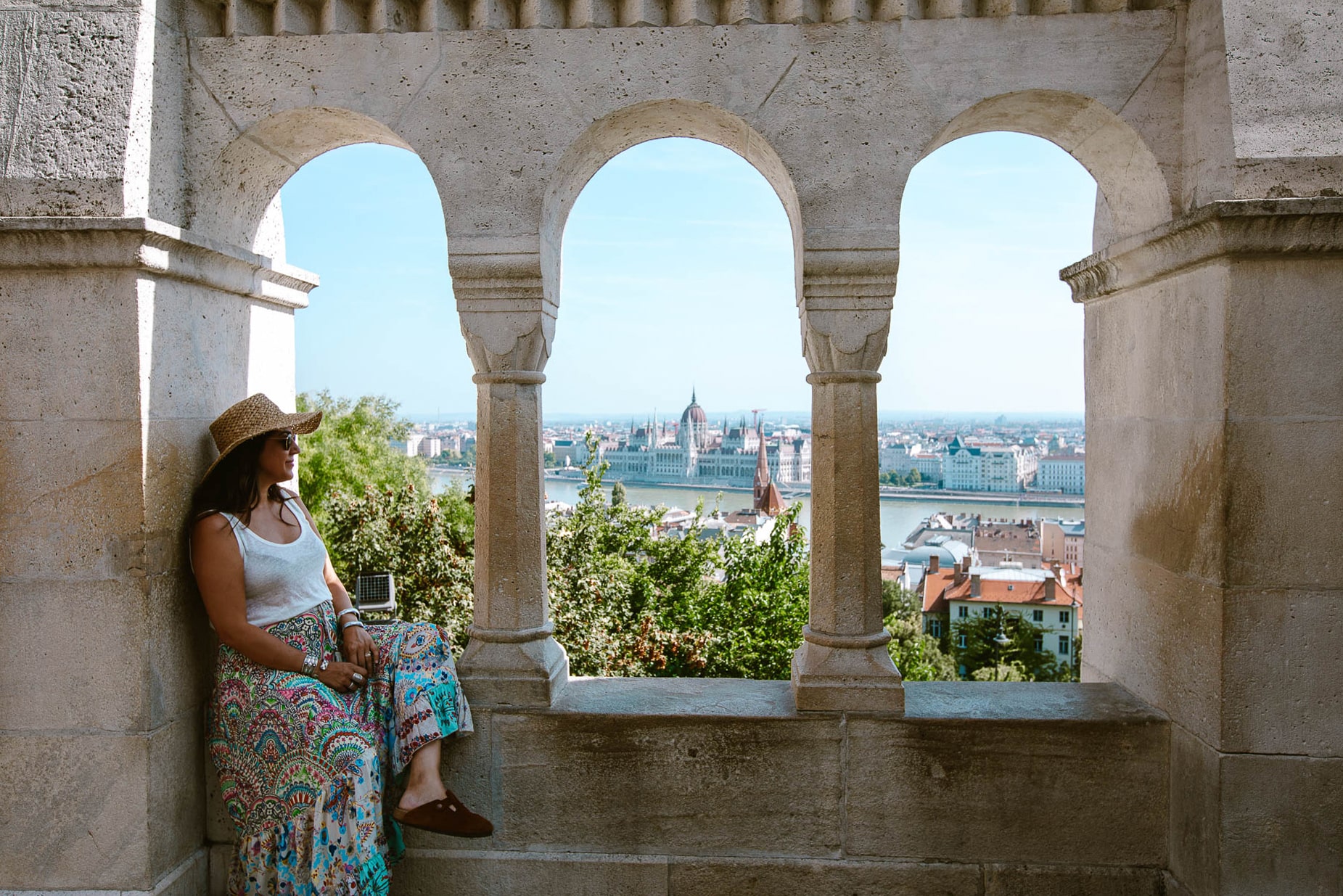
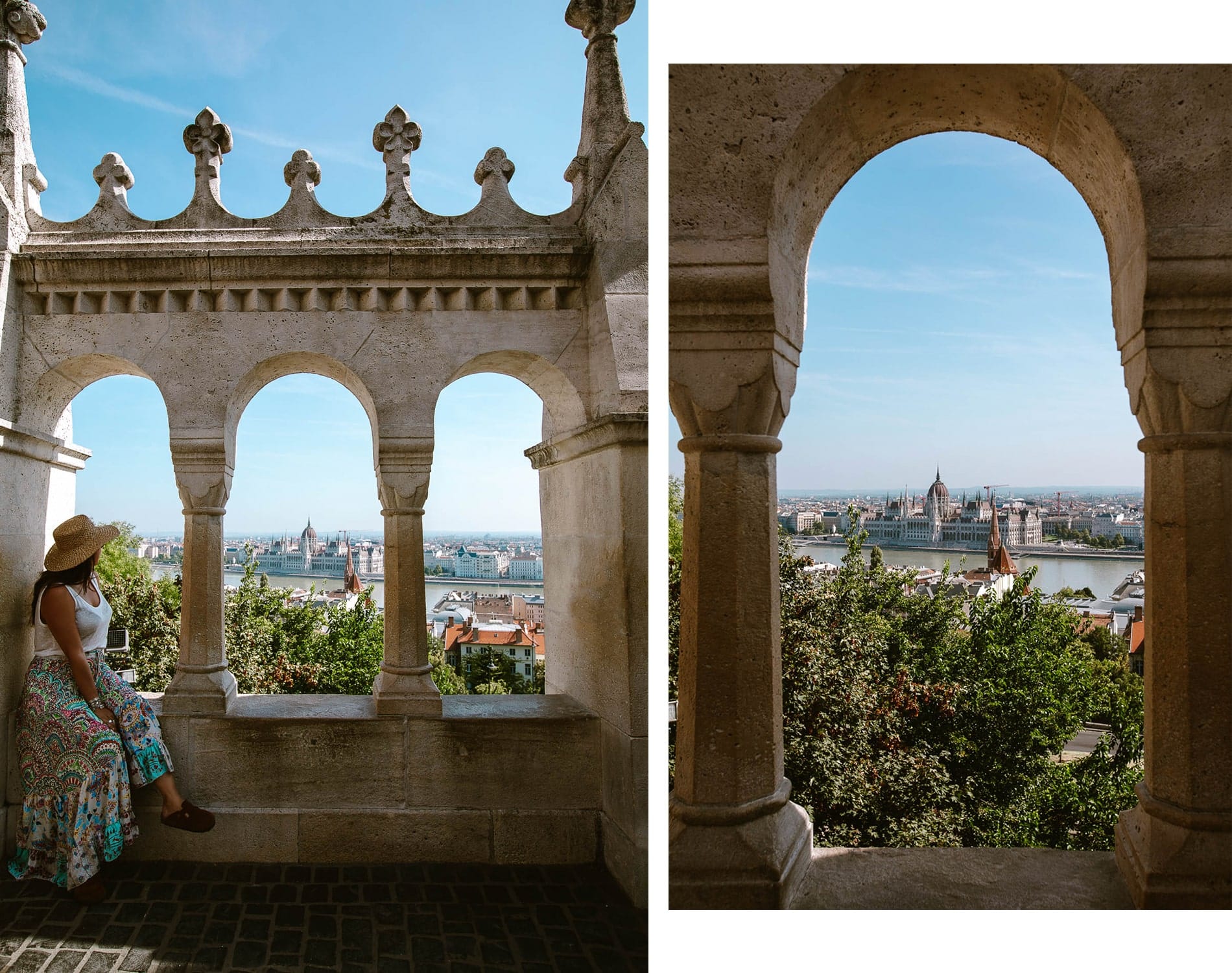
From Trinity Square, also called Fisherman’s Bastion—named after the fishermen who once sold their catch there—you get a magnificent view of the Hungarian Parliament on the opposite Danube bank. It’s especially beautiful at the end of the day and at night. However, be aware it gets very crowded during the day and evening, so go early in the morning.
THE HISTORIC PEST DISTRICT
-
The Hungarian Parliament, St. Stephen’s Basilica, the Synagogue
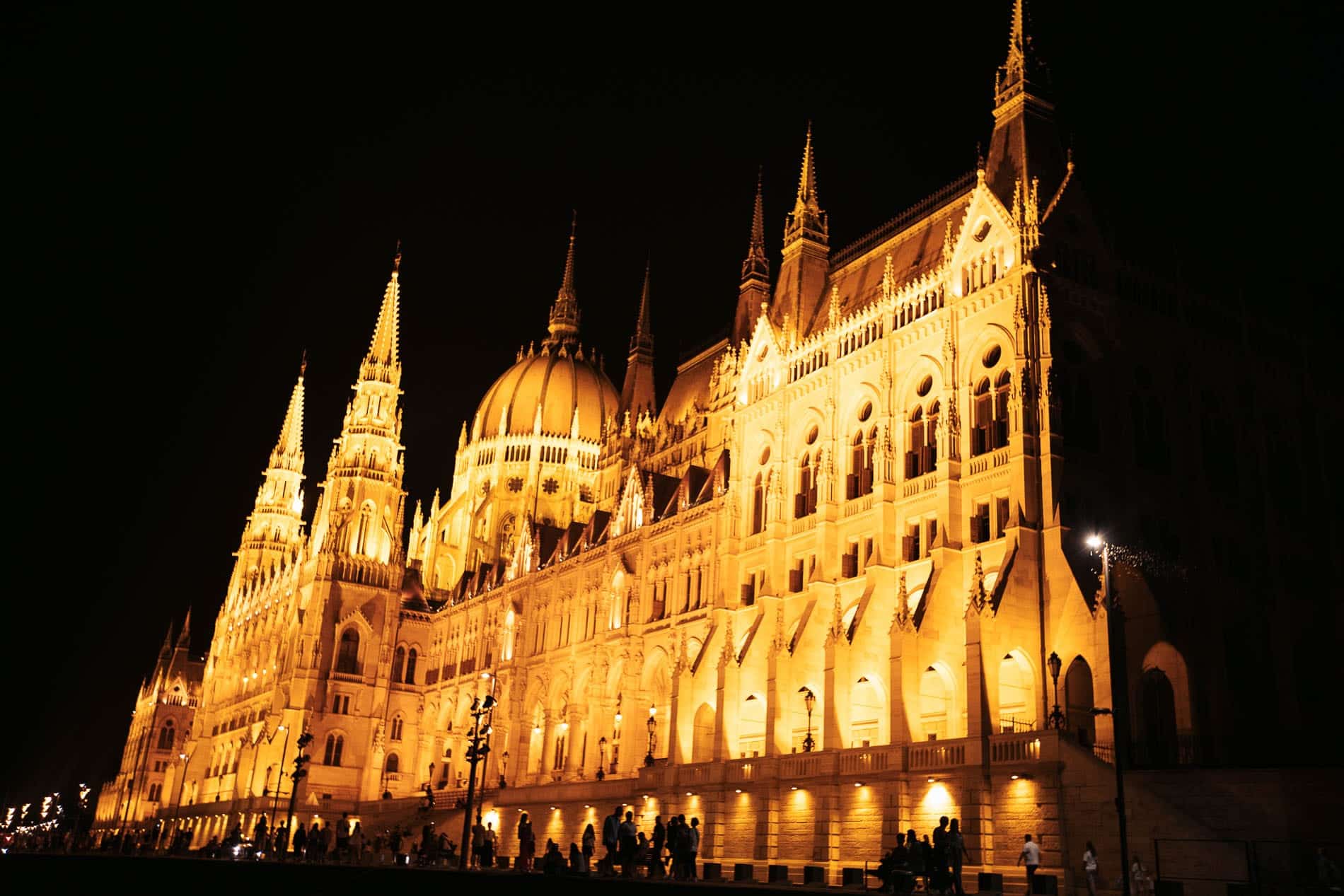
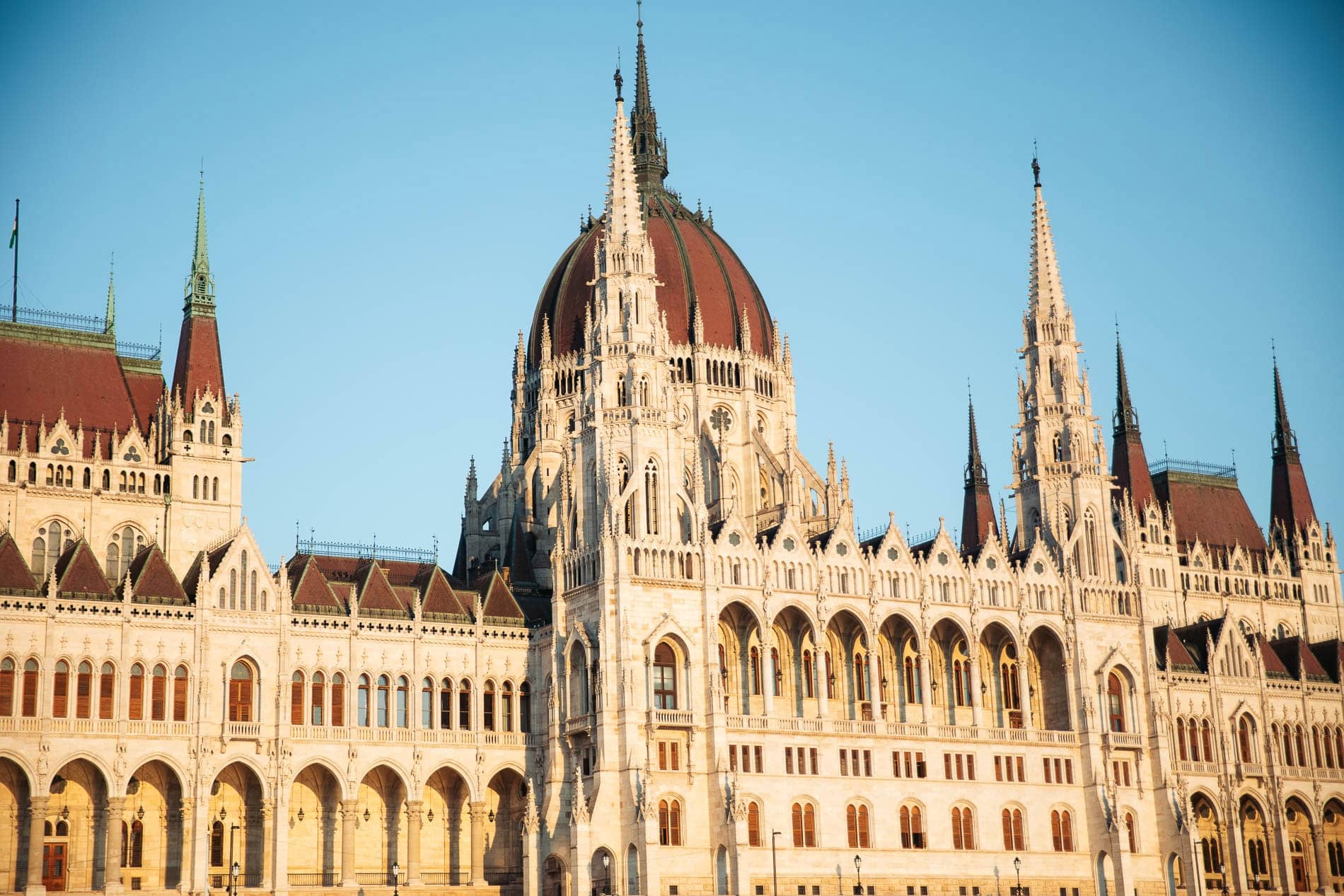
The Hungarian Parliament, located on the Pest side of the Danube, is one of Budapest’s most important monuments and the city’s iconic building. It impresses with its size and ornamentation. Also dating from the late 19th century, it is the 3rd largest parliament building in the world and the largest in Hungary. This masterpiece blends Baroque, Renaissance, and Neo-Gothic styles, adorned with 40 kilograms of 22-carat gold. You can discover the Holy Crown, a symbol of the Hungarian state present on all official representations of the country.
You can view it as we did by taking a 1-hour boat cruise with a cocktail at the end of the day, which is free with the Budapest Card. Other cruises, including dinners or night cruises, are very popular, so book in advance.
➡️ Book a guided tour of the Parliament here 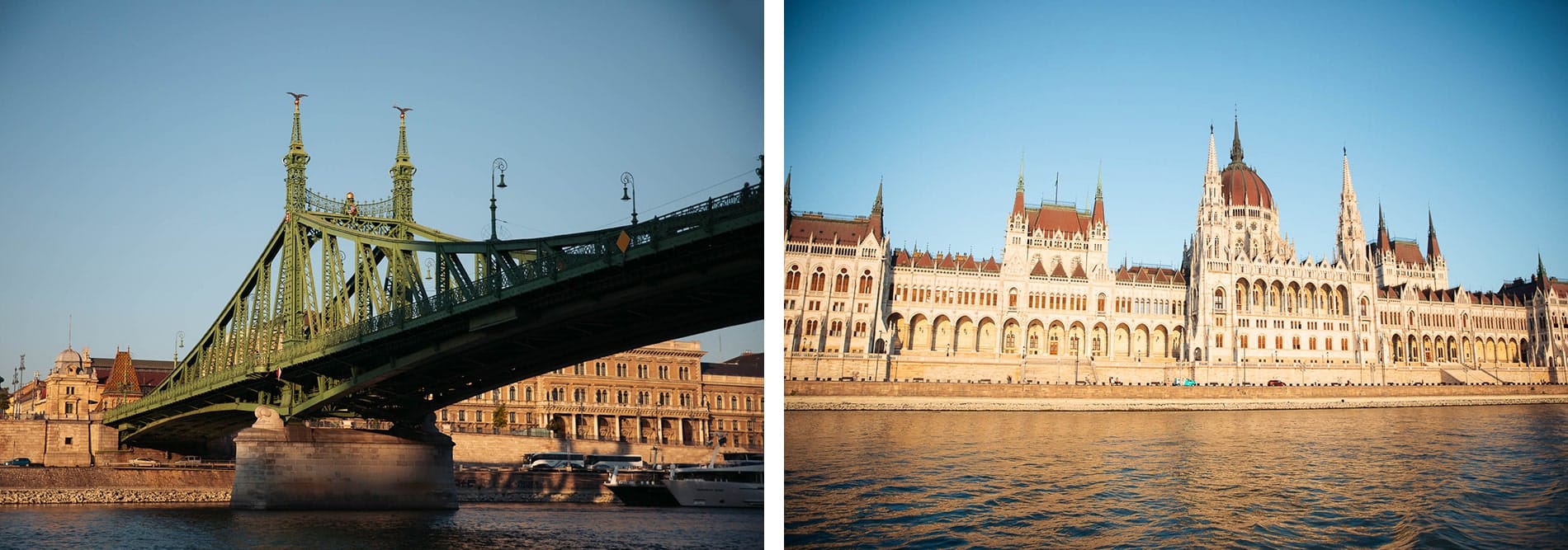
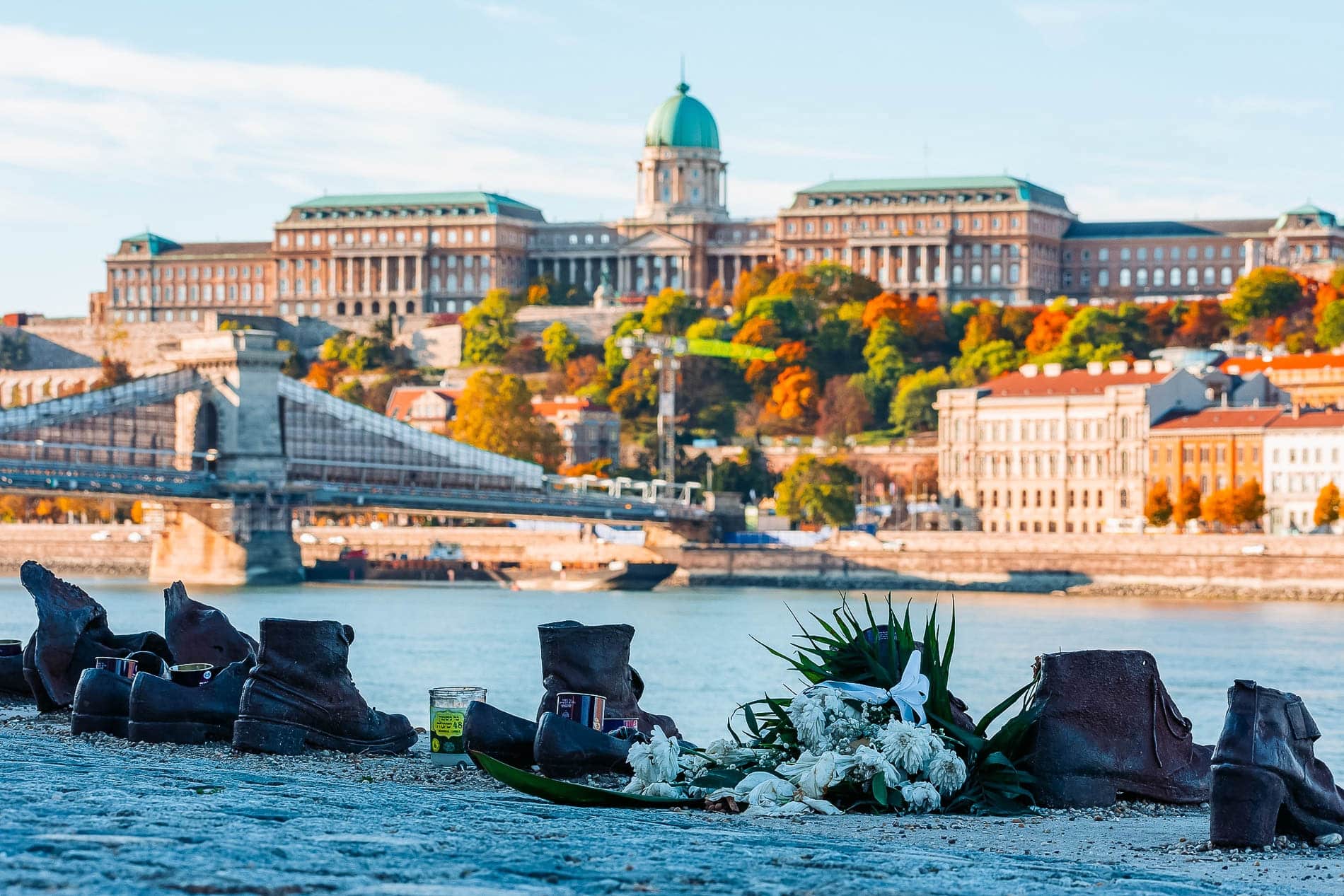
Not far from the Parliament, I suggest visiting the Shoes on the Danube Bank memorial, commemorating the Holocaust victims. It’s a very moving site, full of history and emotion. You’ll find about sixty pairs of metal shoes on the riverbank symbolizing the mass executions of Hungarian Jews. During the war’s final phase, the Nazi militia gathered Jews and opposition figures here, had them remove their shoes (to reuse them), then shot them. Their bodies fell into the Danube!
In central Pest, you’ll find two major religious sites worth visiting: St. Stephen’s Basilica and the Dohány Street Synagogue.
St. Stephen’s Basilica offers a panoramic view of the city from its dome ascent and houses the mummified right hand of Hungary’s first king, St. Stephen, dating back 900 years.
➡️ Book your St. Stephen’s Basilica tickets here 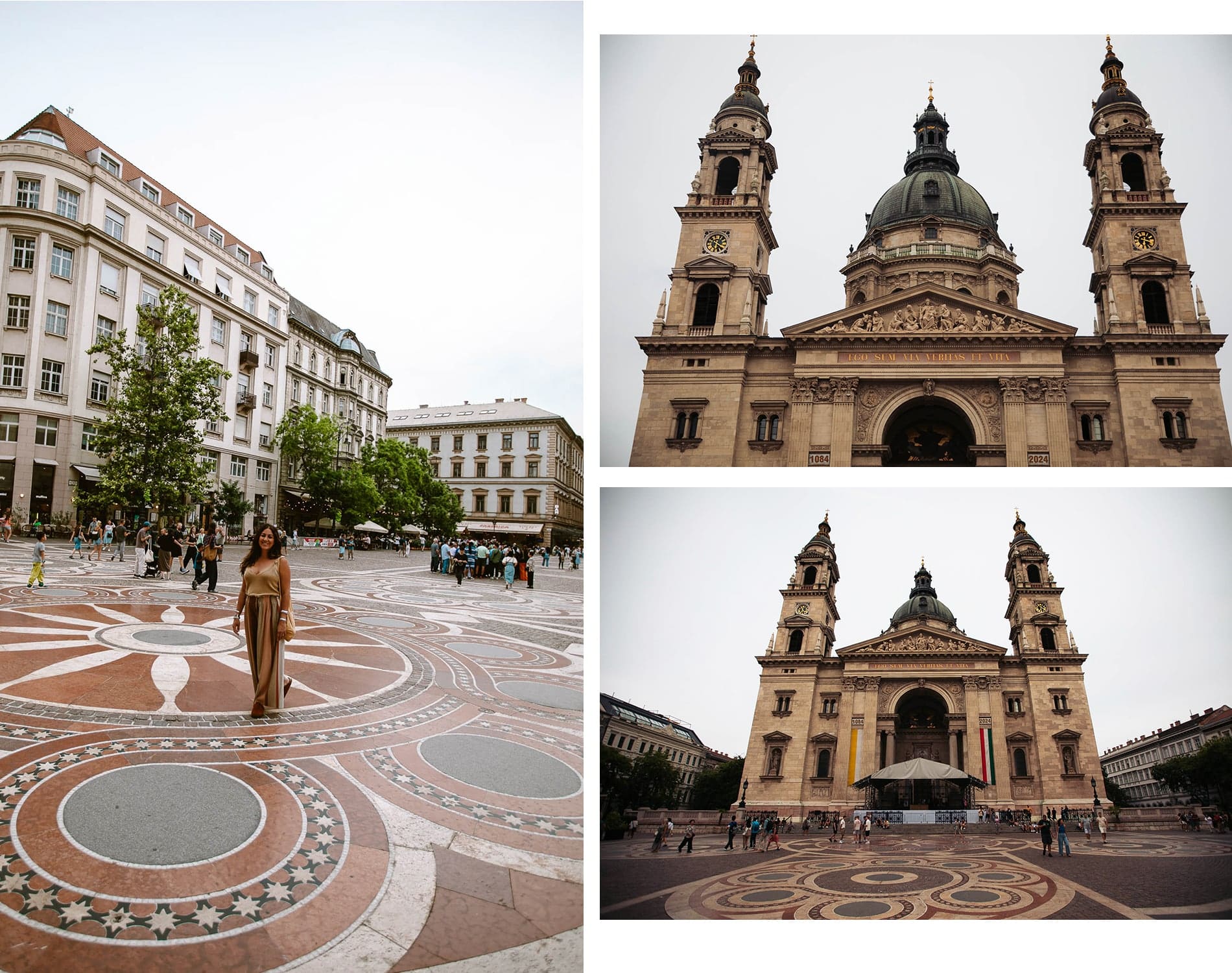
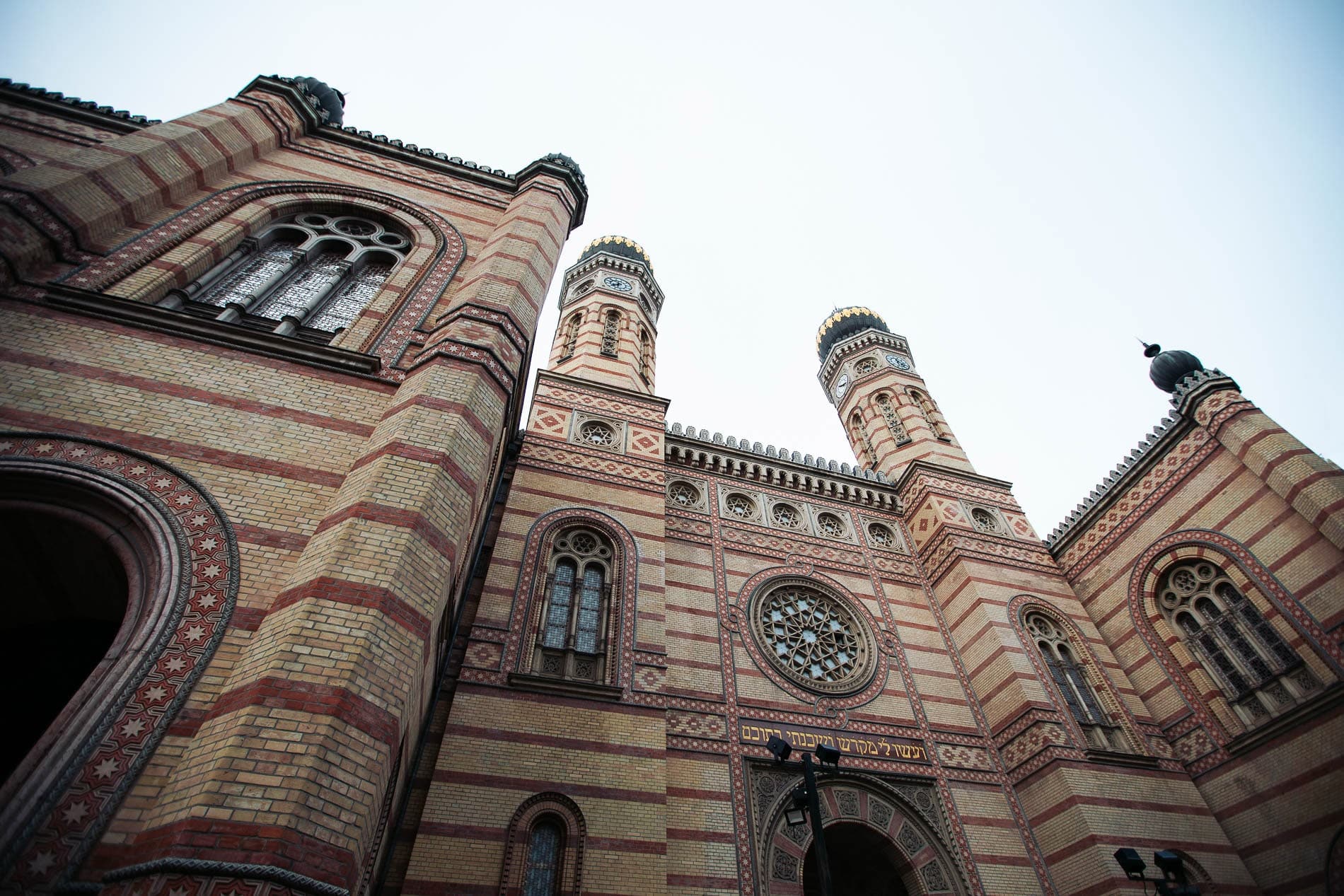
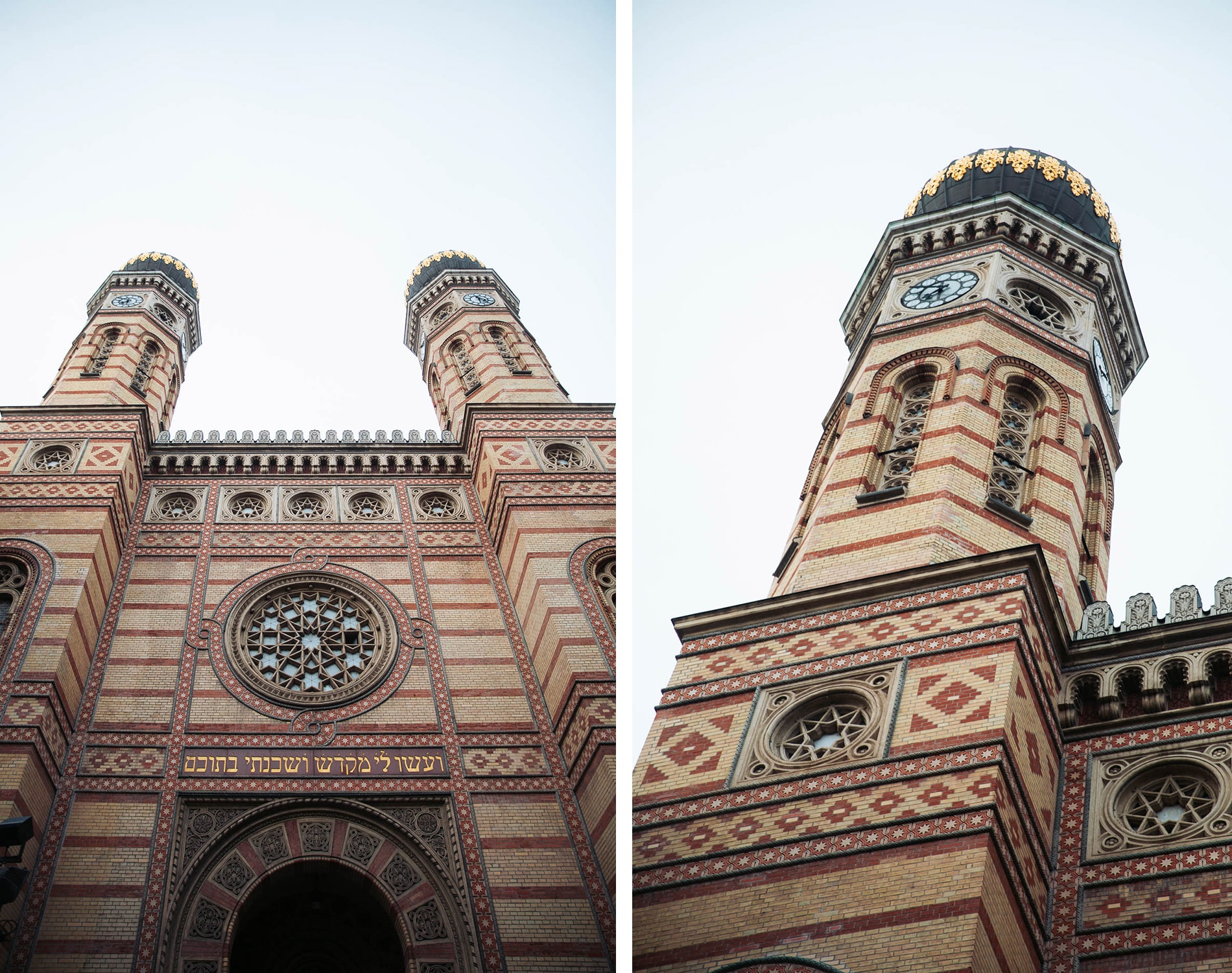
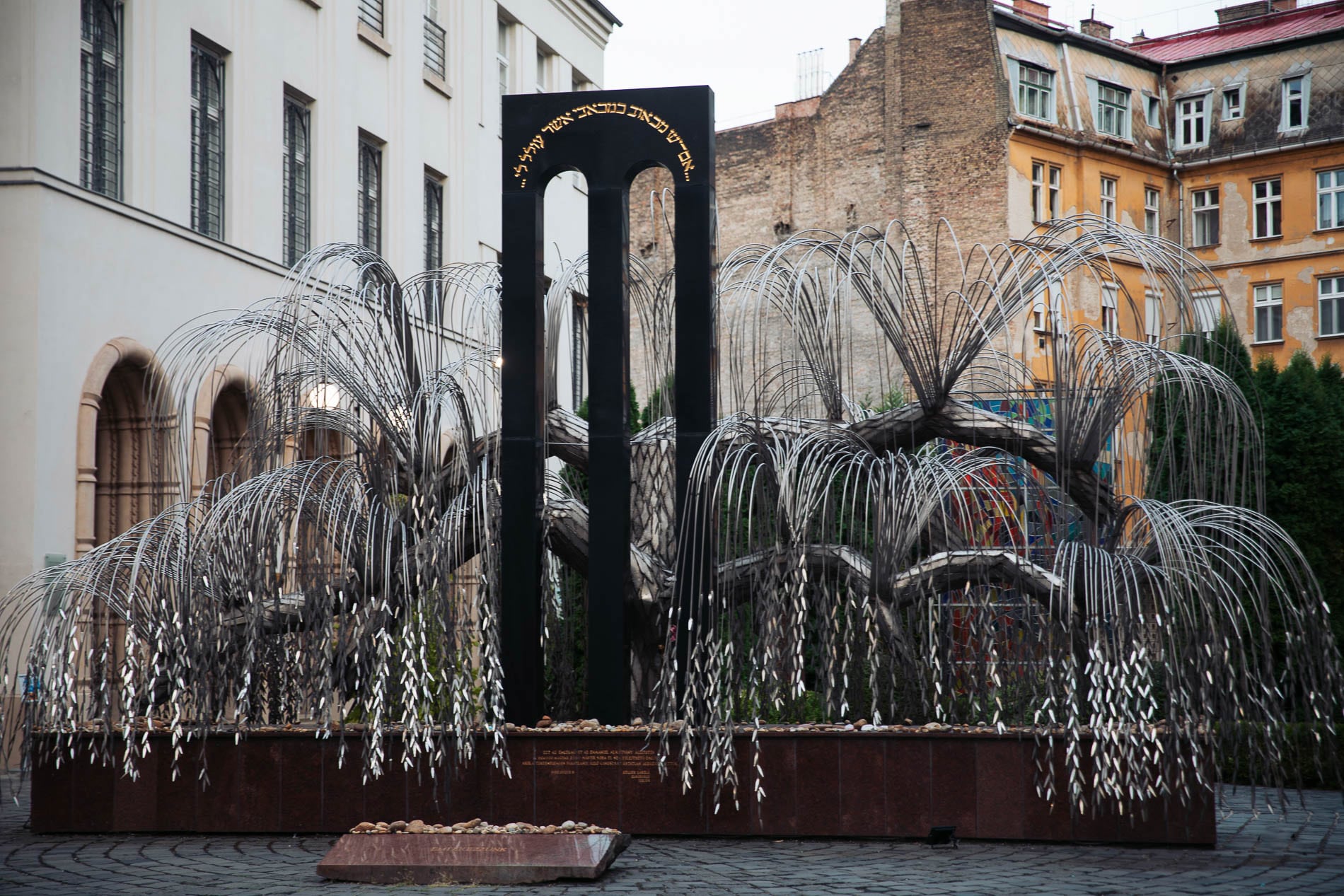
The Dohány Street Synagogue is the largest synagogue in Europe. Built in the Moorish style with special stone latticework on the façade, a richly ornamented dome, and tall towers, it stands in the old Jewish quarter, now one of the city’s trendiest areas with concept stores, restaurants, cafés, and impressive street art. On the other side of the synagogue is the Raoul Wallenberg Memorial Park, honoring Wallenberg, who helped save over 2,000 Hungarian Jews awaiting deportation to extermination camps by secretly issuing them diplomatic passports.
In this emblematic district, you can also discover Budapest’s Jewish history on a guided tour with a historian. Budapest had the largest Jewish community in Europe before the Nazi atrocities. This tour will take you inside Rumbach Street Synagogue and deepen your understanding of this people, their religion, and their history.
-
The Central Market Hall
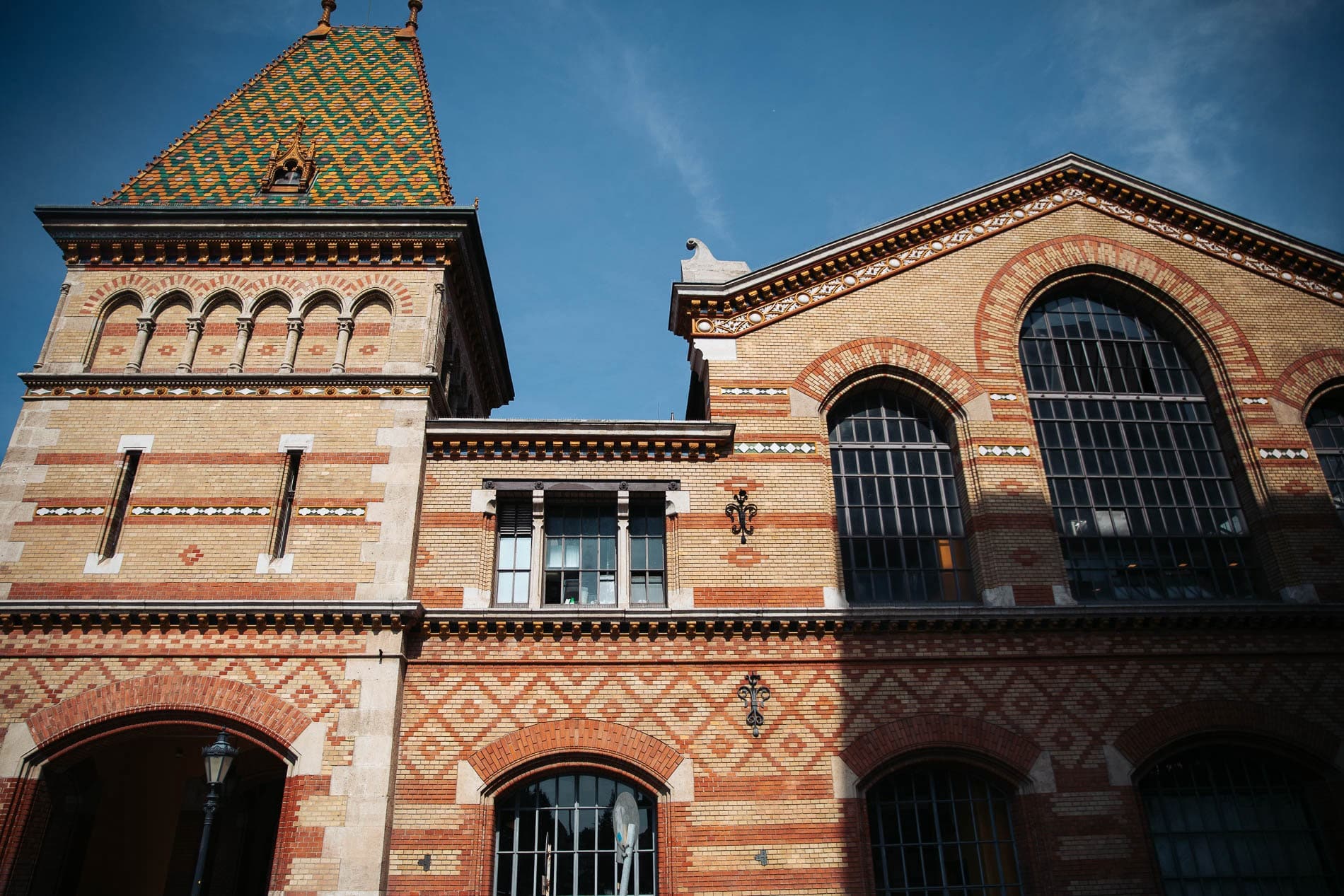
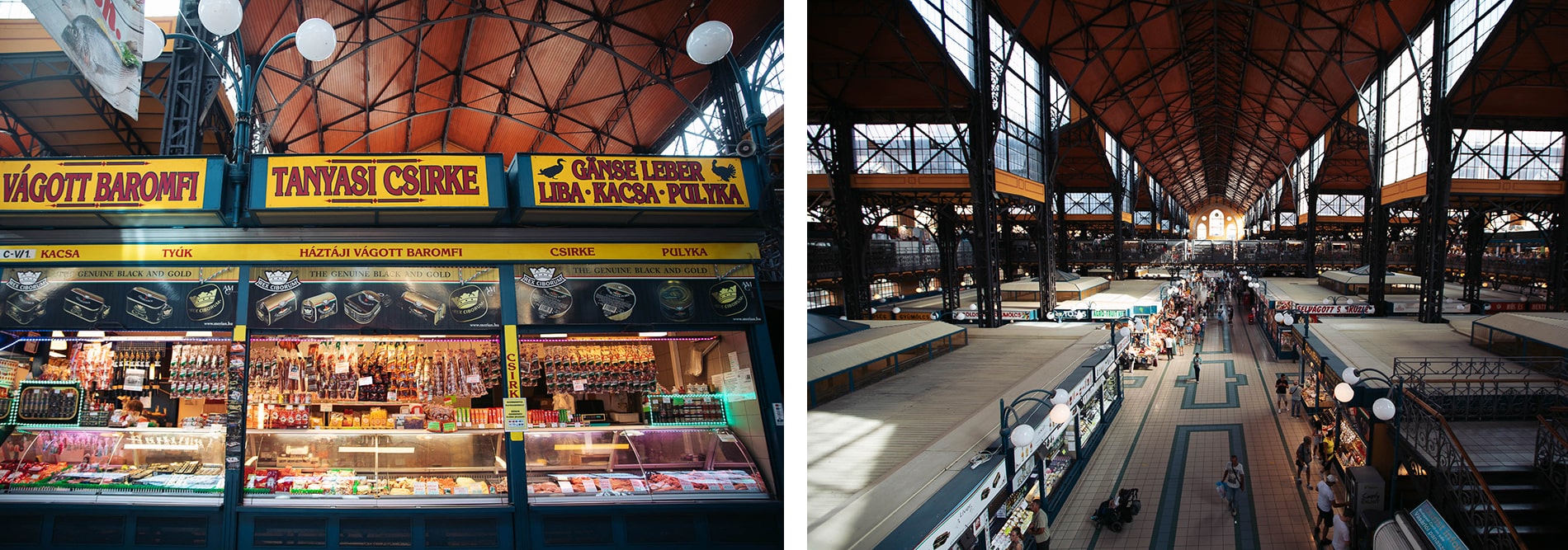
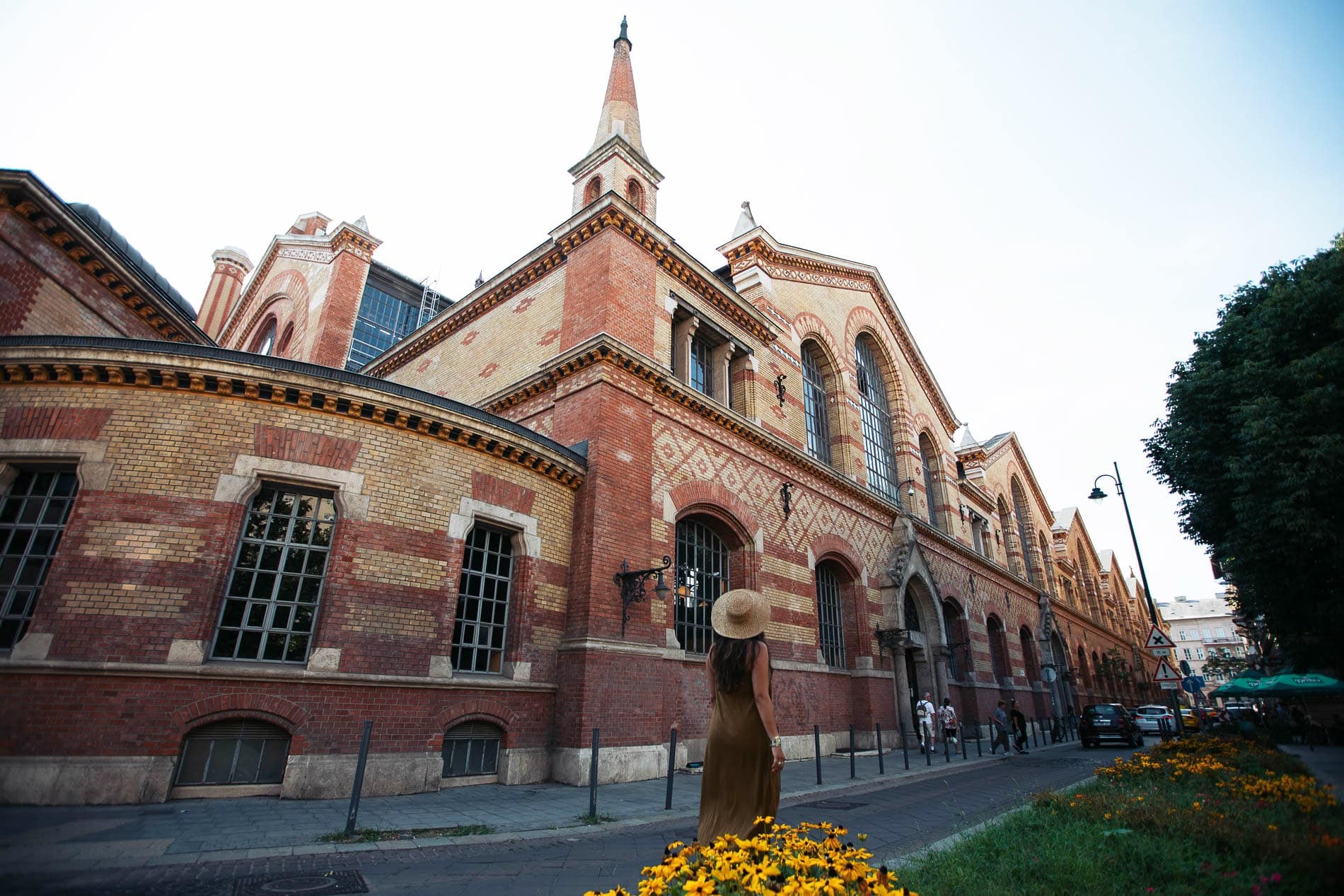
The Central Market Hall is a must if you want to discover Hungarian gastronomy. Housed in a historic late 19th-century hall, it’s an architectural treasure. The market spans two levels: fresh produce (fruits, vegetables, meats, spices, etc.) downstairs and clothing, accessories, and food stalls upstairs (where you can grab hearty, if somewhat fatty, quick bites). It’s an ideal lunch spot before exploring the bordering Jewish quarter. We tried the large traditional restaurant upstairs and had a great meal. You can also discover the market on a guided food tour:
| STREET ART IN PEST’S JEWISH QUARTER
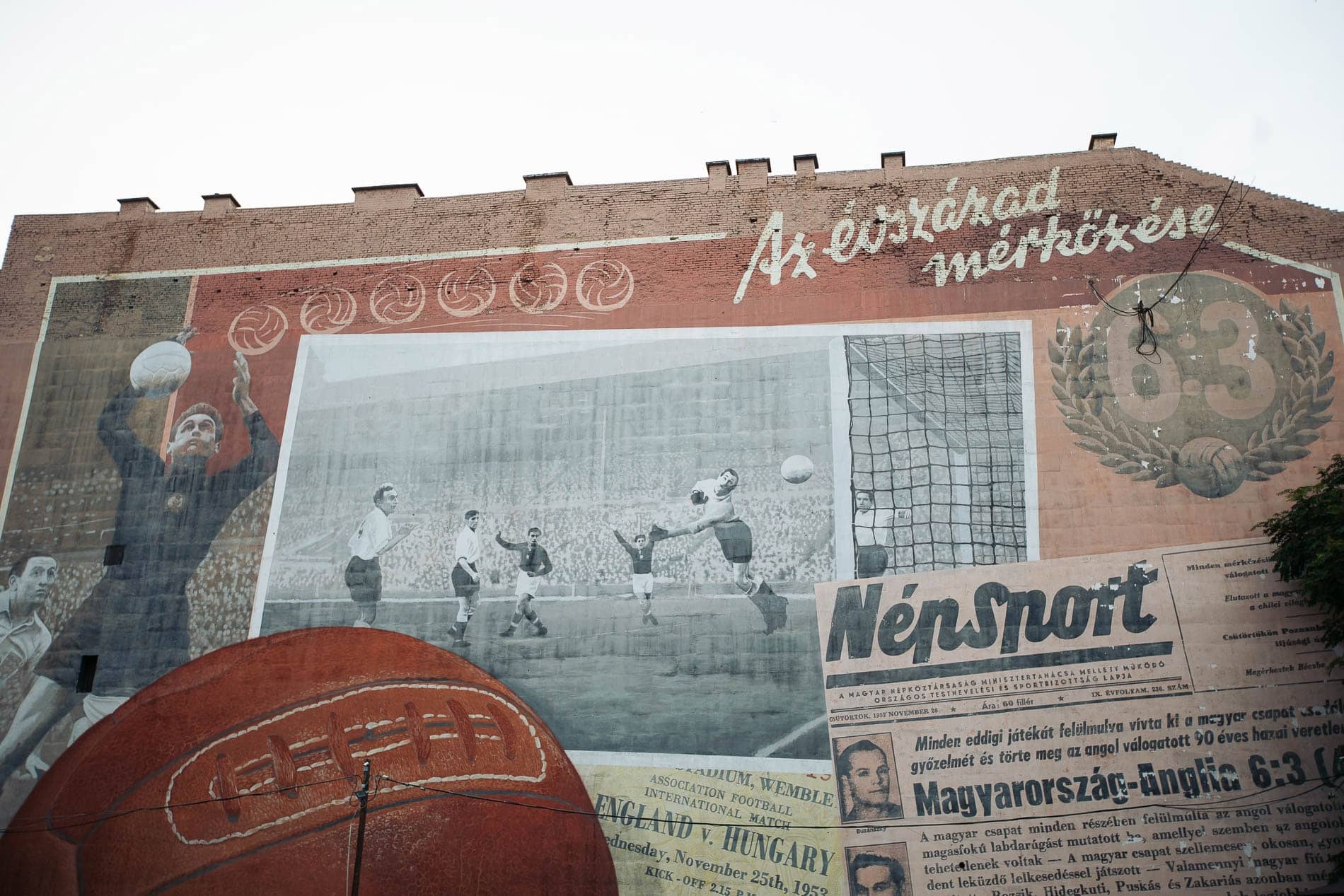
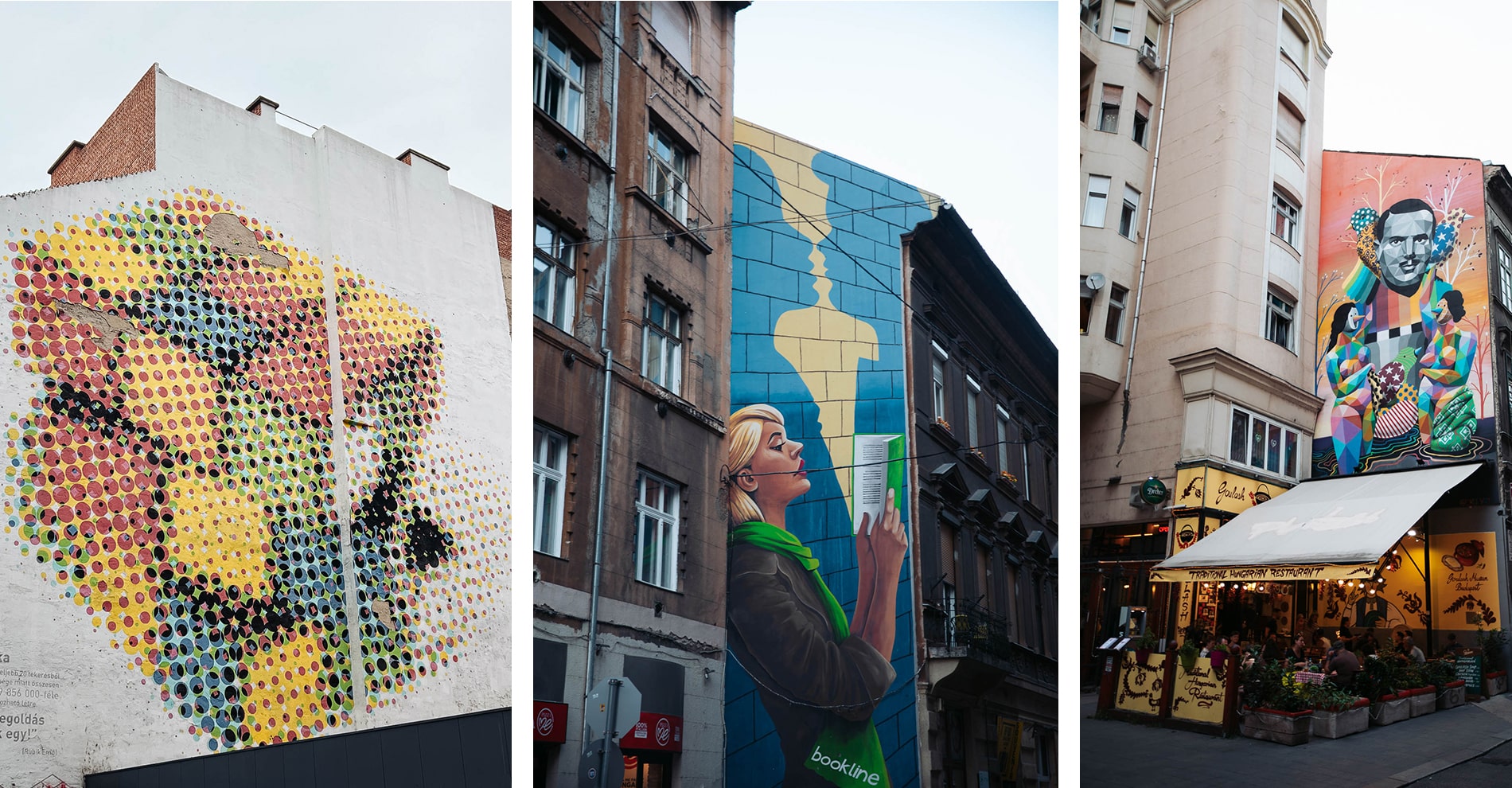
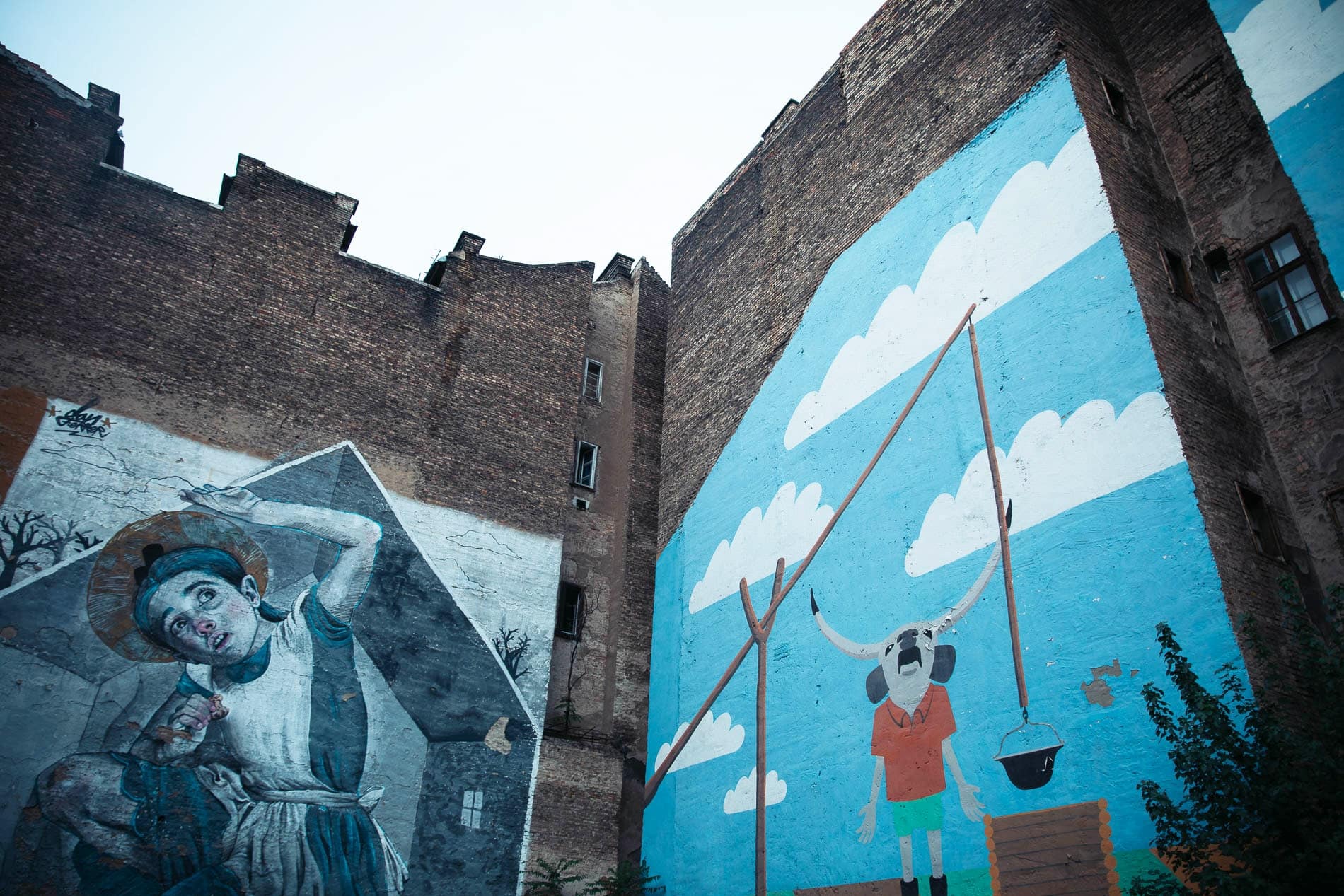
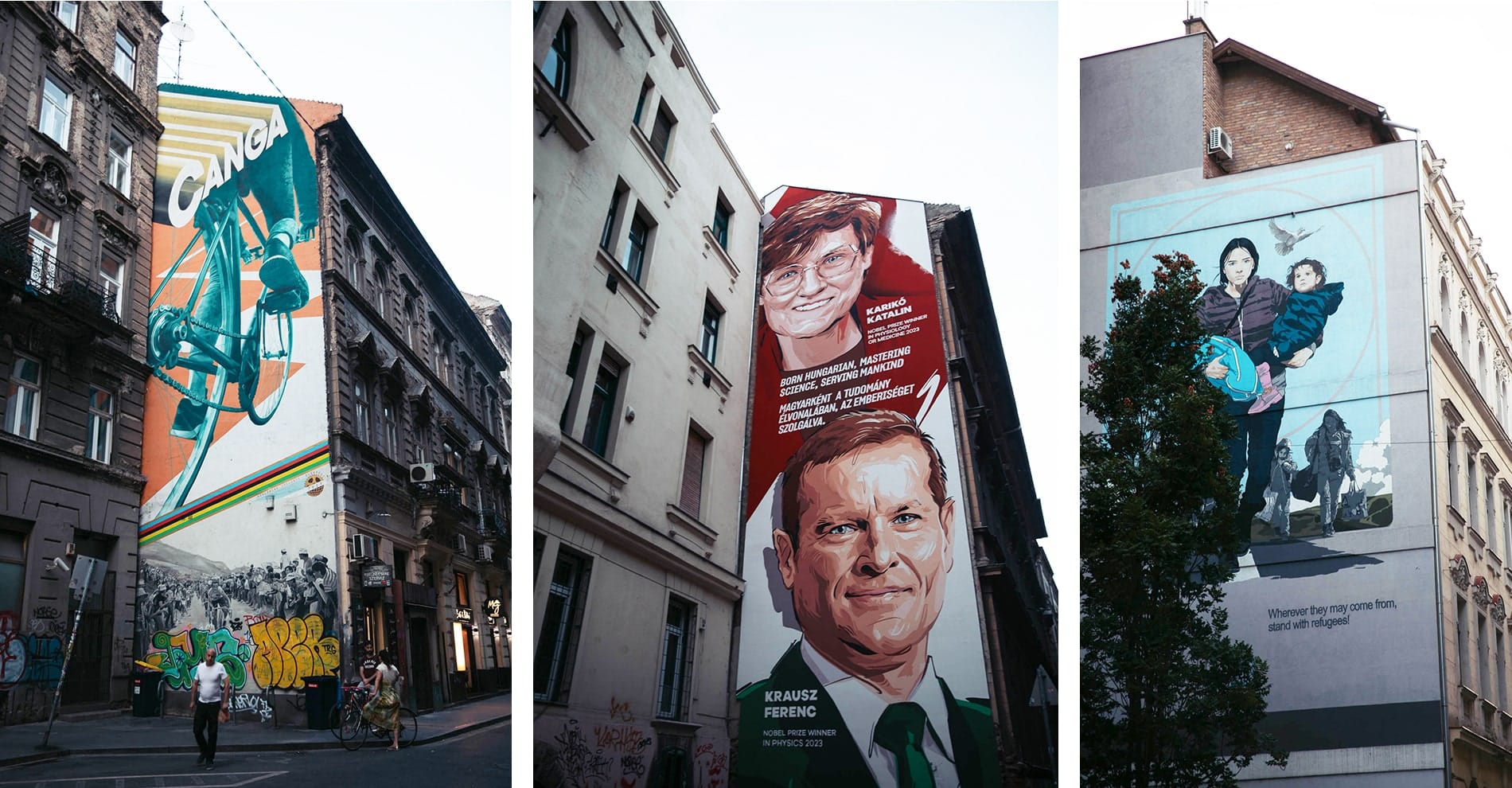
Large, beautiful street art murals are clustered in the Józsefváros Jewish Quarter. From Deák Ferenc tér along Dob utca & Akácfa utca, you’ll see works depicting key moments in Hungarian history, such as the giant mural reproducing the “national newspaper front page” after Hungary’s historic 1953 football victory over England, a modern depiction of “the arrival of the first Magyars from Central Asia” settling the Hortobágy plains, and a giant “Rubik’s Cube” honoring the puzzle invented by Hungarian Ernő Rubik—a true national symbol. A great 2-hour stroll through this vibrant district.
| BUDAPEST’S PARKS
Another highlight of Budapest is its parks. Three places stand out: City Park (Városliget), Margaret Island, and Óbudai Sziget on the Danube.
-
City Park (Városliget)
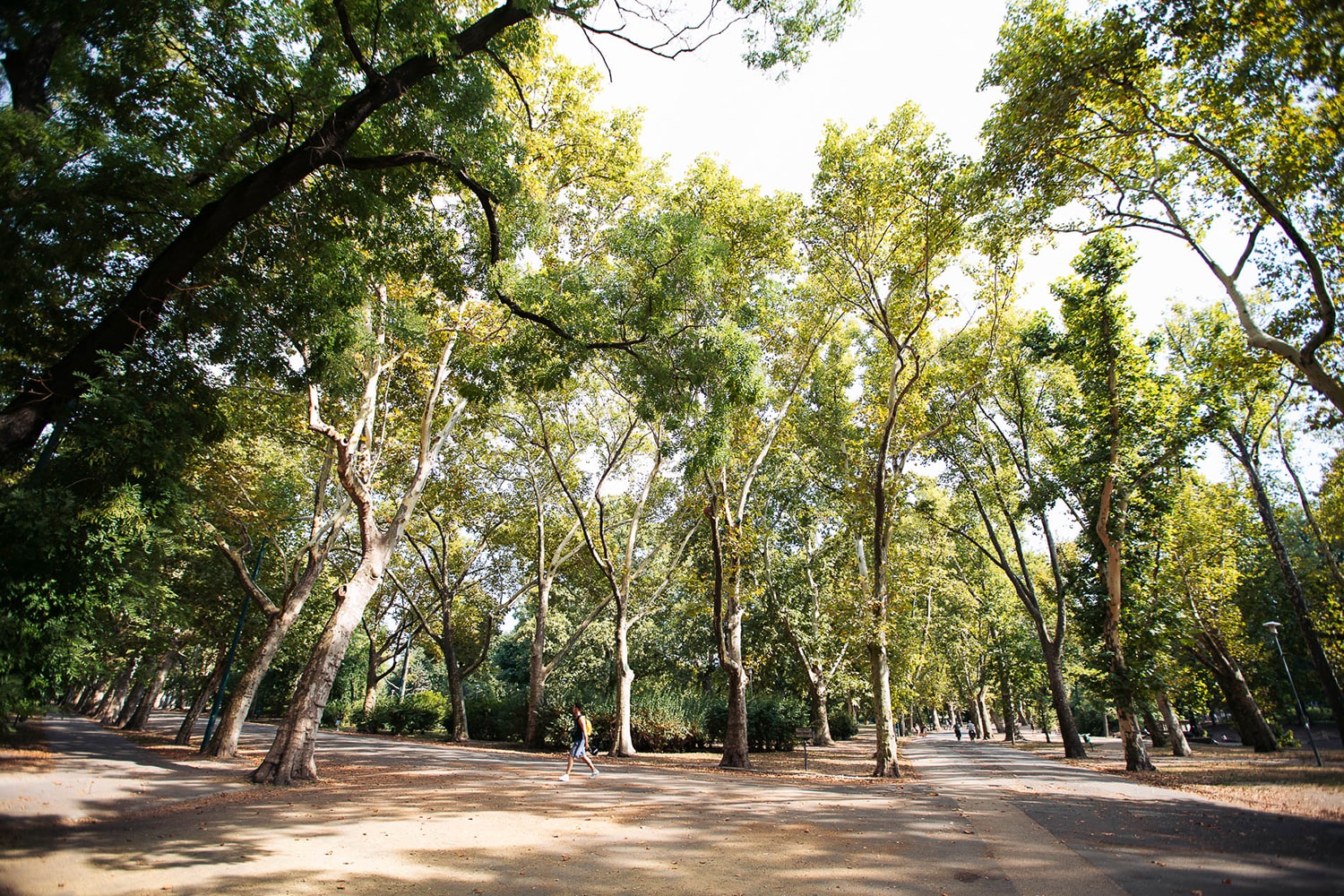
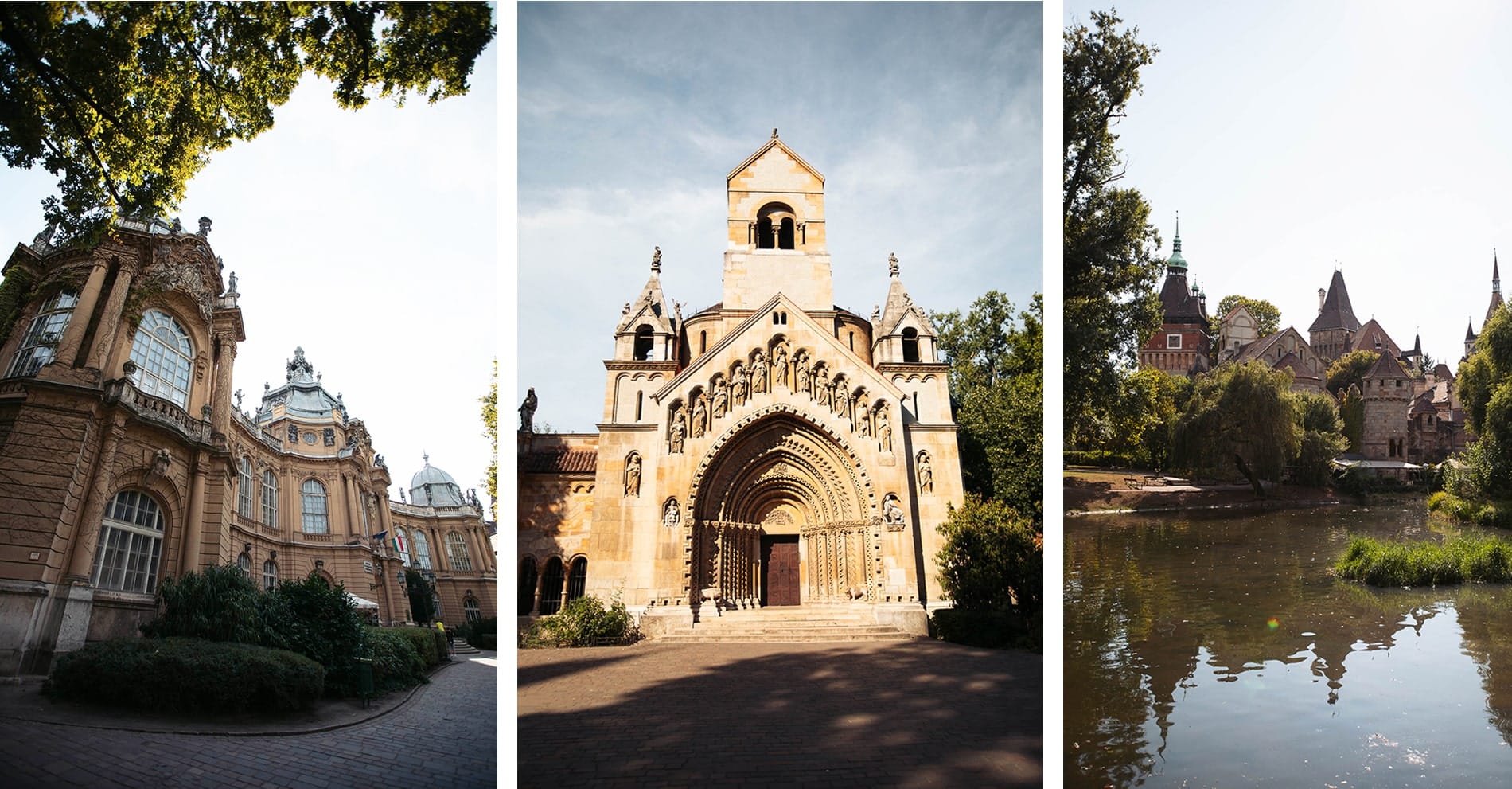
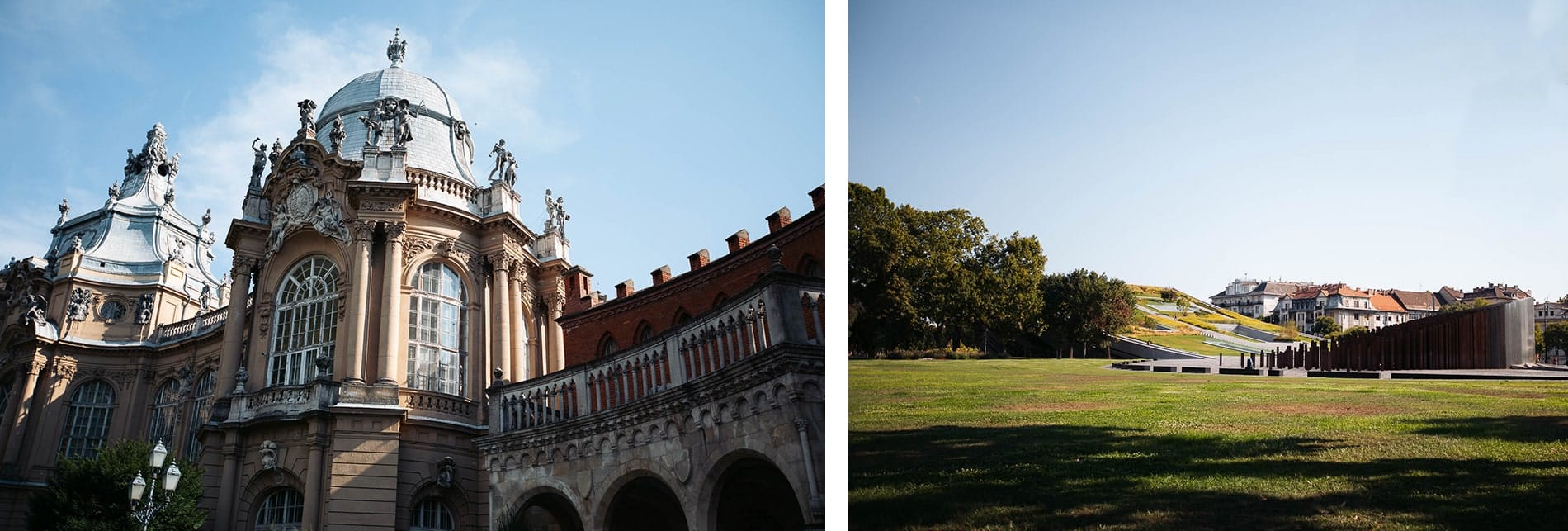
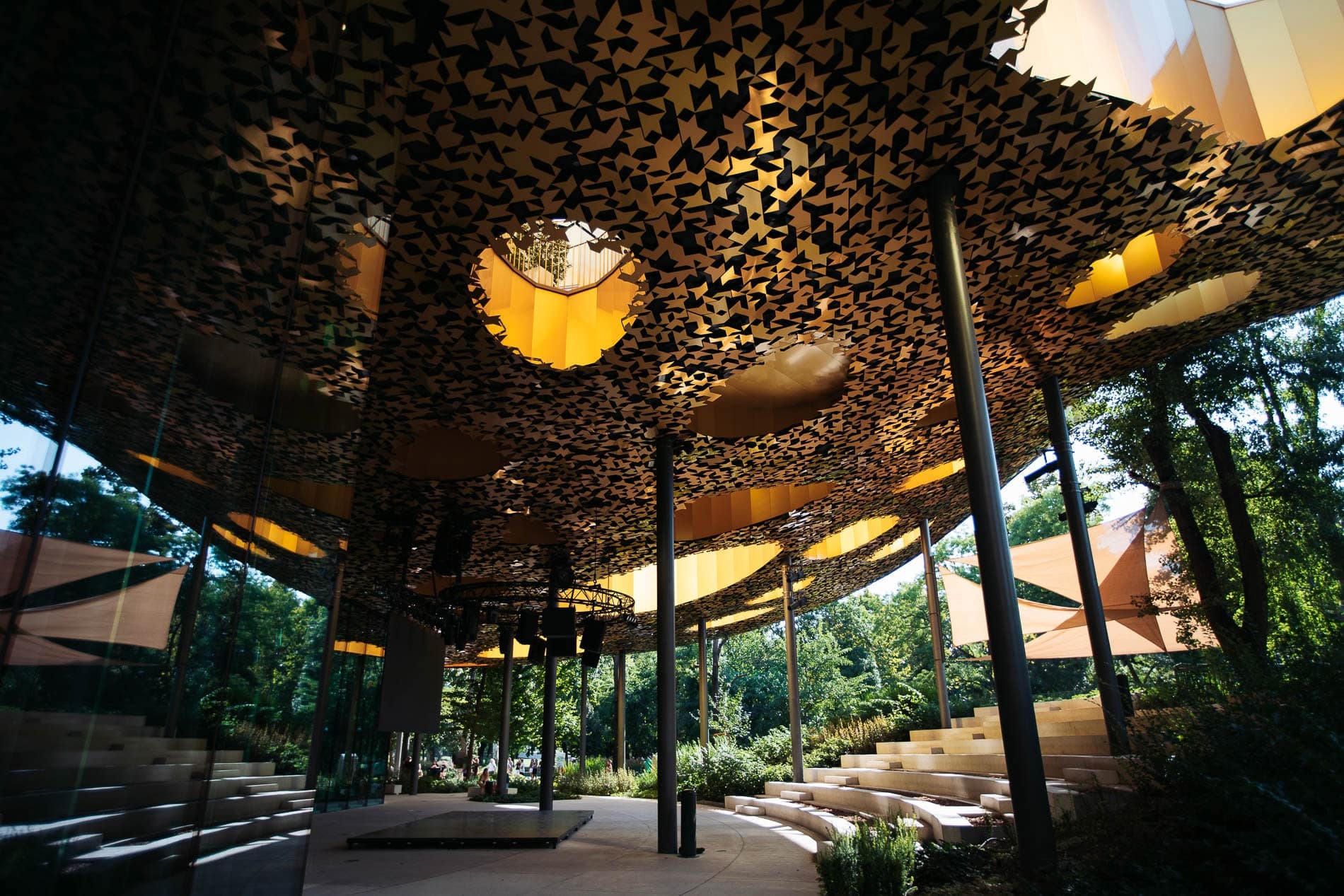
City Park is a must-visit. Built at the end of the 19th century around Vajdahunyad Castle and the Hungarian Agricultural Museum, it houses the Széchenyi Baths, various museums like the House of Music, playgrounds, ponds, wooded areas, and lawns. A restful yet lively spot perfect for families. Next to the zoo, you’ll find a landmark, Gundel Restaurant, where you can dine in a shaded garden or simply taste their renowned pastries—a highly recommended address!
-
Margaret Island
Margaret Island (Margit-sziget), between Buda and Pest, is a lush green space serving as the city’s green lung. This large public park is popular for its gardens, fountains, pools, jogging paths, and green spaces. Named after 13th-century Princess Margaret, who lived in a convent there, it’s a beloved spot for locals and tourists to stroll, exercise, or simply enjoy nature in a car-free environment—a true oasis, especially refreshing in summer.
If you’re visiting with children, you can book the Palatinus Baths, a large family complex with multiple pools for kids and adults. Spend a day of fun!
-
Óbudai Sziget
Finally, Óbudai Sziget is another Danube island famous for hosting the Sziget Festival every August. This music and culture festival features concerts, performances, and art installations in a unique festive atmosphere. For the rest of the year, it’s a leisure spot with parks, beaches, and outdoor activity areas—popular for nature outings, picnics, and cycling.
| ACTIVITIES OUTSIDE BUDAPEST
-
Ecseri Flea Market
With more time, we would have loved to explore Europe’s largest Central European flea market, the Ecseri Flea Market at Nagykőrösi út 156 in District 19 near Wekerletelep. Spanning 16,500 m², you’ll find both clothing and antiques. Expect about an hour travel each way from Bob utca in the old Jewish quarter.
Opening hours: Monday to Friday 8 a.m.–4 p.m., Saturday 6 a.m.–3 p.m., Sunday 8 a.m.–1 p.m. Avoid Saturdays—they’re the busiest. Arrive early for better finds.
Public transport access: Bus 54 from Boráros Square near the Danube. The nearest metro station to Boráros Square is Ferenc Körút on the blue line M3.
-
Szentendre
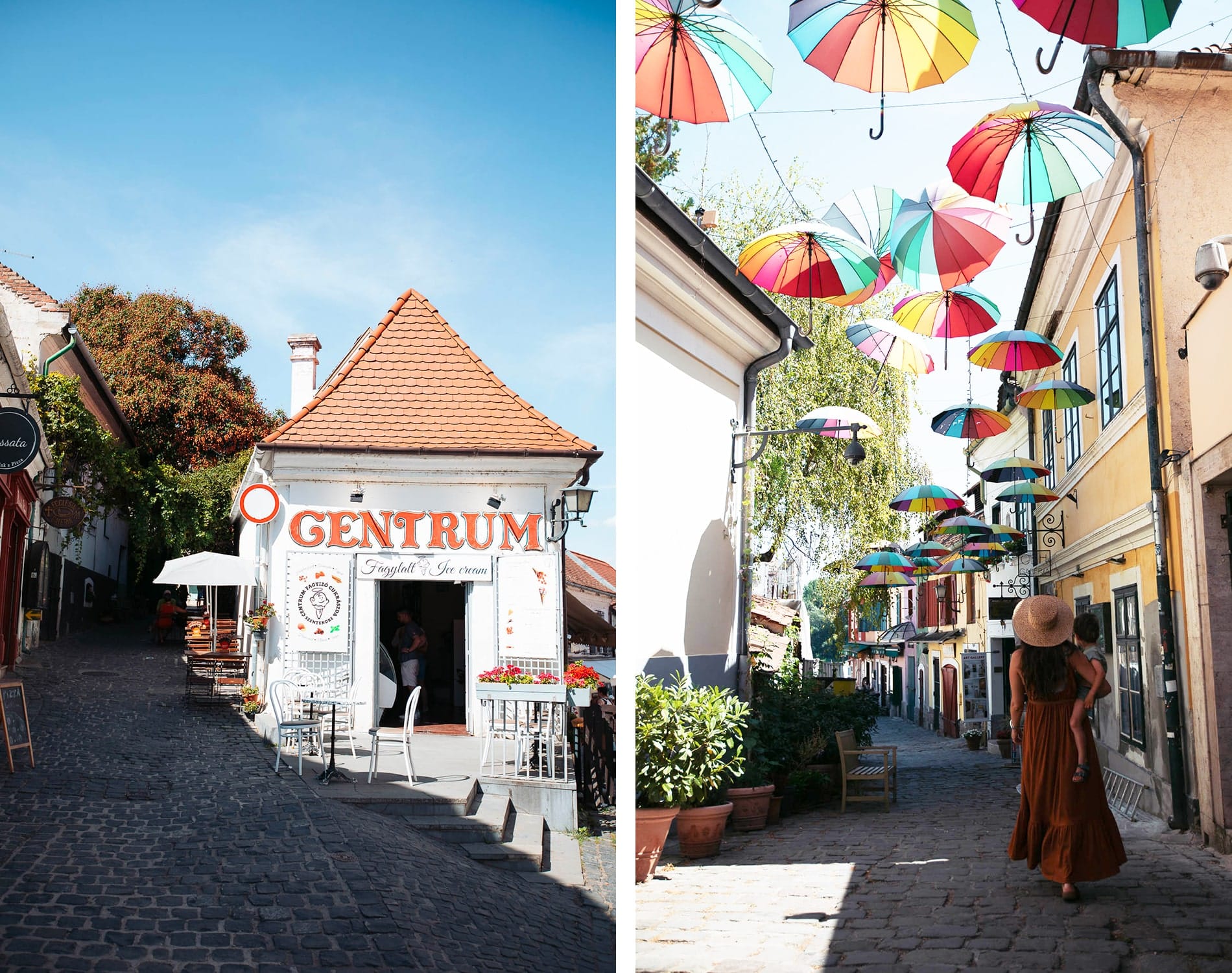
Just 20 km from Budapest (35 minutes on a vintage train), you’ll find the charming town of Szentendre. Few stop there—and it’s a shame—because it’s full of charm: a great lavender ice cream shop, lovely restaurants, and a relaxed vibe! Learn more here.
For a guided excursion, click the options below. You can reach Szentendre by train or cruise. Read our full article on our Hungary road trip and Szentendre here.
➡️ Book the Szentendre day cruise here➡️ Book the half-day Szentendre tour here 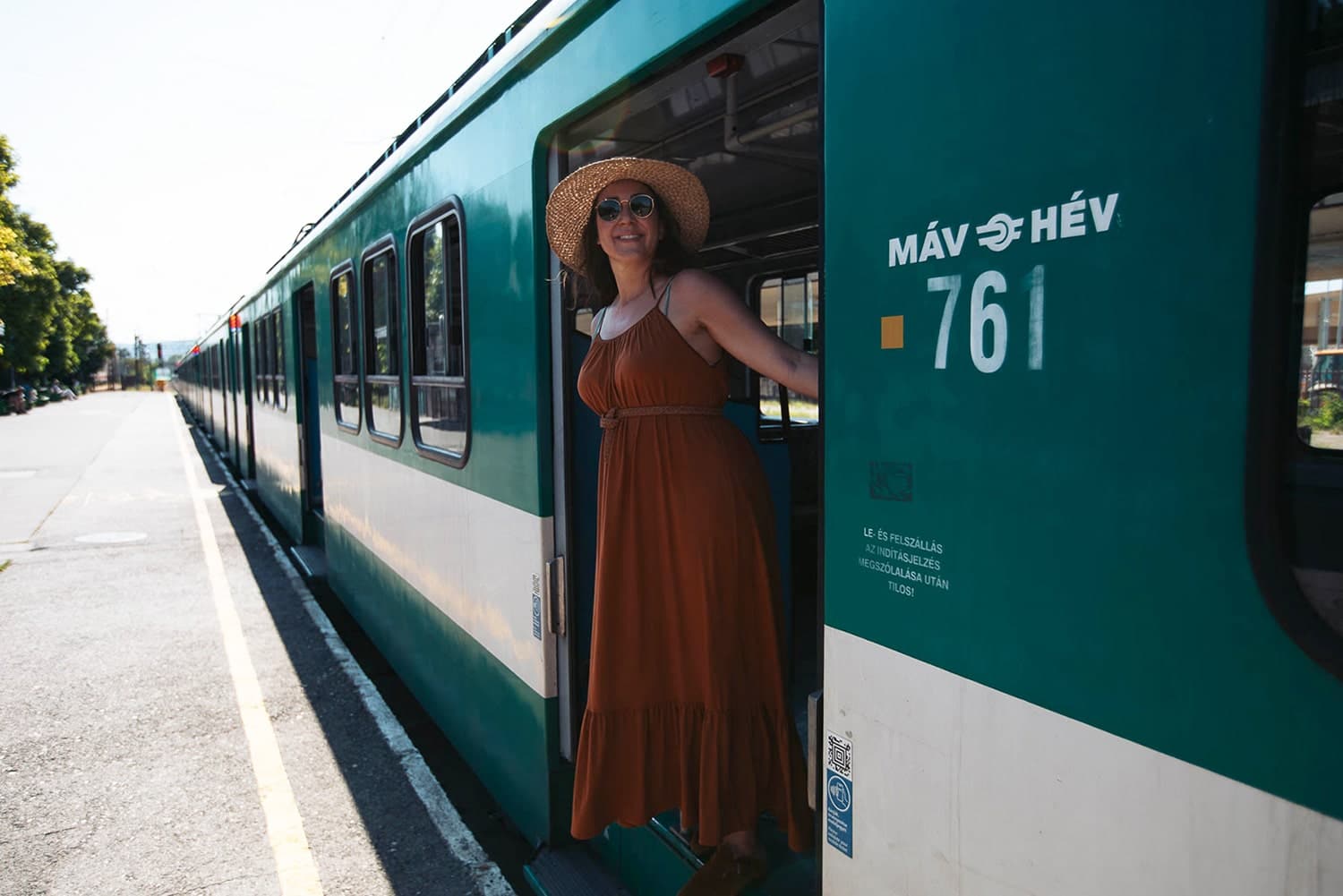
-
Gödöllő Palace
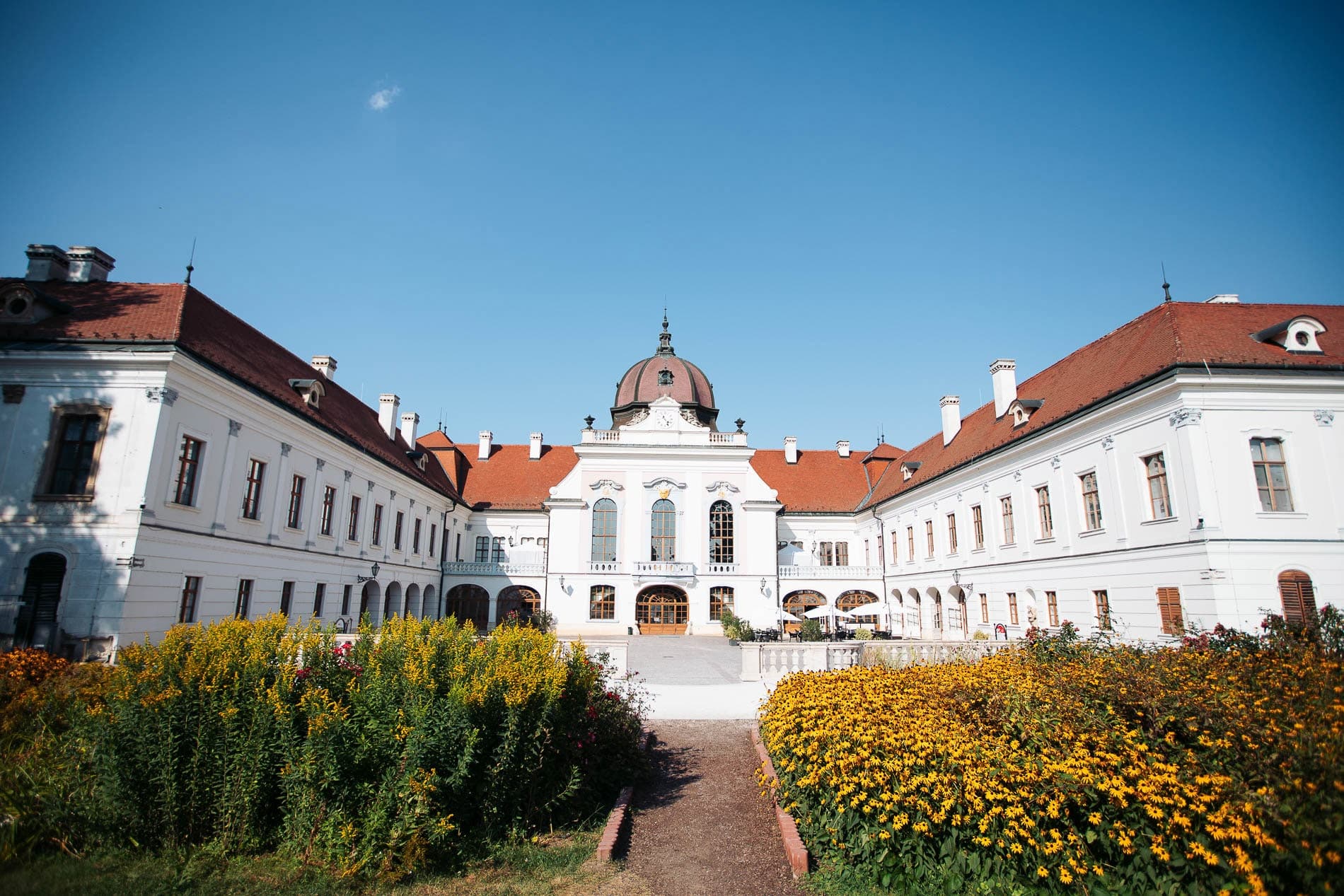
On the way, stop just 30 minutes from Budapest in Gödöllő to discover one of the Austro-Hungarian royal palaces, the favorite summer residence of Iconic Queen Elisabeth (Sissi).
When the Austro-Hungarian Empire was formed in 1867, the palace was donated to the state. The queen, who disliked Budapest’s court, made it her favorite retreat. Originally Baroque, the palace underwent transformations, notably in its gardens, which became its signature. After the empire’s fall, it fell into disuse until opening to the public thirty years ago. Read our full Hungary & Szentendre road trip article here.
It’s one of Hungary’s most beautiful castles, albeit smaller than Buda’s Royal Palace since it was never meant to host the full court. Plan about 2 hours to explore the salons, gardens, and—if you’re lucky like us—catch a classical concert that adds even more grace to the site.
PRACTICAL INFO | BUDAPEST
| GETTING AROUND BUDAPEST
Let’s start with a practical aspect: transport. From the airport, you can reach the city center by taxi or bus. There is no train line linking the airport to the city.
A taxi ride will cost around €30 (depending on the Hungarian Forint exchange rate). Airport kiosks handle taxi bookings and give you the fare in advance—quite reassuring.
The city has an efficient metro, tram, and bus network. Download the “Budapest Go” app for route planning.
Several transport passes exist, but for a few days in the capital, we recommend booking the Budapest Card here, which pays for itself quickly.
Like in many cities, there’s a visitor transport card. The Budapest Card offers unlimited public transport in central zones and free or discounted entry to certain museums, baths, and monuments in and around Budapest. For example, discounted train tickets to Szentendre, access to Széchenyi Baths, and free daytime boat rides.
Cards are available for 48 to 96 hours and are very worthwhile if you plan to see a lot. Pick it up at the tourist office in Deák Ferenc tér. If you skip the card, be sure to validate individual tickets—fines are frequent in Budapest.
| WHERE TO STAY IN BUDAPEST
We tested three accommodations in Budapest to suit different needs and budgets.
-
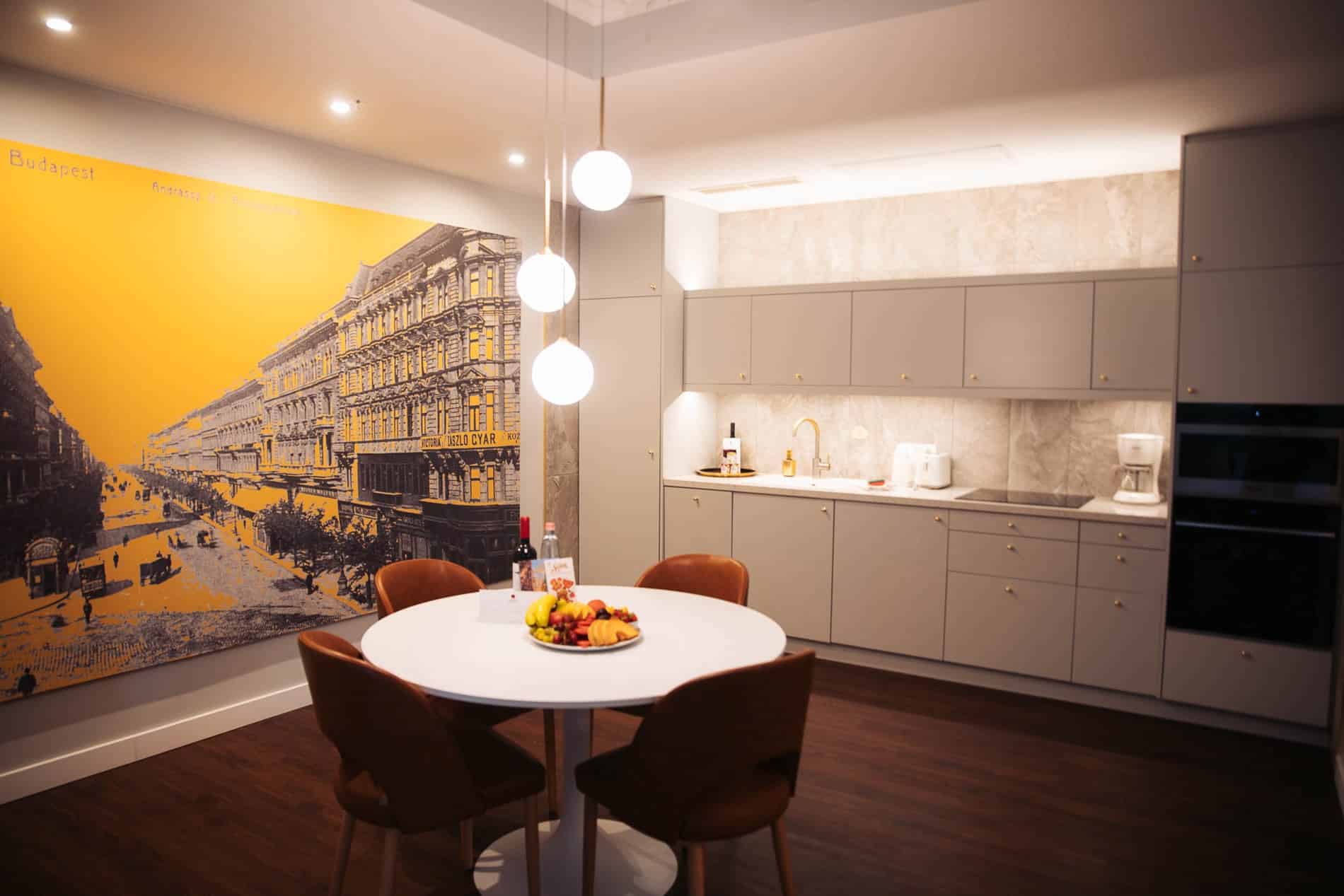
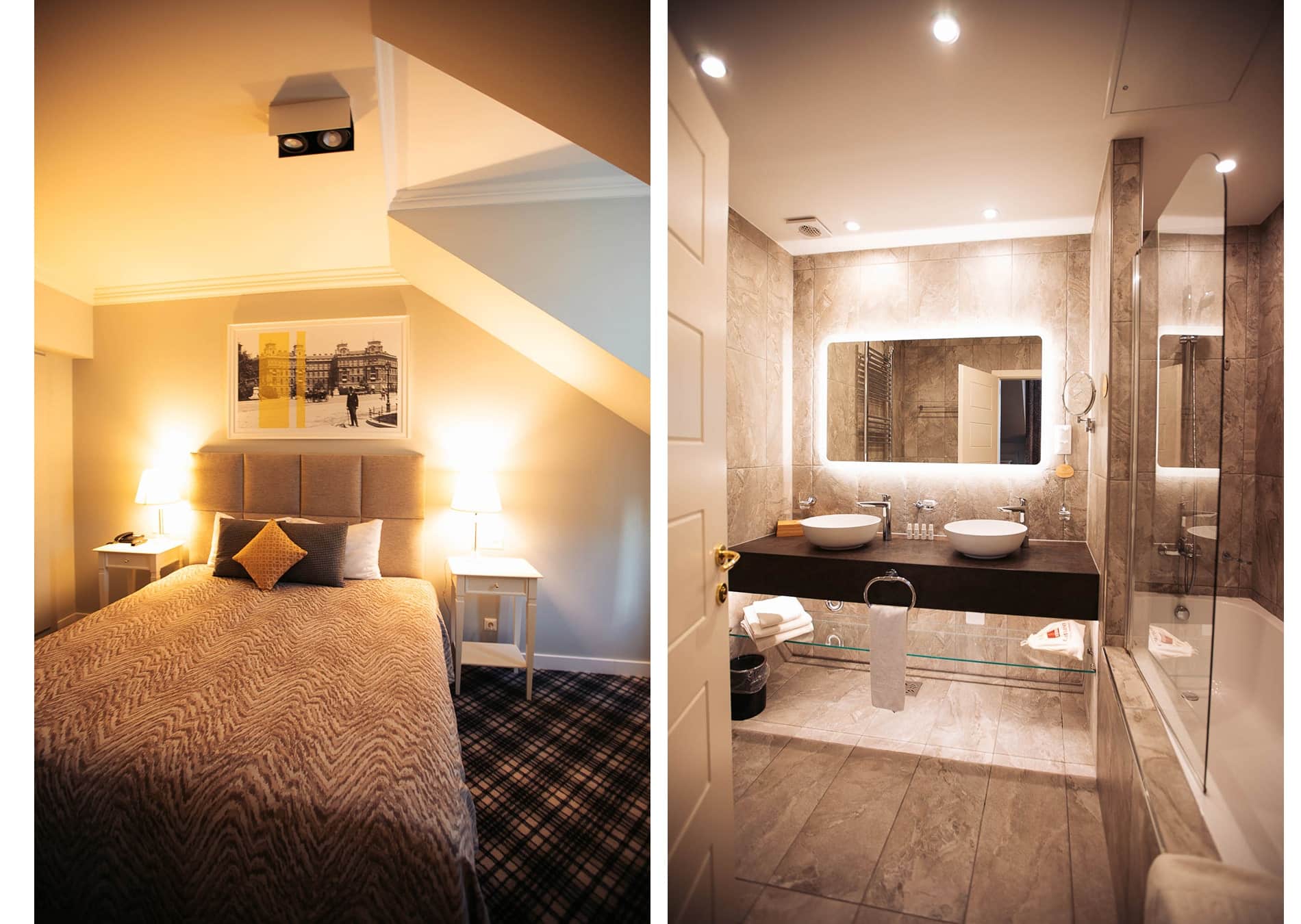
Residence Izabella
Residence Izabella is part of the Mamaison group, ideally located halfway between City Park and Deák Ferenc tér, along Andrássy Avenue and served by the historic but beautiful Metro line 1.
This aparthotel concept offers spacious, charming apartments with hotel services. Each unit includes a kitchen, living room, washing machine, dishwasher, and ample storage, all finished to a high standard.
Hotel services include a lovely breakfast buffet downstairs and a sauna for evening relaxation. The Mamaison group has a nearby restaurant, so you can order in-room dining with advance notice. In short, it’s perfect for families looking for a base to stay multiple days in Budapest.
➡️ I book my stay at Residence Izabella
-
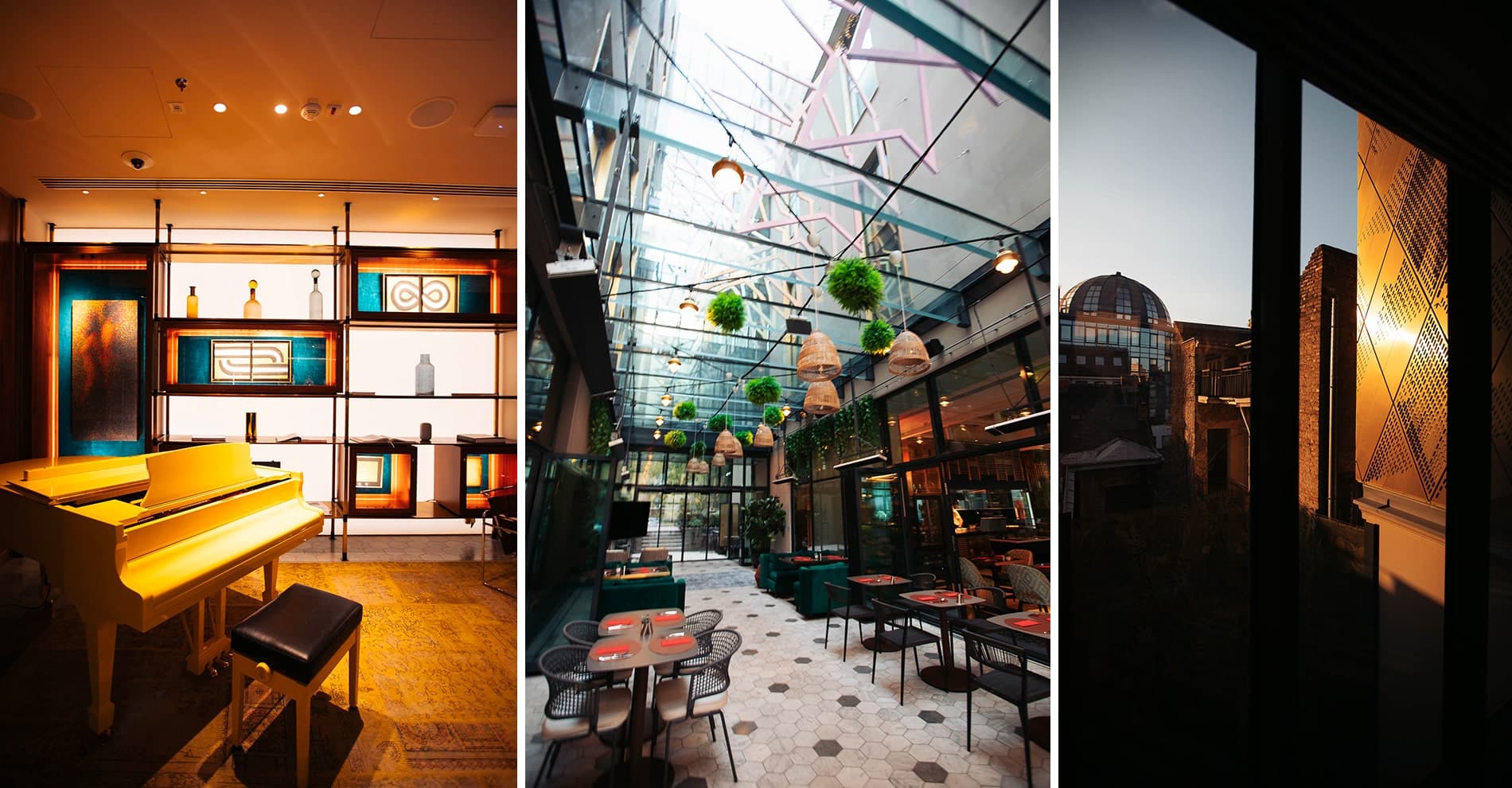
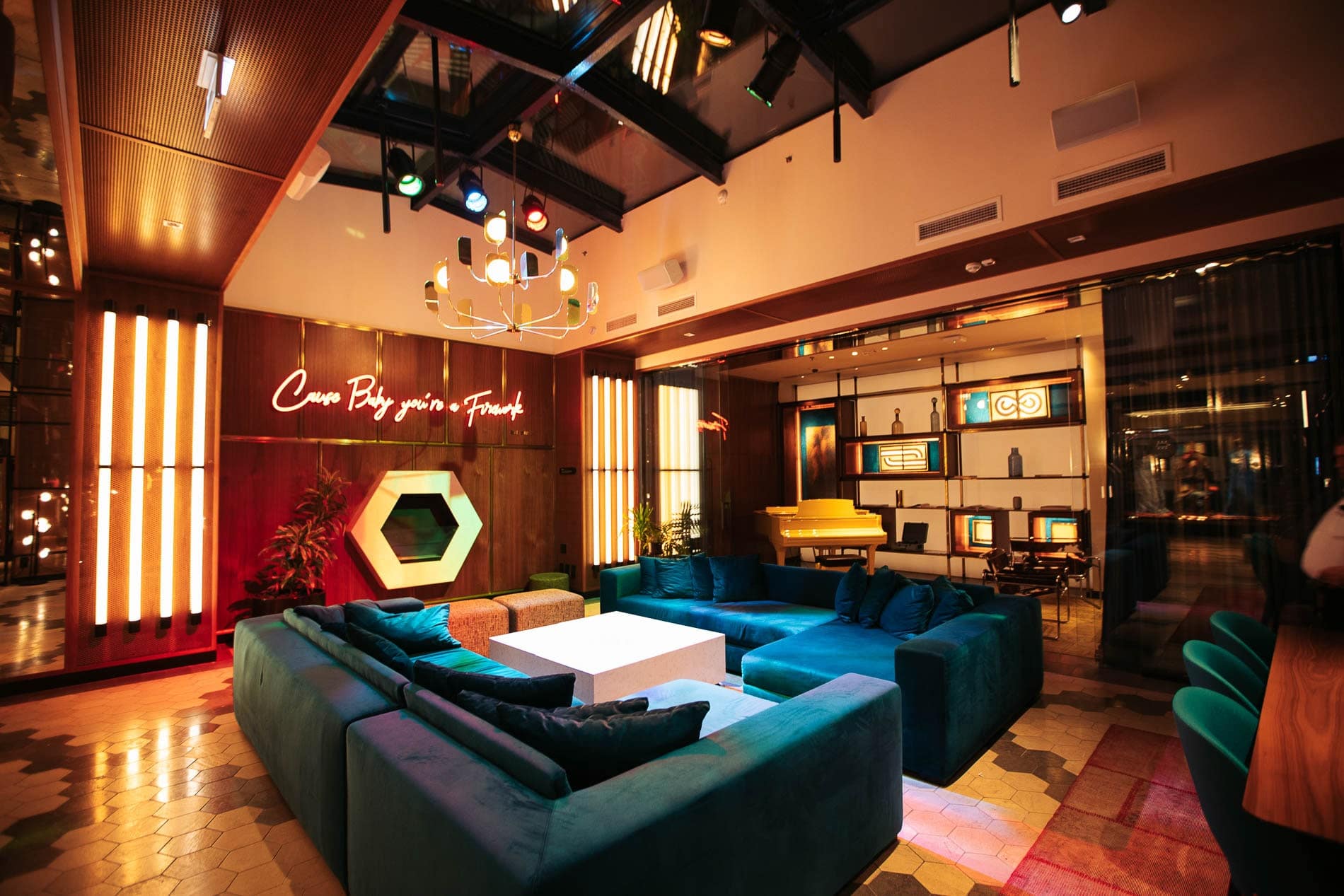
Pullman Budapest
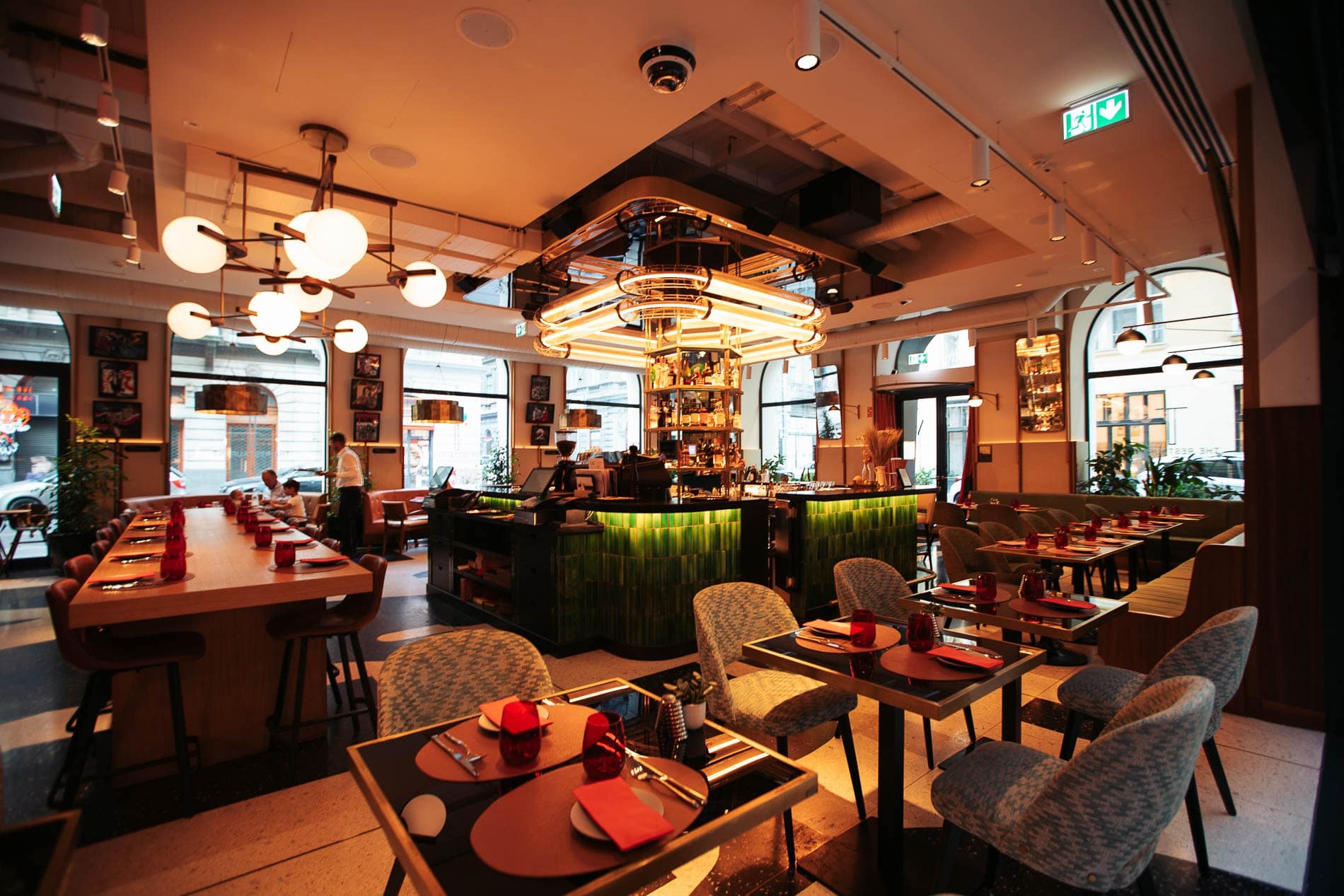
Pullman Budapest is newly opened in central Budapest, steps from the Opera House, in a lively neighborhood near many attractions. You’ll be impressed from the moment you arrive by its contemporary décor, welcoming lobby, multiple relaxation spaces, and a modern restaurant and bar.
The rooms are spacious, well-equipped, with superb bedding and high-end bathrooms. The breakfast buffet is extensive, reinforcing the hotel’s excellence. A vibrant place and a strong neighborhood hub that we recommend wholeheartedly and without hesitation.
➡️ I book my stay at Pullman Budapest
-
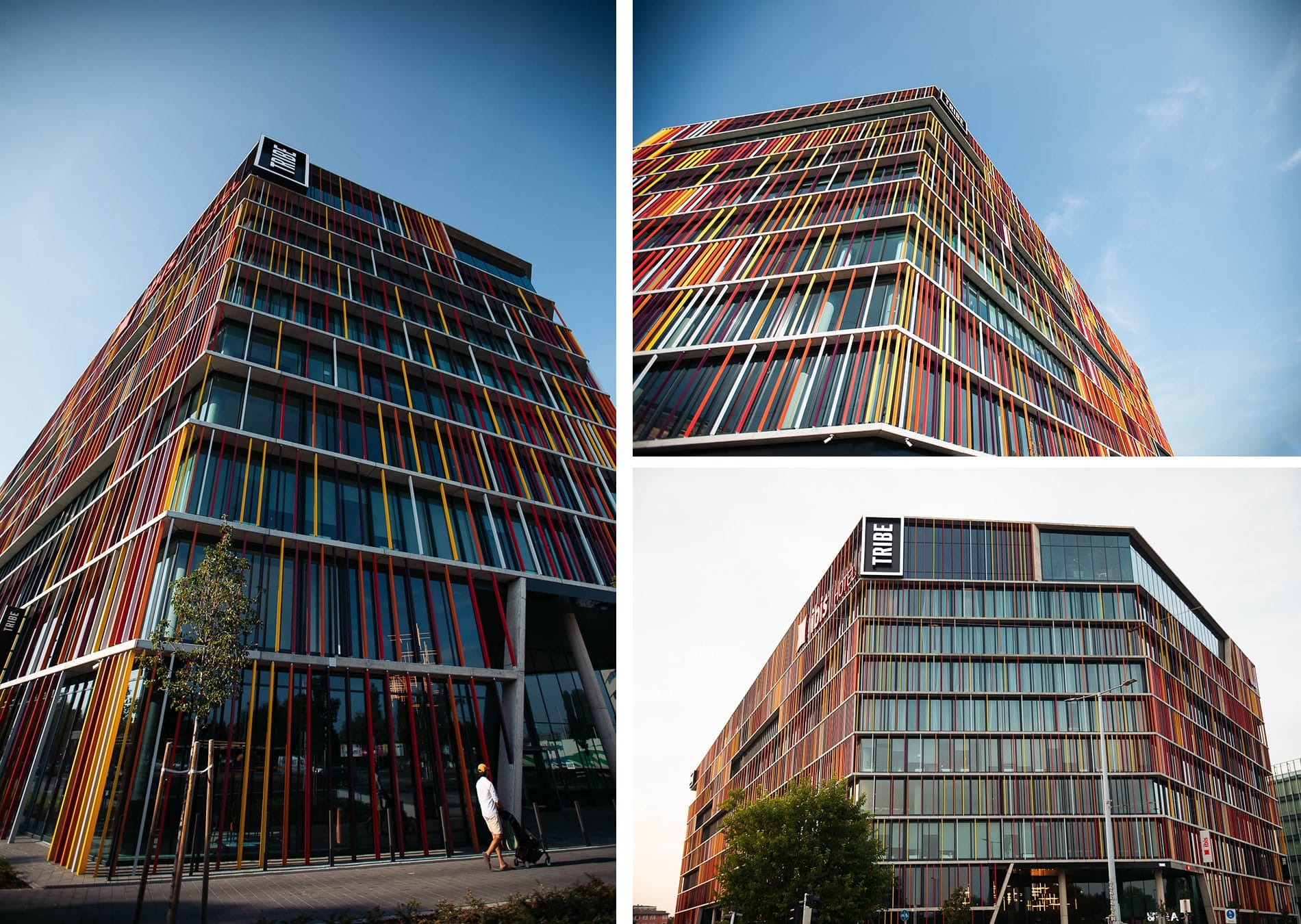
Tribe Budapest Stadium
Tribe Budapest Stadium, part of Accor, is located next to the HMVM Arena on the city’s east side. Although more remote, it’s well connected by metro and tram—20–25 minutes to the center.
The exterior is strikingly designed in multicolor, while the rooms feature an industrial style with black-and-white décor and large windows, giving a distinctive masculine character. Beds are a generous 180 cm, and the bathroom amenities are premium quality.
The ground-floor restaurant offers a continental evening menu—your only local option—and a generous breakfast buffet with savory items, fruits, dairy, cereals, and pastries. On the top floor, a rooftop bar/restaurant serves cocktails and snacks. The same building hosts ibis Budapest Stadium, sharing the restaurant facilities. ibis rooms are smaller and simpler, ideal for tighter budgets.
Both brands offer excellent value for money. The location is also closer to the airport, perfect for early departures.
➡️ I book my stay at Tribe Budapest Stadium
| WHERE TO EAT IN BUDAPEST: OUR TOP ADDRESSES
If you, too, enjoy finding trendy, unique, and must-visit spots for lunch, dinner, or coffee, here are some recommendations in Budapest:
-
Párisi Udvar
Near Ferenciek tere metro station, take a break at the Párisi Udvar café for their pastries and to enjoy the setting of this superb Hungarian Art Nouveau building. We even had classical musicians performing there in the late morning. It’s simply sublime!
-
Molnár’s Kürtőskalács
Don’t miss the chimney cakes—brioche dough wrapped around a spit and baked over coals—an Eastern European must-try. One of the best places is Molnár’s Kürtőskalács. There’s often a line, but it’s worth waiting for various flavors (sugar, poppy seeds, almonds, hazelnuts) and even ice cream toppings. You’ll be hooked after one taste.
-
Spago
Just off Ferenciek Square, dine at Spago in the Matild Palace—one of Budapest’s most beautiful hotels. Run by Austrian chef Wolfgang Puck, famous for his West Hollywood Spago since 1982, this restaurant combines elegance with internationally known dishes and local specialties. On the menu, you’ll find goulash soup, octopus, sushi, chicken paprikash, monkfish, and vegetarian options, plus desserts like Sachertorte, Kaiserschmarrn, and cheesecake. A pricier spot, but absolutely worth it.
-
First Strudel House in Budapest
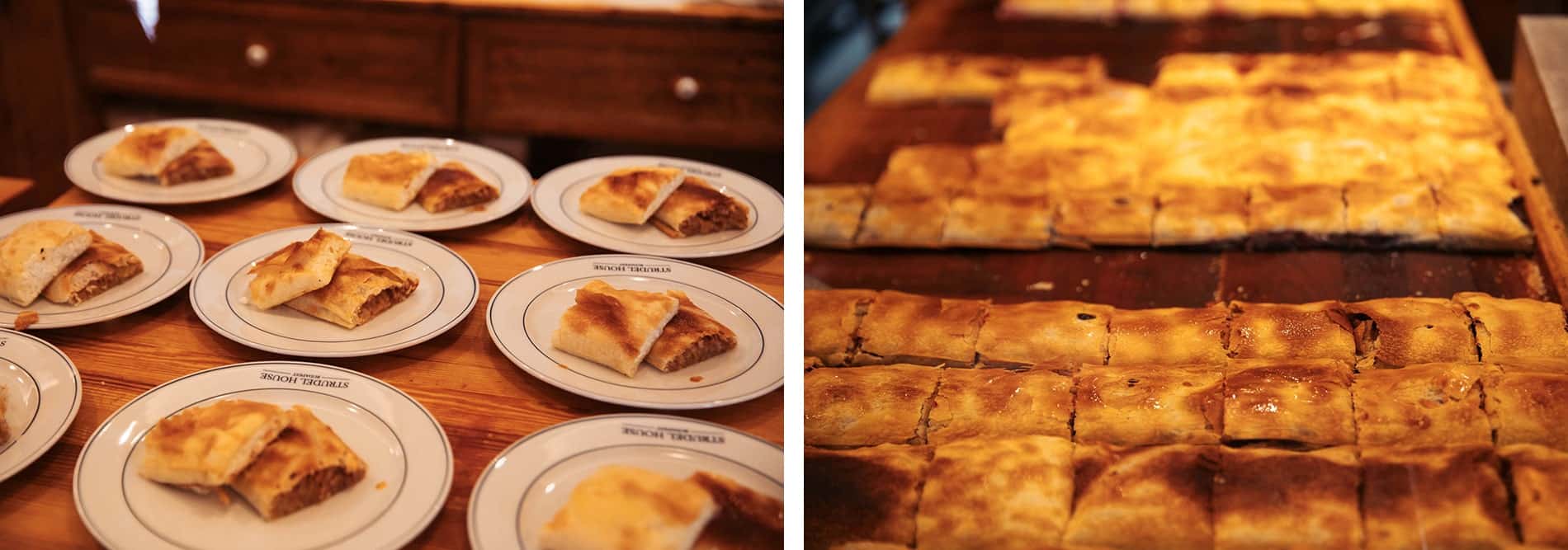
Near the Opera House, visit this café/pastry shop—Budapest’s strudel institution. Strudel comes in apple-cinnamon, cherry, plum, apricot, or walnut varieties. Watch the pastry chefs at work through the glass workshop and enjoy your strudel on-site or take it to go. A Budapest essential.
-
TwentySix Budapest
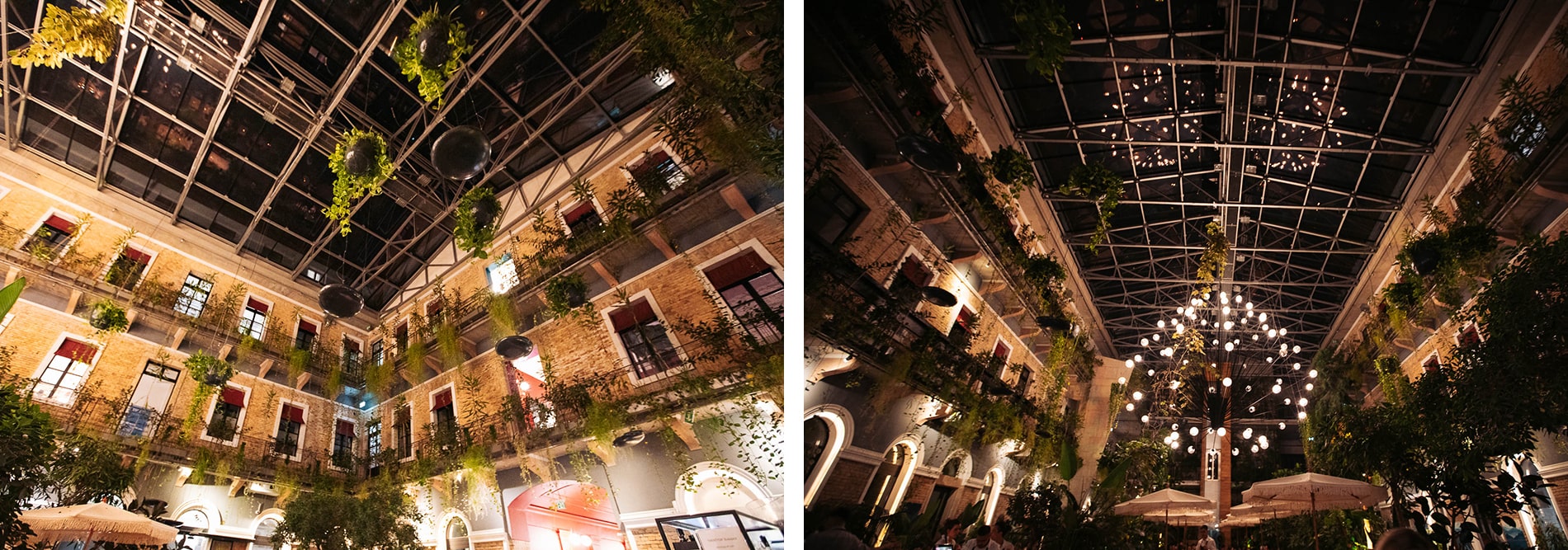
This trendy, unique restaurant in the Terézváros district sits under a large glass roof in a vast space resembling an urban jungle with over 30 plant species as decor partitions. A delightful atmosphere. The menu is simple but well-executed. Book ahead if you can; there’s a standby line for non-reservations.
-
Gundel
In City Park stands this historic state restaurant from communist times. It’s great for meals, afternoon tea, or drinks—renowned for cocktails by a mixologist and its specialty, palacsinta (crepes filled with walnuts). In summer, enjoy the large garden terrace.
-
Vakvarjú & Bohemtány
Facing each other in the Deák Ferenc quarter, these two restaurants serve Hungarian fare recommended by locals. We tried Vakvarjú and enjoyed hearty soups and meat dishes like ribs. The space is kid-friendly with a play area for toddlers, making dining more relaxed for parents.

- t
-
Dobrumba
In the Józsefváros district, this restaurant offers Mediterranean and Middle Eastern flavors—between Greek and Central Asian cuisines (Israel, Lebanon, Jordan). Authentic and different, right in the heart of the Jewish quarter.